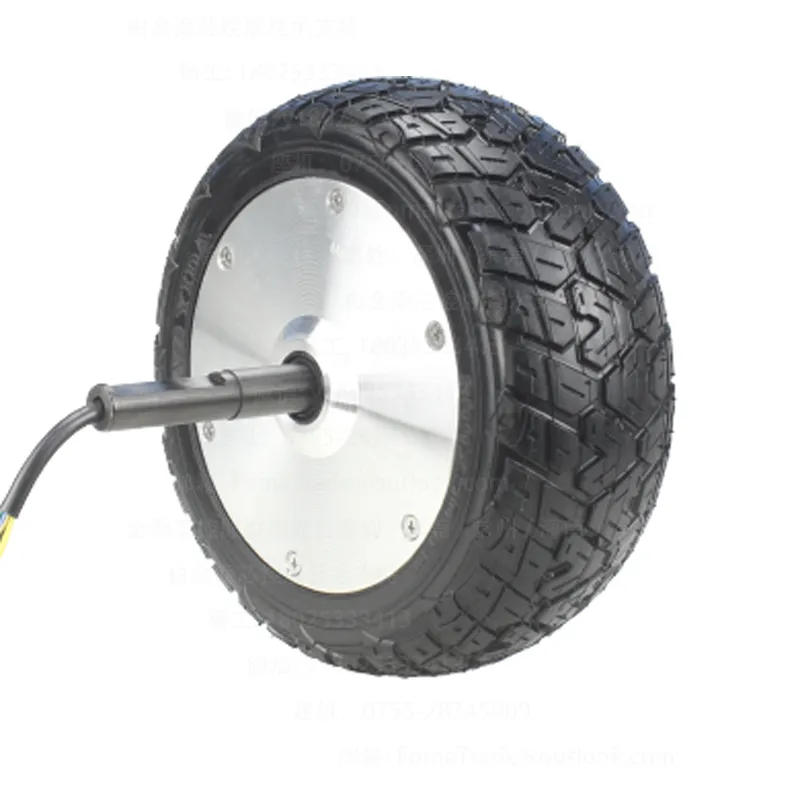
.png?x-oss-process=image/resize,h_100,m_lfit/format,webp)
.png?x-oss-process=image/resize,h_100,m_lfit/format,webp)
.png?x-oss-process=image/resize,h_100,m_lfit/format,webp)
Repeatable alignment
Press-fit consistency reduces subtle wobble and helps maintain stable tracking under braking and turn-in.

On rental tracks and training circuits, the same complaints surface repeatedly: sudden snap oversteer mid-corner, a rear end that “floats” on exit, and steering corrections that feel a half-beat late. Many teams instinctively chase setup changes—toe, camber, seat position—yet the root cause is frequently simpler: the tire and axle assembly isn’t working as a matched system.
A 10-inch high-wear tire + single-side press axle kit targets this mismatch from two directions at once: consistent contact patch behavior from the tire, and repeatable alignment/fit from the axle structure. The result is usually not “more aggressive,” but more predictable—the kind of stability that lowers lap-time variance and reduces maintenance churn in high-intensity operation.
Common symptoms linked to tire–axle mismatch: wandering under braking, inconsistent rear grip after 10–15 minutes of running, frequent chain tension drift, and tire wear that “feathers” on one side.
Tire size is often discussed as “bigger grips more,” but stability is usually about how the tire delivers grip over time and across temperature cycles. A 10-inch diameter paired with a 65 mm tread width is a practical sweet spot for adult and youth karts that need repeatability across long sessions.
When tread width is too narrow for the track’s load profile, the kart can feel twitchy: the tire saturates quickly and transitions from grip to slip with less warning. A 65 mm tread width tends to widen the usable grip window, which makes the steering “talk” earlier—especially in medium-speed corners where many drivers struggle with on/off traction.
| Parameter | Typical Value | Stability Impact |
|---|---|---|
| Tire diameter | 10 inch | Smoother breakaway, more forgiving over bumps and curbs |
| Tread width | 65 mm | Wider usable grip window; less “knife-edge” sliding |
| Axle length | 115 mm | Improves fit repeatability; reduces misalignment-induced wear |
Many stability complaints come down to micro-corrections: the driver keeps “catching” the kart because the tire response is inconsistent. A well-matched 10-inch tire with appropriate width typically reduces sidewall lag under quick transitions. That doesn’t make the kart slower—it makes the steering input-to-response relationship easier to learn and reproduce, particularly for youth drivers building repeatable habits.

Tires can only perform as well as the rotating assembly allows. If an axle interface has play, uneven seating, or inconsistent concentricity, the tire’s grip becomes “noisy”—the kart may feel stable in one corner and unpredictable in the next, even on the same lap.
A single-side press axle structure is designed to improve assembly repeatability and reduce tolerance stacking. In practical terms, it helps operators get the same fit every time—especially important for fleets where multiple technicians handle maintenance. When seating is consistent, the system tends to run truer, steering feedback becomes cleaner, and bearing stress becomes more predictable.
Press-fit consistency reduces subtle wobble and helps maintain stable tracking under braking and turn-in.
Better mating accuracy can reduce one-sided feathering and irregular wear patterns that force early replacement.
Designed for straightforward installation—often no drilling/modifying mounting holes when matched to the correct model spec.
For fleets, the benefit isn’t only lap time. It’s reduced downtime caused by “chasing a vibration” that actually comes from a small fit inconsistency that repeats across karts.
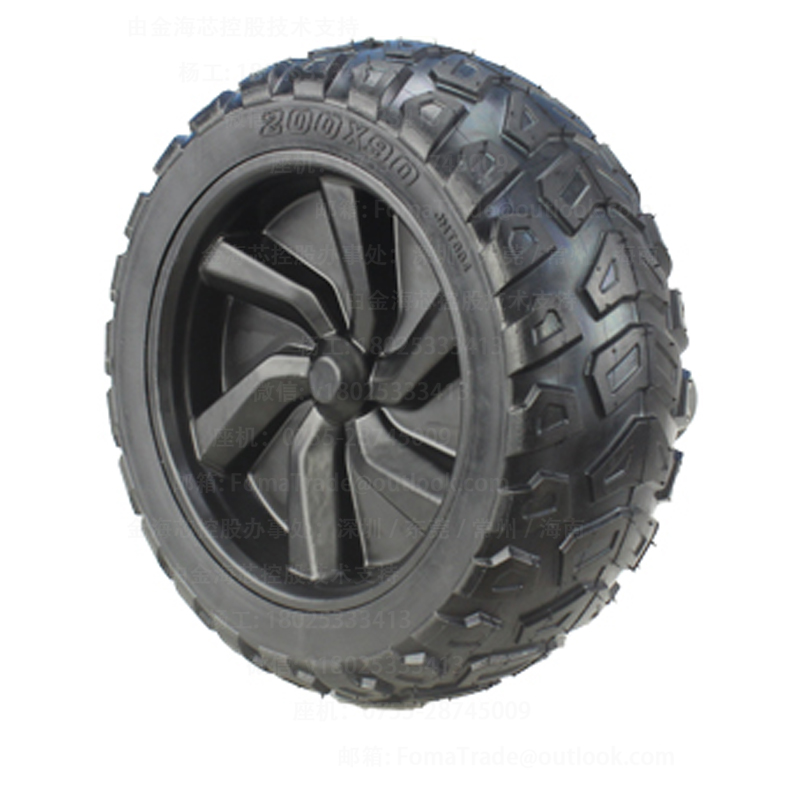
For track operators and training programs, a stable kart is one that stays stable after dozens of heat cycles—not just during a fresh set. That’s where high-wear compounds and controlled abrasion behavior matter.
In typical rubber abrasion evaluations, a high-wear kart tire compound may show an abrasion loss around 140–170 mm³ under DIN-style conditions (lower is generally better), while more grip-biased compounds can land closer to 190–240 mm³ depending on formulation and filler ratio. In controlled indoor track operation, many teams report high-wear tires reaching 30–45% longer service life than softer alternatives when the priority is stable handling over peak bite.
High-usage venues: In rental fleets, tires are asked to do everything—cold starts, repeated curb hits, varying driver skill. A high-wear 10-inch tire reduces the frequency of abrupt grip changes that happen when tread edges round off unevenly.
Youth training: For junior drivers, stable tires help build correct steering and throttle timing. When the tire wears predictably, coaches spend less time compensating for equipment behavior and more time correcting technique.
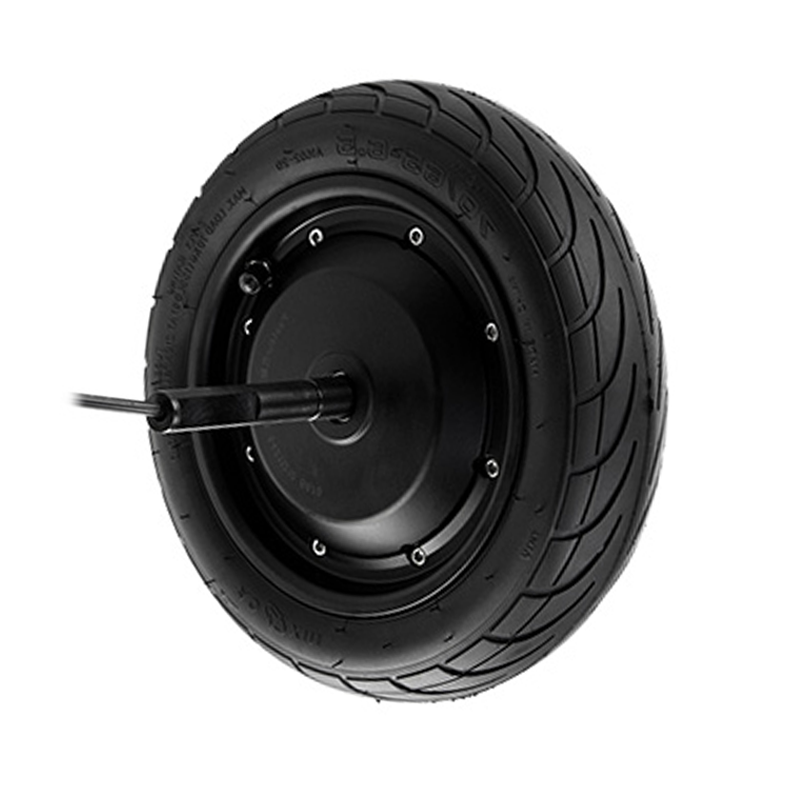
The hidden cost in kart operations isn’t only parts—it’s variability. Every time a kit requires improvisation (slotting holes, adding shims without a standard, forcing a fit), the fleet becomes harder to maintain as a system. A tire-and-axle set designed to install without modifying mounting holes—when the spec is correctly selected—reduces technician dependency and improves turnaround speed.
For B2B buyers, this kind of clarity speeds up internal approval: maintenance can evaluate installation time, operations can predict downtime, and procurement can standardize SKUs across locations.
In practice, “stable handling” for a single kart is nice. For a team, academy, or venue, stability means every kart behaves within a tight band. That’s where bulk purchasing and customization (compound preference, marking/labeling, packaging, and axle fit specification) turn into operational leverage: fewer exceptions, faster parts rotation, and a unified maintenance standard.
This is why a matched 10-inch high-wear tire + single-side press axle kit is often described as an efficient solution for teams and track venues—not because it promises miracles, but because it reduces variance across real-world use.
Send your kart model, axle interface photos, and usage scenario (rental / training / racing). The guide focuses on fit accuracy, wear targets, and fleet standardization—built for fast evaluation and batch procurement.
Suitable for fleet/venue purchasing and standardized maintenance workflows.
 363
|
363
|
 Go - kart motor matching
Short - shaft brake structure
Disc brake performance optimization
Cornering braking stability
Competitive go - kart modification
35
|
kart brake disc specifications
8-inch brake disc installation guide
kart disc brake system selection
kart brake maintenance
professional kart brake analysis
223
|
Karting brake disc specifications
8-inch brake disc installation
Kart disc brake system selection
Single-sided clamping axle kart brake
Kart brake maintenance methods
265
|
wheel hub motor maintenance
motor bearing wear prevention
long shaft motor installation
single side press fit design
electric vehicle motor reliability
441
|
Kart brake system
Electric motor braking efficiency
Disc brake design
Short - shaft brake disc
Driving stability
Go - kart motor matching
Short - shaft brake structure
Disc brake performance optimization
Cornering braking stability
Competitive go - kart modification
35
|
kart brake disc specifications
8-inch brake disc installation guide
kart disc brake system selection
kart brake maintenance
professional kart brake analysis
223
|
Karting brake disc specifications
8-inch brake disc installation
Kart disc brake system selection
Single-sided clamping axle kart brake
Kart brake maintenance methods
265
|
wheel hub motor maintenance
motor bearing wear prevention
long shaft motor installation
single side press fit design
electric vehicle motor reliability
441
|
Kart brake system
Electric motor braking efficiency
Disc brake design
Short - shaft brake disc
Driving stability