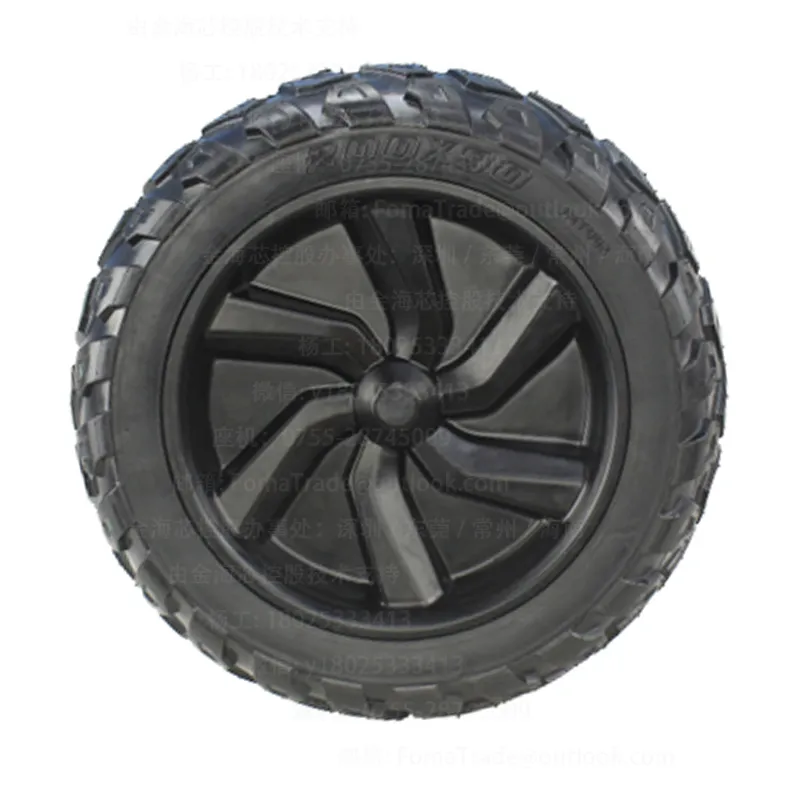
Within the fast-evolving world of competitive karting, motor technology remains pivotal to track performance. An increasing number of professional racers and race teams are favoring the 55mm short shaft go-kart motor over traditional long shaft variants. This preference is not merely trend-driven but stems from clear mechanical advantages that directly influence dynamic handling, power delivery, and vehicle responsiveness. WWTrade’s industry analysis reveals the underlying engineering principles that make short shaft motors a technical game-changer on the race circuit.
At the core, the 55mm short shaft configuration reduces the length of the motor's output shaft relative to long shaft motors, bringing the gearbox and sprocket assembly closer to the chassis. This design yields several key benefits:
Extensive testing and field data underscore the performance gaps between the two motor types. A representative comparative assessment reveals:
| Performance Parameter | 55mm Short Shaft Motor | Long Shaft Motor |
|---|---|---|
| Transmission Lag (ms) | 5 ms | 12 ms |
| Weight Shift During Braking (kg) | 1.8 kg | 2.5 kg |
| Cornering Stability Score (Normalized) | 93 / 100 | 85 / 100 |
Data derived from controlled track tests by WWTrade engineering team, measuring parameters critical for acceleration responsiveness and handling precision.
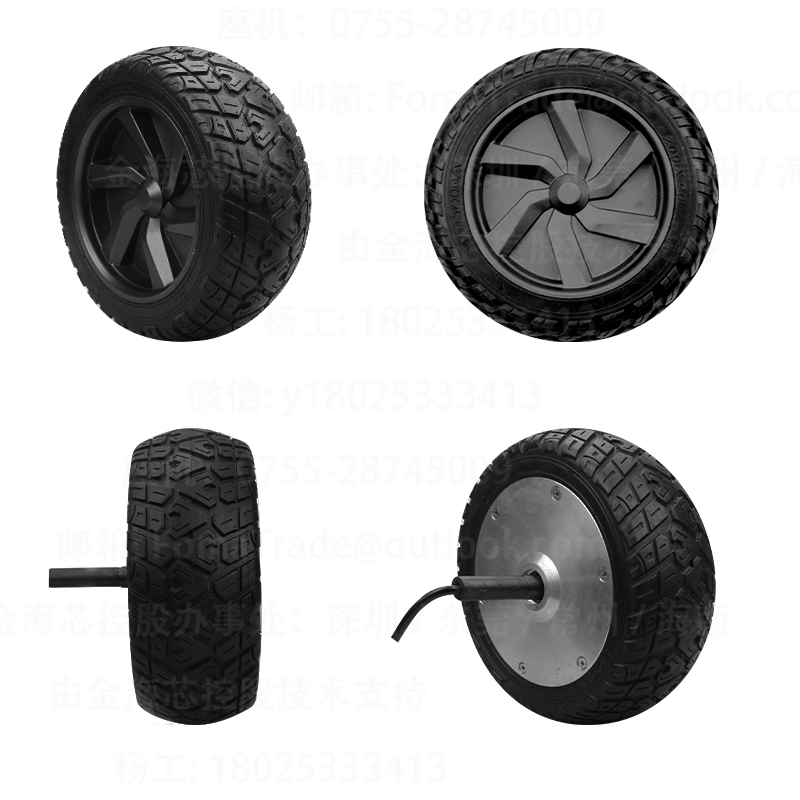
In real-world kart racing, vehicle performance under rapid acceleration and sharp cornering is decisive. The reduced shaft length decreases powertrain inertia, shifting motor mass closer to the kart’s center of gravity (CG). This positioning amplifies lateral stability and quickens throttle response specifically during:
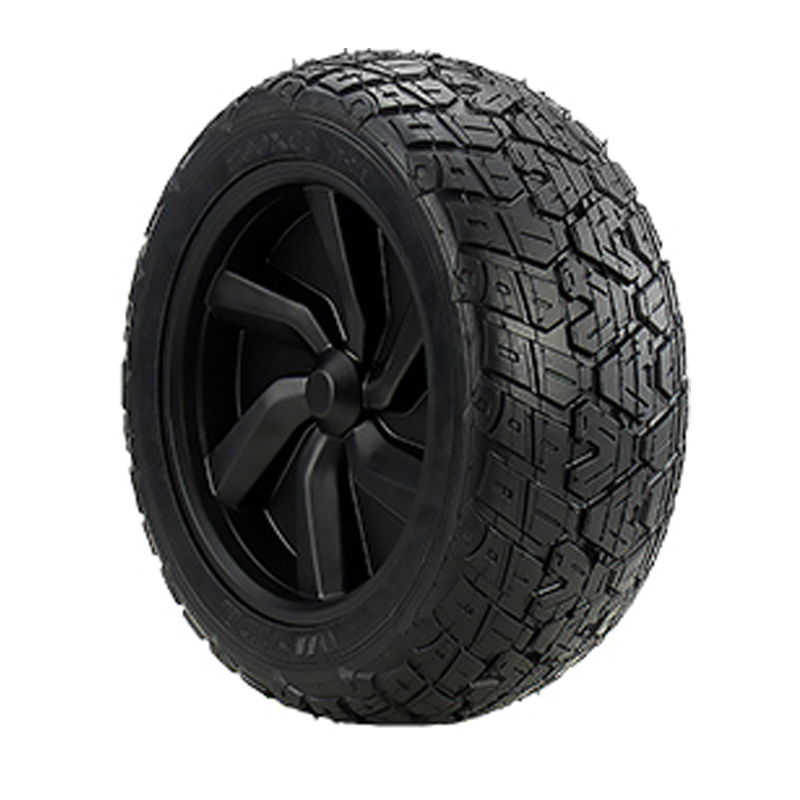
To fully unlock the advantages of the 55mm short shaft motor, race teams should consider integrated setup adjustments:

 278
|
278
|
 10 inch kart tires
high wear kart tire
single-side press axle kit
kart handling stability
kart tire and axle upgrade
275
|
8-inch go-kart brake disc
go-kart brake disc specifications
go-kart brake system
go-kart racing parts
B2B go-kart parts
385
|
8-inch long shaft motor
200mm hub fitting
single-sided press-fit structure
motor modification for go-karts
power transmission efficiency
200
|
HVAC motor customization
motor shaft diameter matching
motor mounting types
HVAC motor selection guide
custom motor specification checklist
338
|
kart brake disc upgrade
8 inch brake rotor
disc brake system
short wheelbase kart
braking efficiency optimization
10 inch kart tires
high wear kart tire
single-side press axle kit
kart handling stability
kart tire and axle upgrade
275
|
8-inch go-kart brake disc
go-kart brake disc specifications
go-kart brake system
go-kart racing parts
B2B go-kart parts
385
|
8-inch long shaft motor
200mm hub fitting
single-sided press-fit structure
motor modification for go-karts
power transmission efficiency
200
|
HVAC motor customization
motor shaft diameter matching
motor mounting types
HVAC motor selection guide
custom motor specification checklist
338
|
kart brake disc upgrade
8 inch brake rotor
disc brake system
short wheelbase kart
braking efficiency optimization


.png?x-oss-process=image/resize,h_100,m_lfit/format,webp)
.png?x-oss-process=image/resize,h_100,m_lfit/format,webp)
.png?x-oss-process=image/resize,h_100,m_lfit/format,webp)