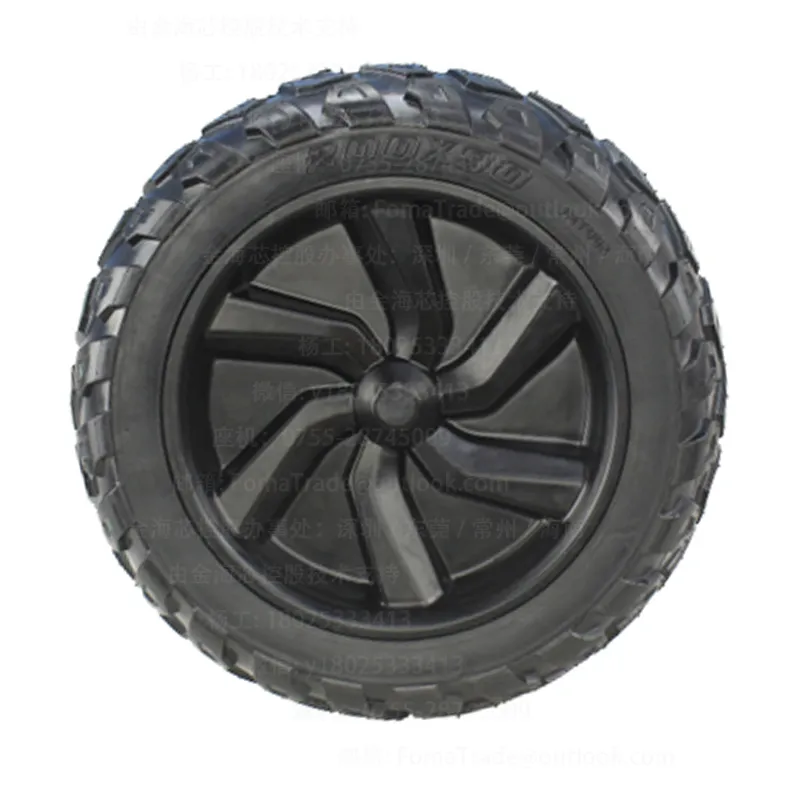
In the high-stakes arena of competitive go-kart racing, performance marginal gains can define the difference between podium finishes and obscurity. Increasingly, professional racers and teams are selecting the 55mm short shaft motor, such as the WINAMICS motor, for their karts. This article delves into the mechanical engineering advantages of the 55mm short shaft configuration, elucidating how it optimizes overall kart weight distribution, enhances braking response, and improves power transmission efficiency compared to conventional long shaft designs.
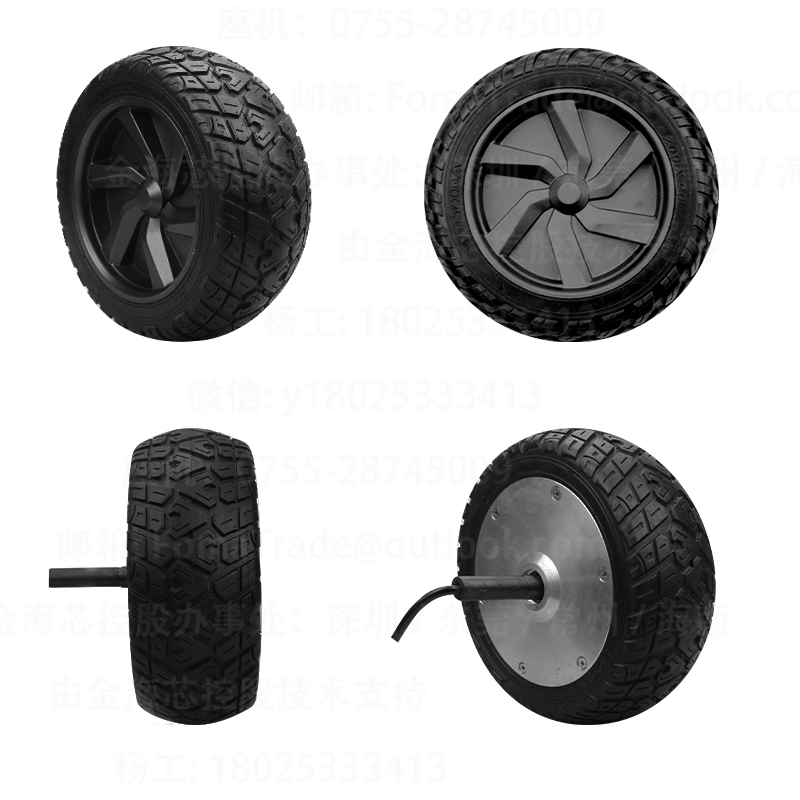
The 55mm short shaft motor features a compact output shaft length, enabling more centralized placement of the motor within the kart chassis. This consolidation reduces the moment arm effect and allows teams to shift mass closer to the kart’s centerline. Engineering tests indicate that re-centering heavy components can reduce lateral weight transfer by up to 12% during cornering, substantially enhancing tire grip and stability. The shorter shaft also supports a lower vertical profile, helping to maintain a more balanced center of gravity critical for rapid directional changes.
Braking response is another key aspect where the short shaft design excels. Bench testing across representative go-kart configurations shows that 55mm short shaft motors can shorten brake signal-to-wheel response time by approximately 8–10 milliseconds compared to long shaft motors. This tangible improvement allows drivers to execute more precise deceleration in tight corners and during emergency stops. Simultaneously, the compact shaft reduces torsional flex during high torque loads, retaining power delivery efficiency—which translates to quicker acceleration off slow corners and better throttle modulation.

Comparative track data collected during competitive events reveal measurable benefits of short shaft motors in performance-critical scenarios. During sequences of continuous tight corners at speeds averaging 60 km/h, karts equipped with 55mm short shaft motors exhibited 4–6% faster lap times, largely due to improved responsiveness in steering and power delivery. Long shaft configurations tend to experience increased drivetrain losses—estimated between 3-5% higher under sudden throttle changes—driven primarily by increased shaft deflection and bearing loads. These inefficiencies manifest as slight but cumulative power deficits especially noticeable during back-to-back acceleration zones.
Fine-tuning the kart’s mechanical settings around the short shaft motor can maximize the competitive edge. Key adjustments include:
Engineers involved in field testing have documented lap time improvements up to 5% after implementing an integrated approach combining the 55mm short shaft motor with these tailored chassis adjustments.

 468
|
468
|
 kart motor torque matching
brake response speed
disc brake design
short axle kart setup
kart performance optimization
232
|
kart brake system
brake force distribution
disc brake advantages
kart racing stability
short wheelbase kart
200
|
HVAC motor customization
motor shaft diameter matching
motor mounting types
HVAC motor selection guide
custom motor specification checklist
329
|
8-inch long shaft motor
200mm hub compatibility
single-sided shaft structure
power transmission efficiency
small go-kart motor
140
|
84mm tire width
small go-kart tires
electric scooter tire width
tire performance analysis
motor torque characteristics
kart motor torque matching
brake response speed
disc brake design
short axle kart setup
kart performance optimization
232
|
kart brake system
brake force distribution
disc brake advantages
kart racing stability
short wheelbase kart
200
|
HVAC motor customization
motor shaft diameter matching
motor mounting types
HVAC motor selection guide
custom motor specification checklist
329
|
8-inch long shaft motor
200mm hub compatibility
single-sided shaft structure
power transmission efficiency
small go-kart motor
140
|
84mm tire width
small go-kart tires
electric scooter tire width
tire performance analysis
motor torque characteristics




.png?x-oss-process=image/resize,h_100,m_lfit/format,webp)
.png?x-oss-process=image/resize,h_100,m_lfit/format,webp)
.png?x-oss-process=image/resize,h_100,m_lfit/format,webp)