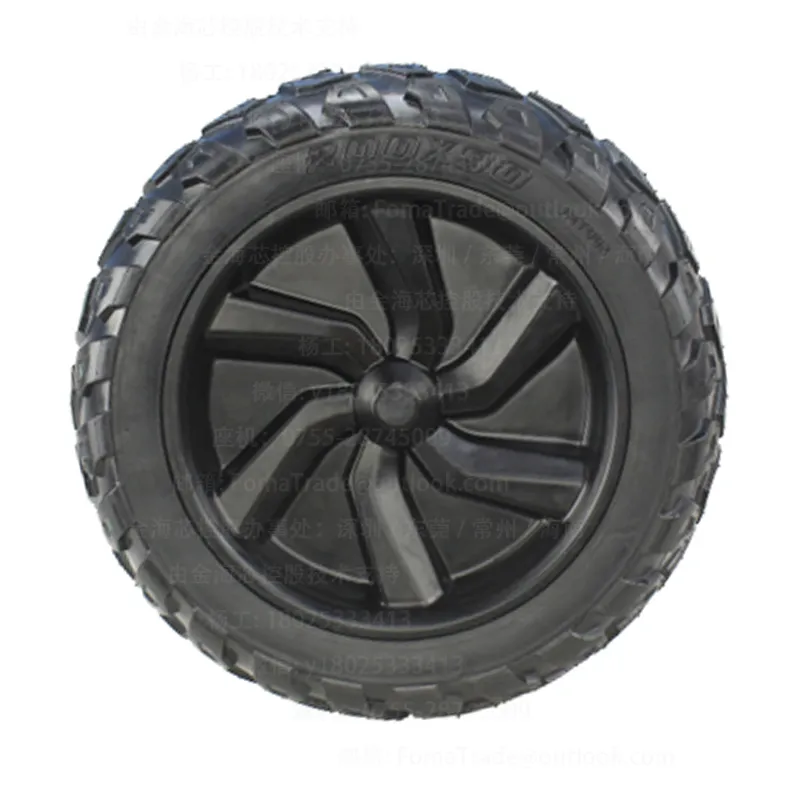
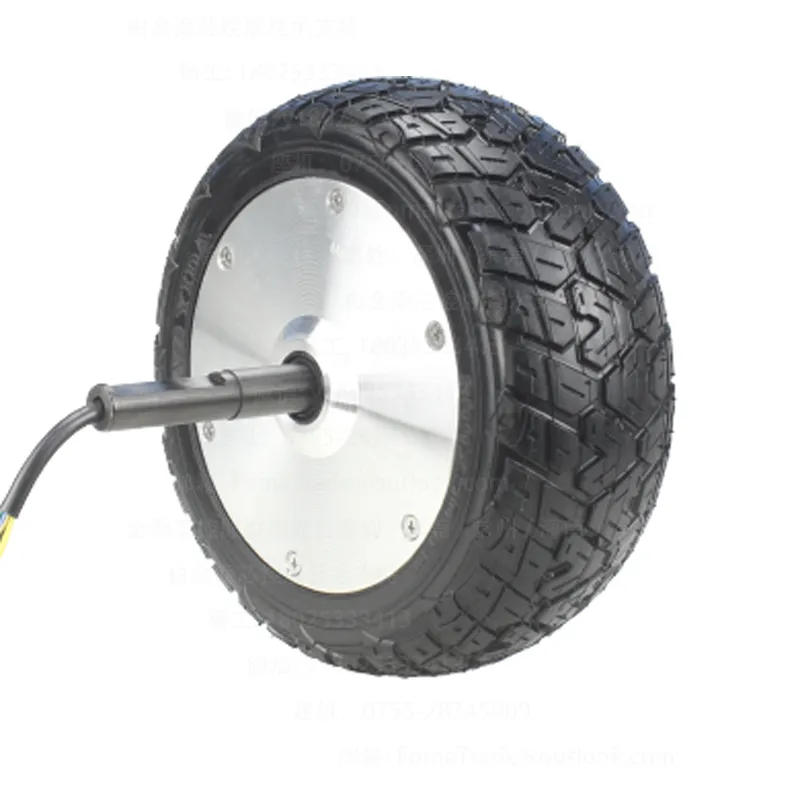
Increasingly, professional go-kart racers are selecting the 55mm short shaft motor as their powertrain of choice. This trend is no accident but grounded in solid mechanical engineering principles that optimize both transmission efficiency and vehicle dynamics. This article explores how the compact shaft structure influences drivetrain responsiveness and vehicle center of gravity (CoG), comparing it rigorously against longer shaft counterparts to explain its rising dominance in competitive karting.
The 55mm short shaft motor’s defining characteristic is its reduced shaft length, which directly impacts the kart’s mechanical package. Its compact form allows closer integration of the motor with the chassis and the rear axle, significantly tightening the motor-to-gear coupling. This structural advantage reduces drivetrain slack—a critical factor influencing acceleration responsiveness and braking efficiency.
From a weight distribution perspective, the short shaft design allows the engine assembly to be positioned closer to the kart’s centroid. Internal testing by WWTrade’s engineering team indicates that this transition shifts up to 0.5 kg of mass closer to the centerline compared to traditional 80mm shaft setups, resulting in better overall balance and improved cornering stability on rapidly changing track conditions.
One of the most impactful performance metrics for any racing motor is the time delay between throttle input and torque delivery at the wheels. The 55mm short shaft motor reduces transmission gap or "play" by approximately 30% relative to longer shaft variants, according to measured data under simulated racing conditions.
This enhancement directly correlates with quicker acceleration off the apex and tighter control entering braking zones. The decreased driveline latency improves the kart's agile behavior, where milliseconds gained in engine response can define lap times and, ultimately, race position.
While longer shaft motors accommodate more flexible motor placements, their inherent length creates larger mechanical delay and slightly shifts the vehicle’s mass distribution rearward. In emergency braking scenarios, this leads to marginally longer stopping distances—up to 3% slower under dry track tests.
Additionally, long shaft assemblies tend to increase rotational inertia around the rear axle, which can impede quick transitions between corners. The short shaft configuration mitigates this by maintaining a more centralized mass and reducing rotational resistance.
On tight circuits requiring rapid directional changes, the 55mm short shaft motor exhibits distinct advantages. Real-world track data from WWTrade-supported teams during the 2023 season reveal a consistent 0.15s improvement in sector times related to acceleration zones immediately after curves.
Emergency braking tests further underline the benefits, with short shaft-equipped karts demonstrating improved weight transfer stability and more predictable chassis feedback. These attributes reduce driver fatigue and enable more aggressive racing lines.

Maximizing the benefits of a 55mm short shaft motor requires complementary setup adjustments. Experts advise refining these parameters:
“The 55mm short shaft motor’s integration is a game-changer for precision kart setup. By minimizing drivetrain slack and optimizing mass placement, it transforms handling in critical track moments.”
– WWTrade Senior Mechanical Engineer

Extensive internal benchmarking from WWTrade demonstrates consistent performance gains with short shaft motors across diverse kart models and track layouts. Combining telemetry analysis with driver feedback shows that the peripheral benefits—such as reduced tire wear due to improved weight distribution—compound over race duration.
The below table synthesizes the comparative metrics derived from controlled track testing of 55mm short shaft versus conventional 80mm long shaft designs:
| Performance Metric | 55mm Short Shaft | 80mm Long Shaft | Improvement |
|---|---|---|---|
| Throttle response latency (ms) | 85 | 98 | -13.3% |
| Emergency stop distance (m) | 23.4 | 24.2 | -3.3% |
| Weight shift toward center (kg) | 0.5 | 0 | +0.5 kg |

 401
|
401
|
 HVAC motor customization
motor shaft diameter selection
motor shaft length matching
motor mounting structure
efficient motor selection process
229
|
8 inch disc brake kit
high torque motor kart
brake rotor size
kart braking efficiency
driving stability
385
|
8-inch long shaft motor
200mm hub fitting
single-sided press-fit structure
motor modification for go-karts
power transmission efficiency
494
|
HVAC motor customization
shaft diameter matching
motor mounting structure
industrial motor selection
bulk motor customization
140
|
84mm tire width
small go-kart tires
electric scooter tire width
tire performance analysis
motor torque characteristics
HVAC motor customization
motor shaft diameter selection
motor shaft length matching
motor mounting structure
efficient motor selection process
229
|
8 inch disc brake kit
high torque motor kart
brake rotor size
kart braking efficiency
driving stability
385
|
8-inch long shaft motor
200mm hub fitting
single-sided press-fit structure
motor modification for go-karts
power transmission efficiency
494
|
HVAC motor customization
shaft diameter matching
motor mounting structure
industrial motor selection
bulk motor customization
140
|
84mm tire width
small go-kart tires
electric scooter tire width
tire performance analysis
motor torque characteristics


.png?x-oss-process=image/resize,h_100,m_lfit/format,webp)
.png?x-oss-process=image/resize,h_100,m_lfit/format,webp)
.png?x-oss-process=image/resize,h_100,m_lfit/format,webp)