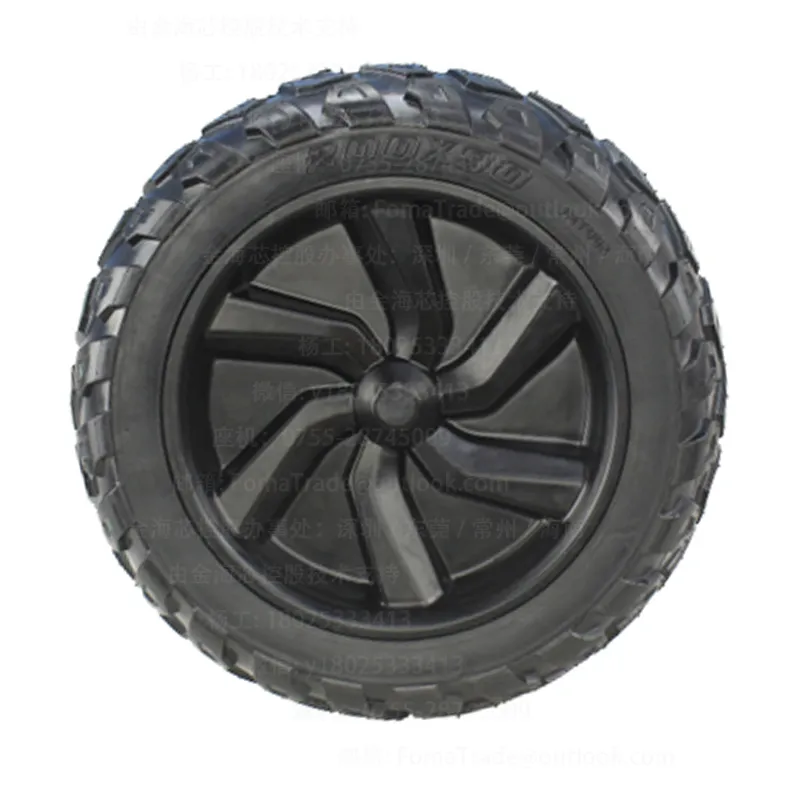
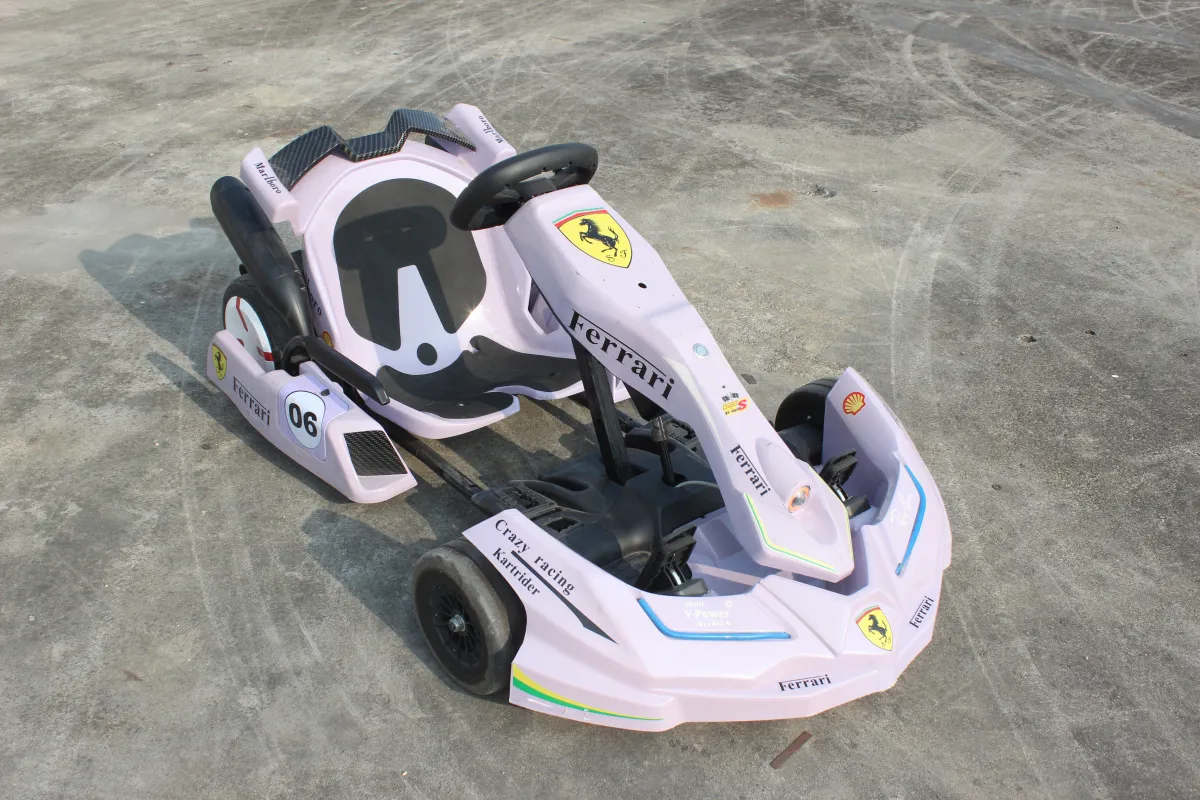
In the competitive arena of professional go-kart racing, every component's performance can mean the difference between victory and defeat. Among these, the brake disc stands out as a critical factor for ensuring optimal control, safety, and performance on the track. This article delves deeply into why the 8-inch (213mm) brake disc has become the preferred choice for professional karting events, exploring its technical specs, design advantages, and maintenance essentials to empower racers, mechanics, and support teams in making informed decisions.
The 8-inch diameter, approximately 213mm, balances braking power and thermal management efficiently, making it ideal for the high-speed, stop-and-go demands of competitive kart racing. The disc’s diameter correlates directly with its surface area, affecting heat dissipation and braking torque. At 8 inches, it offers a robust contact patch without adding excessive rotating mass, preserving handling responsiveness.
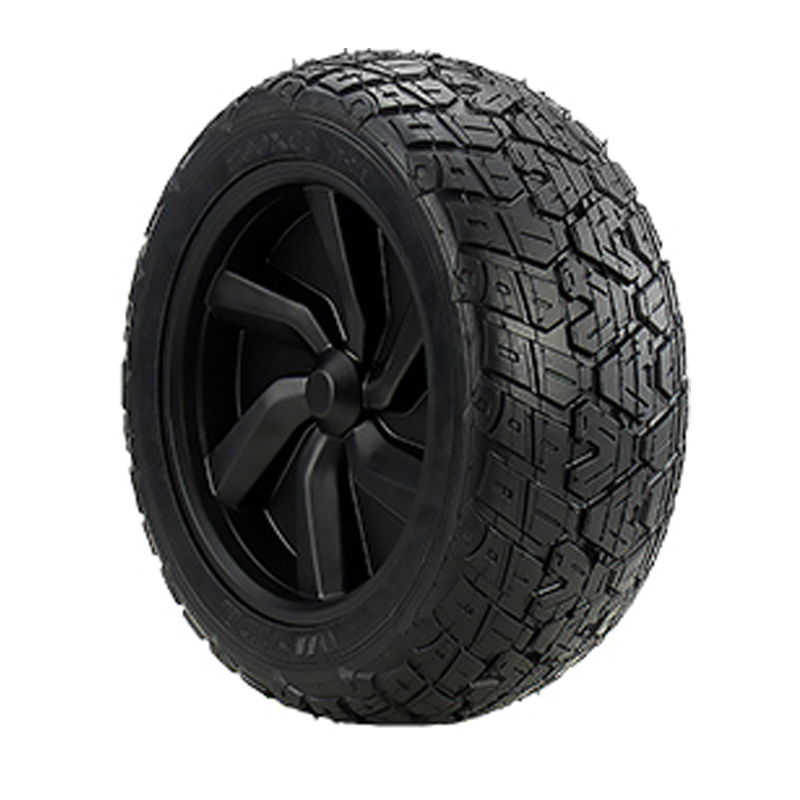
Furthermore, the paired tire width of 83mm complements this specification by ensuring stable grip and balanced heat distribution. This synergy between the brake disc size and tire width is critical in preventing brake fade—a common issue in prolonged races—thereby delivering consistent performance lap after lap.
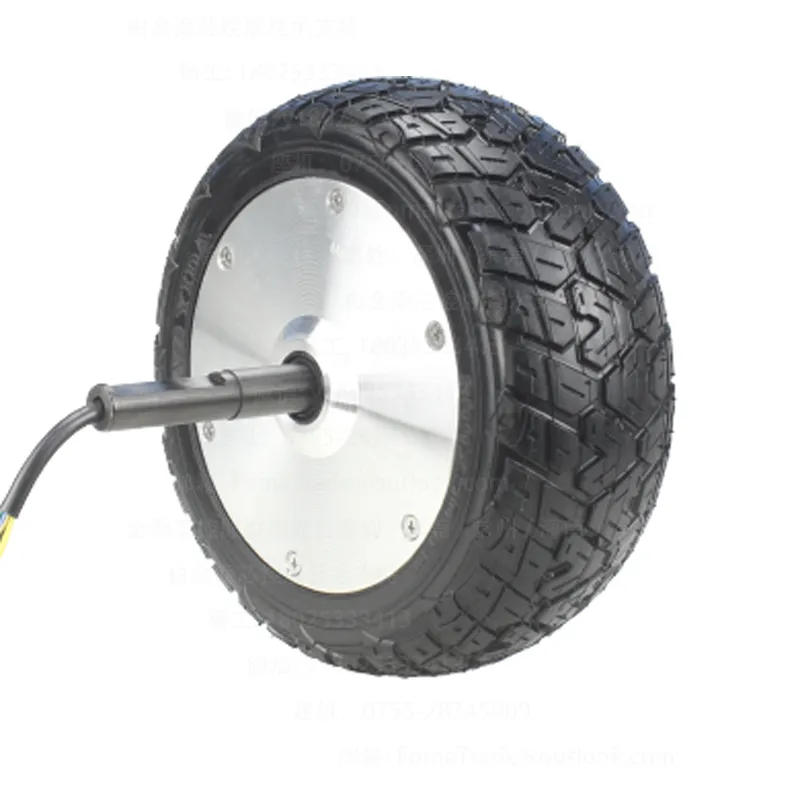
A standout technical feature of this brake disc model is its single-sided clamping axle configuration. Unlike traditional double-sided mounts, this design enables quicker installation and removal without compromising stability. For pit crews and technicians, this translates to reduced downtime during tire or brake swaps, an invaluable advantage during tight race schedules.
Additionally, the clamping mechanism evenly distributes forces, reducing stress concentrations that may otherwise cause premature material fatigue. Combined with high-grade steel alloys used in manufacturing, these discs deliver high durability under racing conditions.
Proper installation and routine maintenance are essential to maximize the brake disc’s lifespan and performance reliability. The process begins with verifying the compatibility of the disc with the kart’s hub and axle dimensions, particularly the 83mm tire configuration.
Technicians should:
Maintenance intervals typically suggest inspection every 20-30 race hours or sooner under aggressive driving conditions. Key indicators for brake disc replacement include visible scoring, warping, or a reduction in thickness beneath manufacturer minimums (usually around 4 mm for these discs). Referencing a digital thickness gauge can ensure precise measurement.
To assist racers and mechanics in optimizing their braking setup, several frequently asked questions arise around brake pad selection and performance tuning.
Semi-metallic pads are highly recommended for professional settings due to their excellent heat resistance and friction consistency. Organic pads may offer quieter operation but tend to wear faster and fade under extreme conditions.
Ensure adequate airflow to the brake discs by fitting aero ducts or vents where possible. Additionally, regular cleaning of the disc surface to remove dust and residue prevents glaze formation which degrades braking efficiency.
Besides thickness wear limits, excessive run-out (disc wobble), cracking, or persistent vibration during braking are clear signs to replace the disc promptly for safety and performance retention.

The integration of 8-inch brake discs with an 83mm tire width and the innovative clamping axle design exemplify a technical evolution aimed at enhancing on-track handling precision and off-track maintenance efficiency. Racing teams benefit from:
These advantages culminate in safer, faster races with refined control that competitive kart drivers and their technical crews can rely upon.

Ready to elevate your kart's braking performance with precision-engineered 8-inch brake discs? Discover the perfect match for your racing needs and experience superior control and reliability.
Explore Professional Go-Kart Brake Discs Now 273
|
273
|
 Hub motor maintenance
Motor fault solutions
Unilateral pressure shaft design
Motor structure optimization
Hub motor failure rate
232
|
kart brake system
brake force distribution
disc brake advantages
kart racing stability
short wheelbase kart
229
|
8 inch disc brake kit
high torque motor kart
brake rotor size
kart braking efficiency
driving stability
178
|
Kart brake disc selection
Motor - brake matching
Competitive kart modification
Short - axle structure advantages
Disc brake performance optimization
440
|
go-kart single-side press-fit
electric go-kart drive shafts
custom axle assemblies
go-kart bearing layouts
go-kart maintenance tips
Hub motor maintenance
Motor fault solutions
Unilateral pressure shaft design
Motor structure optimization
Hub motor failure rate
232
|
kart brake system
brake force distribution
disc brake advantages
kart racing stability
short wheelbase kart
229
|
8 inch disc brake kit
high torque motor kart
brake rotor size
kart braking efficiency
driving stability
178
|
Kart brake disc selection
Motor - brake matching
Competitive kart modification
Short - axle structure advantages
Disc brake performance optimization
440
|
go-kart single-side press-fit
electric go-kart drive shafts
custom axle assemblies
go-kart bearing layouts
go-kart maintenance tips





.png?x-oss-process=image/resize,h_100,m_lfit/format,webp)
.png?x-oss-process=image/resize,h_100,m_lfit/format,webp)
.png?x-oss-process=image/resize,h_100,m_lfit/format,webp)