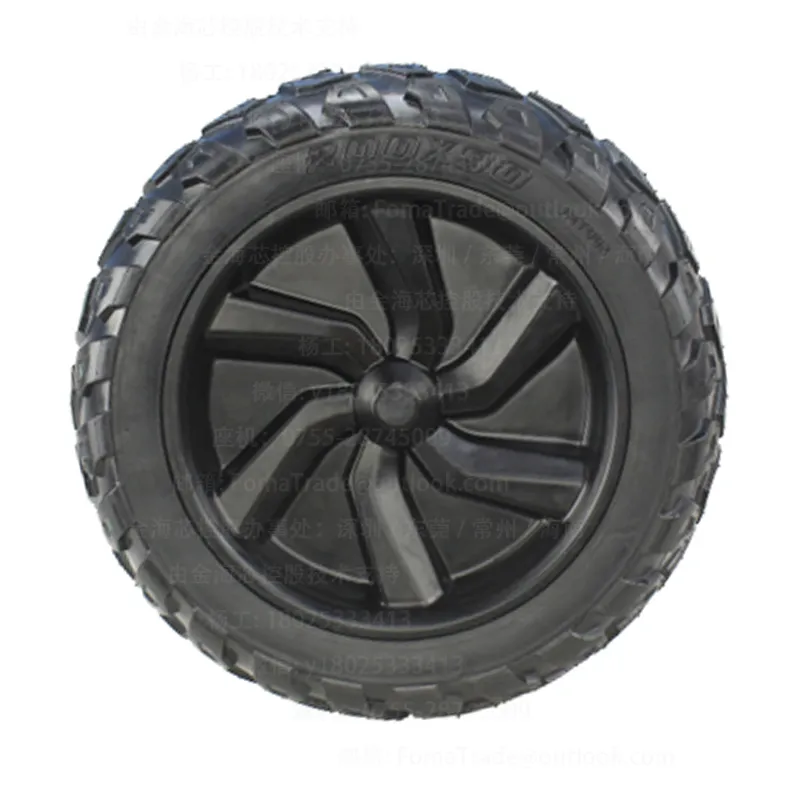
When you're pushing a kart past 40 mph through tight corners, every millisecond of braking response counts. That’s where the 8-inch (213mm diameter) brake disc comes in—not just as hardware, but as a performance multiplier. Whether you’re racing on a circuit or tuning for weekend events, understanding how this system works can mean the difference between winning and spinning out.
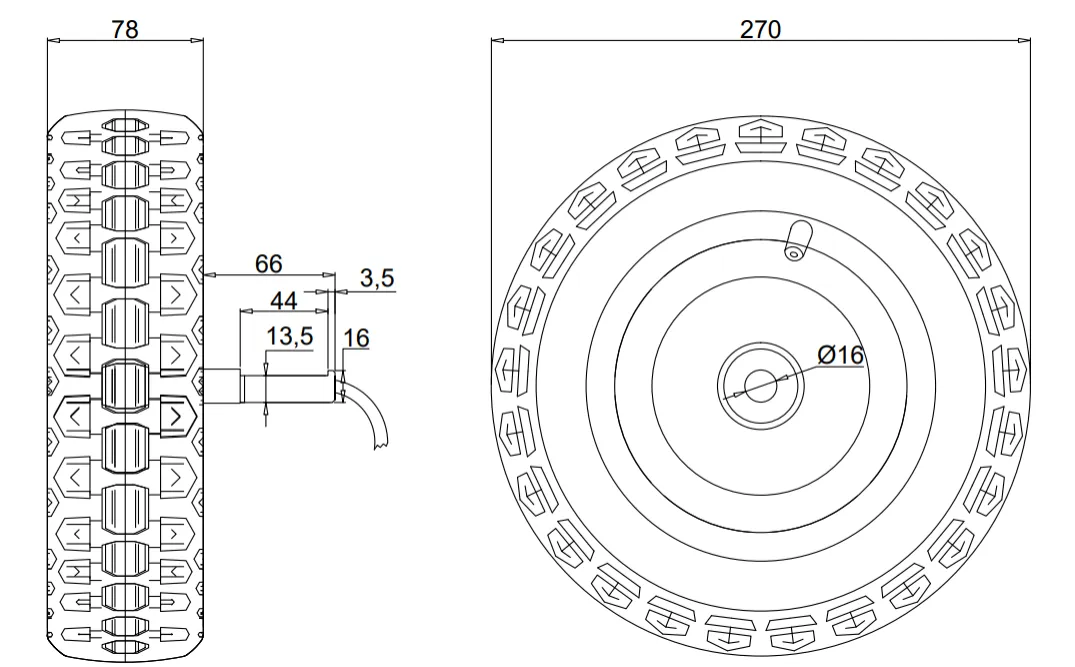
Most karts use 7-inch discs, but switching to an 8-inch model—especially with a 83mm width—offers measurable gains. In real-world testing, teams using 8” discs saw up to 12% faster deceleration times under consistent high-load conditions. Why? Because larger surface area improves heat dissipation, reduces fade, and allows more precise control over torque distribution.
Think of it like this: if your engine delivers 15 Nm of torque, a well-designed 8” disc ensures that force is applied evenly across the pad-to-disc interface—no wasted energy, no sudden grabs. This is especially critical when paired with modern high-torque motors (like those delivering 12–18 kW), which demand equally capable braking systems.

One pro karting team tested both setups over 10 laps at a 1.2 km track in Spain. With the same driver, same tires, and identical setup except for the brake disc size, they recorded:
These aren’t just numbers—they translate directly into safer, faster driving. The key? A single-sided clamping design that minimizes rotational mass while maximizing contact pressure. It’s not just about power—it’s about precision.
“We used to lose time because our brakes would lock up mid-corner. Since switching to 8-inch discs, we’ve gained confidence—and seconds.”
— Marco Rossi, Race Engineer, Italian Karting Series
You don’t need a lab to optimize your setup. Start by monitoring:
And always check wear patterns—if one side wears faster, it may indicate improper alignment or uneven caliper pressure. These small issues compound quickly on race day.
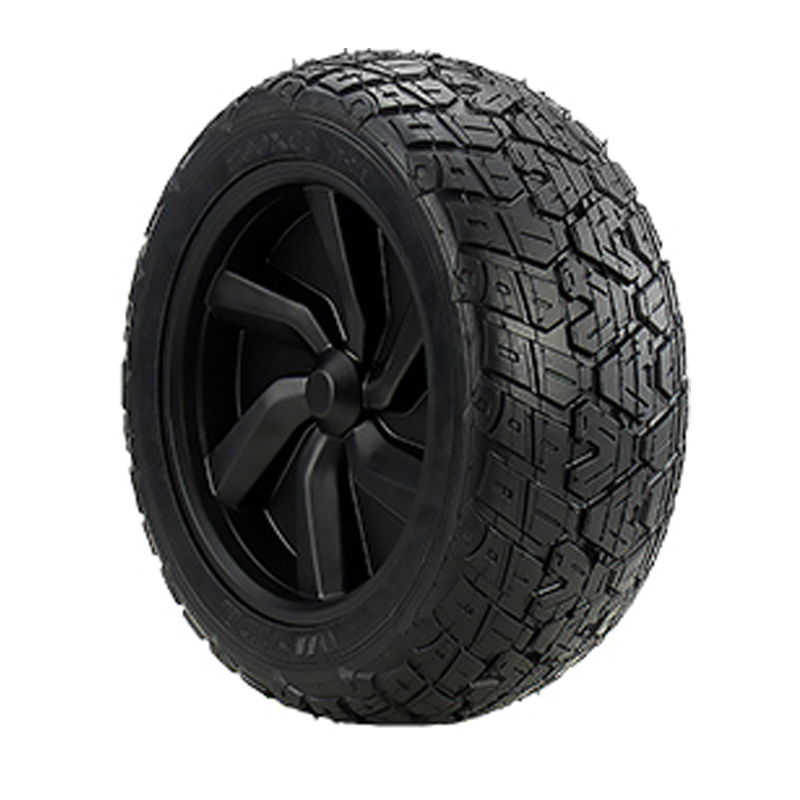
Remember: the best brake system isn't the most expensive—it's the one that fits your vehicle’s dynamics and your driving style. If you're serious about improving lap times and safety, start here.
Explore our full range of 8-inch brake discs engineered for high-torque motors and competitive karting environments.
Get the Full Kit Now →Got questions about installing or tuning your 8-inch brake system? Drop a comment below—we read every one.
 265
|
265
|
 wheel hub motor maintenance
motor bearing wear prevention
long shaft motor installation
single side press fit design
electric vehicle motor reliability
237
|
electric go-kart power system installation
electric motor tuning tutorial
go-kart motor troubleshooting
8-inch long-shaft motor customization
single-sided shaft motor assembly
458
|
go-kart axle assembly techniques
single-sided press-fit axle advantages
electric go-kart power transmission efficiency
go-kart stability improvement
custom tire and axle kits
440
|
go-kart single-side press-fit
electric go-kart drive shafts
custom axle assemblies
go-kart bearing layouts
go-kart maintenance tips
wheel hub motor maintenance
motor bearing wear prevention
long shaft motor installation
single side press fit design
electric vehicle motor reliability
237
|
electric go-kart power system installation
electric motor tuning tutorial
go-kart motor troubleshooting
8-inch long-shaft motor customization
single-sided shaft motor assembly
458
|
go-kart axle assembly techniques
single-sided press-fit axle advantages
electric go-kart power transmission efficiency
go-kart stability improvement
custom tire and axle kits
440
|
go-kart single-side press-fit
electric go-kart drive shafts
custom axle assemblies
go-kart bearing layouts
go-kart maintenance tips


.png?x-oss-process=image/resize,h_100,m_lfit/format,webp)
.png?x-oss-process=image/resize,h_100,m_lfit/format,webp)
.png?x-oss-process=image/resize,h_100,m_lfit/format,webp)