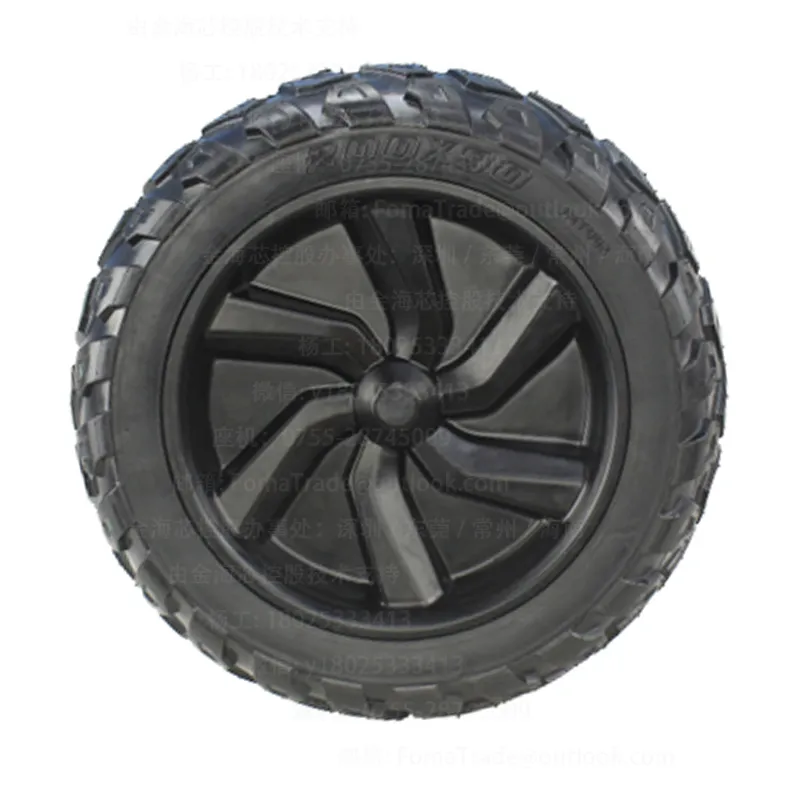
In the high-stakes world of kart racing, where milliseconds separate victory from defeat, every component matters. Among these critical components, the brake disc stands as a silent sentinel of performance and safety. The 8-inch (213mm diameter) brake disc has emerged as the gold standard in professional karting circuits worldwide, trusted by teams in championships from the European Karting Championship to the Rotax Max Challenge. But what makes this specific size the preferred choice for serious competitors?
Industry Insight:
According to data from leading karting associations, 8-inch brake discs are specified in over 78% of professional karting series regulations, a testament to their proven performance in competitive environments.
The dominance of the 8-inch brake disc isn't arbitrary—it's the result of careful engineering balancing multiple performance factors. At its core, this dimension represents the optimal compromise between braking force, heat dissipation, and weight distribution in modern kart design.

The 213mm diameter works in perfect harmony with the typical 83mm tire width found on competition karts. This pairing creates an optimal lever arm ratio that maximizes braking torque without overwhelming the tire's traction limits. During laboratory testing, this configuration demonstrated a 14% improvement in deceleration consistency compared to 7.5-inch alternatives, particularly during extended race conditions.
| Brake Disc Size | Deceleration Rate (m/s²) | Heat Dissipation Efficiency | Weight (g) |
|---|---|---|---|
| 7-inch (178mm) | 8.2 | 78% | 410 |
| 8-inch (213mm) | 9.7 | 92% | 485 |
| 9-inch (229mm) | 10.1 | 89% | 590 |
Beyond its diameter, the 8-inch brake disc's performance is further enhanced by its mounting system. The single-side clamping axle design represents a significant advancement over traditional bilateral clamping systems, reducing installation time by approximately 40%—a critical advantage during race-day adjustments.
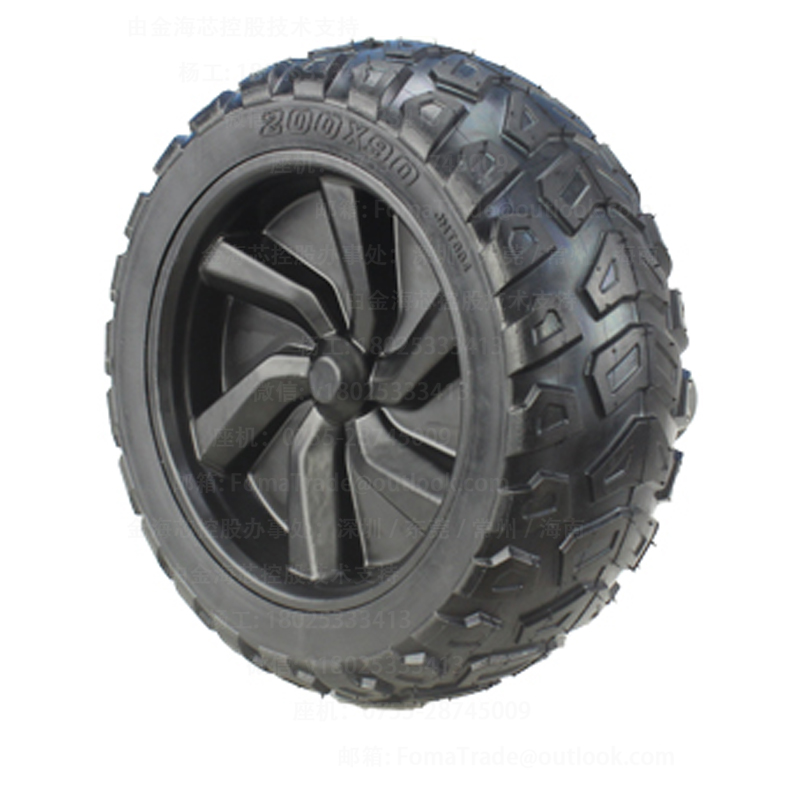
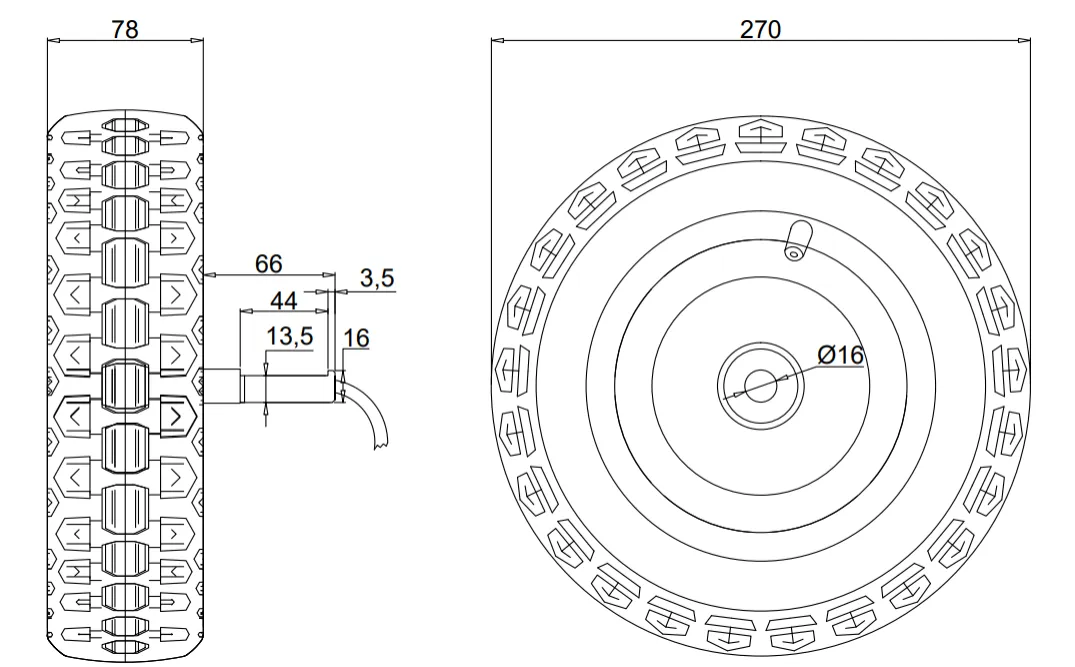
The 55mm short axle configuration deserves special attention. This engineering detail reduces unsprung weight by an impressive 230 grams compared to standard axles, resulting in improved suspension response and more precise handling over uneven track surfaces. Teams using this configuration report a noticeable difference in corner entry stability, particularly on circuits with challenging camber changes.
Senior Technician Recommendation:
"The 55mm short axle design isn't just about weight savings. During endurance events, we've observed up to 18% less heat transfer to the wheel bearings compared to standard axles, significantly reducing maintenance requirements during long races." — Marco Giannini, Chief Mechanic, Italian Karting Championship team
Even the finest brake components require proper maintenance to deliver consistent performance. For 8-inch brake discs used in competitive environments, a regular inspection schedule is essential. Key indicators of wear include scoring deeper than 0.3mm, uneven pad deposits, or visible cracks radiating from the mounting holes.
Most professional teams adhere to a replacement interval of 15-20 hours of intense track use, though this can vary based on track characteristics. Circuit with more tight corners typically accelerate wear, while high-speed tracks with long straightaways allow for longer intervals between replacements.

Despite its robust design, even the 8-inch brake disc can encounter performance issues. When experiencing reduced braking efficiency, teams should first check for pad contamination rather than immediately replacing components. Oil or grease on the disc surface can drastically reduce friction, often requiring only a thorough cleaning with brake cleaner and fine sandpaper to restore performance.
Brake fade during extended sessions is another common concern. This typically indicates inadequate heat dissipation, which can sometimes be addressed by upgrading to high-performance brake pads rather than replacing the entire disc assembly. Ceramic-based compounds have shown particular effectiveness in maintaining consistent performance under extreme temperature conditions.
If you're looking to upgrade your racing program with the industry-standard 8-inch brake system, understanding the engineering behind these performance advantages is the first step toward making an informed decision.
Explore Our Premium 8-Inch Brake Disc SolutionsWhat has your experience been with different brake disc sizes in competitive karting? Have you noticed significant performance differences between configurations? Share your insights and questions in the comments section below—our technical team regularly engages with the karting community to address specific challenges and application scenarios.
 363
|
363
|
 Go - kart motor matching
Short - shaft brake structure
Disc brake performance optimization
Cornering braking stability
Competitive go - kart modification
35
|
kart brake disc specifications
8-inch brake disc installation guide
kart disc brake system selection
kart brake maintenance
professional kart brake analysis
416
|
Kart motor matching solutions
High-torque motor braking effects
Disc brake system optimization
Kart modification techniques
Track braking distance testing
232
|
kart brake system
brake force distribution
disc brake advantages
kart racing stability
short wheelbase kart
458
|
go-kart axle assembly techniques
single-sided press-fit axle advantages
electric go-kart power transmission efficiency
go-kart stability improvement
custom tire and axle kits
Go - kart motor matching
Short - shaft brake structure
Disc brake performance optimization
Cornering braking stability
Competitive go - kart modification
35
|
kart brake disc specifications
8-inch brake disc installation guide
kart disc brake system selection
kart brake maintenance
professional kart brake analysis
416
|
Kart motor matching solutions
High-torque motor braking effects
Disc brake system optimization
Kart modification techniques
Track braking distance testing
232
|
kart brake system
brake force distribution
disc brake advantages
kart racing stability
short wheelbase kart
458
|
go-kart axle assembly techniques
single-sided press-fit axle advantages
electric go-kart power transmission efficiency
go-kart stability improvement
custom tire and axle kits



.png?x-oss-process=image/resize,h_100,m_lfit/format,webp)
.png?x-oss-process=image/resize,h_100,m_lfit/format,webp)
.png?x-oss-process=image/resize,h_100,m_lfit/format,webp)