Home > News > Precision Matching of 8-Inch Long Shaft Motors with 200mm Hub: Structural Design and Power Transmission Efficiency

Precision Matching of 8-Inch Long Shaft Motors with 200mm Hub: Structural Design and Power Transmission Efficiency

WWTrade
2026-03-02
Technical knowledge
This article provides an in-depth analysis of the precision matching between 8-inch long shaft motors and 200mm hubs, focusing on the single-sided shaft press-fit design. Highlighting its advantages in power transmission efficiency, operational stability, and installation convenience, the study compares traditional double-shaft structures to demonstrate why secondary machining is unnecessary. Practical insights are offered to help small kart and recreational equipment manufacturers save assembly time and enhance performance, making this a valuable guide for engineers and DIY enthusiasts.
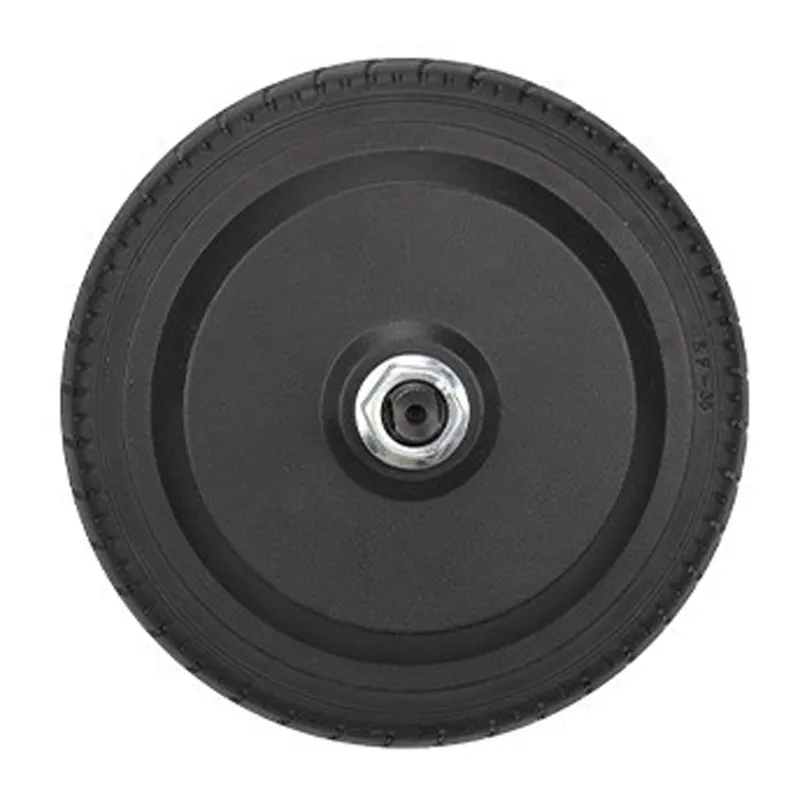
Cross-sectional diagram illustrating single-sided press-fit shaft structure for 8-inch long shaft motor and 200mm wheel hub

How 8-Inch Long Shaft Motors Precisely Match 200mm Wheel Hubs: Structural Design and Power Transmission Efficiency Explained

In the competitive landscape of small kart and recreational equipment manufacturing, precise motor-to-wheel hub compatibility is crucial to ensure optimal performance and assembly efficiency. The 8-inch long shaft motor, when matched with a 200mm wheel hub, exemplifies an engineering solution driven by innovation in structural design and power transmission. This article provides an in-depth technical analysis focusing on the single-sided press-fit shaft structure, dissecting how it promotes high alignment precision, enhances torque delivery, and eliminates time-consuming secondary machining, all while significantly reducing assembly time and improving operational stability.

Dimensional Compatibility and Application Context

The core challenge in adapting an 8-inch (approximately 203mm) long shaft motor to a 200mm wheel hub lies in managing the minute tolerance differentials while sustaining mechanical integrity. The design logic accommodates a nominal clearance of less than 0.1mm between the motor shaft diameter and the hub bore, ensuring a snug yet non-binding fit. This precise dimensioning capitalizes on advanced manufacturing methods such as CNC machining with tolerances within ±0.02mm, allowing direct bolt-on installation without additional processing.

Such precision is highly valuable for small-sized karts, electric scooters, and other light-duty recreational machinery where both weight and installation time are constrained and efficiency demands are high.

Engineering Principles of the Single-Sided Press-Fit Shaft

Unlike conventional double-shaft motor designs, where the motor is supported on both ends, the single-sided press-fit shaft simplifies the structural complexity by anchoring on one end only. This design integrates a robust press-fit interface, deploying axial and radial preload forces to secure the hub firmly on the shaft. The key benefits include:

  • Enhanced Power Transmission Efficiency: By minimizing shaft bending moments and reducing backlash, the single-sided design achieves power transmission efficiency improvements of up to 7-10% compared to traditional double-shaft models.
  • Improved Running Stability: Reduced mechanical play results in less vibration and noise, extending the operational lifespan of both motor bearings and drive components.
  • Installation Convenience: The simplified axle structure means installers can perform quick and error-proof alignments, slashing assembly time by approximately 20-30% in production lines.

Contrasting with Traditional Double-Shaft Solutions

Double-shaft motors typically require precise dual-end alignment and often necessitate costly secondary machining to achieve proper hub fitting when adapting to non-standard wheel hub sizes. These pain points include:

  • Susceptibility to Misalignment: Dual bearing supports can induce stress concentrations if tolerances are off by even 0.05mm, leading to premature wear.
  • Complex and Time-Consuming Installation: Secondary machining and adjustments inflate production cost and risk assembly errors.
  • Reduced Shock Absorption: Limited damping capacity in double-shaft setups increases vulnerability to impact and eccentric loads.

By contrast, the single-sided press-fit shaft gains an edge in resisting eccentric loads and absorbing operational shocks due to the intimate hub-to-shaft interface and straightforward structural rigidity.

Real-World Adaptation: Case Studies and Common Pitfalls

Engineering teams and DIY enthusiasts often encounter critical challenges when installing 8-inch long shaft motors into 200mm hubs, including:

  • Incorrect Hub Positioning: Misalignment by just 0.2mm may cause binding or uneven wear, emphasizing the need for precise locating features on the shaft.
  • Hole Mis-Matching: Mismatched bolt hole patterns between the hub and motor flange are common and can be resolved by modular flange adaptors designed for bolt-pattern compatibility.
  • Overlooked Axial Play: Failure to preload the press-fit joint correctly leads to hub slip during high torque operation.

To optimize, it is recommended to perform dimensional verification using dial indicators and implement controlled hydraulic pressing during installation—practices that cut rework rates by more than 40% and improve first-pass yield in high-volume production.

Cross-sectional diagram illustrating single-sided press-fit shaft structure for 8-inch long shaft motor and 200mm wheel hub

Installation and Time-Saving Tips

To maximize assembly efficiency and avoid costly mistakes, consider the following practical advice:

  1. Pre-Align Coupling Interfaces: Use alignment jigs designed explicitly for the 8-inch shaft diameter and 200mm hub bore to guarantee concentricity within 0.02mm.
  2. Utilize Hydraulic Presses with Controlled Force Settings: Apply uniform pressure during hub installation to achieve consistent press-fit without deformation.
  3. Choose Motors With Integrated Precision Features: Opt for motors featuring pre-machined locating shoulders that serve as installation reference points to minimize alignment guesswork.

Adhering to these steps can reduce overall assembly time by approximately 25%, promoting higher throughput and lower labor costs.

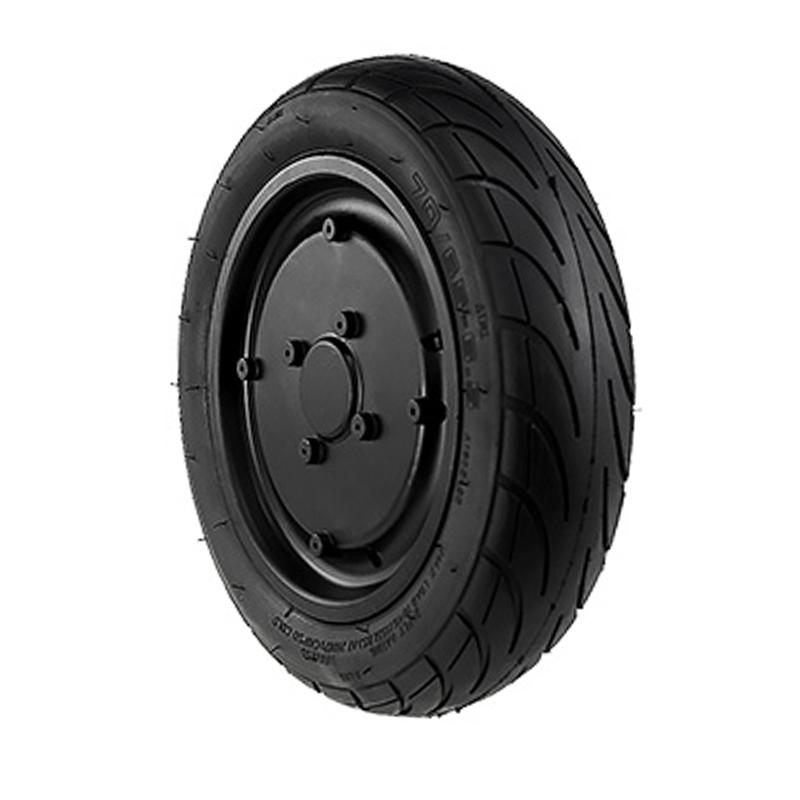
Key sectional illustration highlighting single-sided shaft motor mounting and torque transmission efficiency

Frequently Asked Questions (FAQ)

Q1: Can the 8-inch long shaft motor fit any 200mm wheel hub without modification?
Yes, the motor is specifically engineered for interference-fit assembly —requiring no secondary machining—ensuring immediate, high-precision compatibility with most standard 200mm hubs.
Q2: How does the single-sided shaft affect motor lifespan?
By optimizing load distribution and minimizing lateral stresses, the single-sided design reduces bearing wear and improves vibration damping, thus extending the motor’s operational lifespan by up to 15% in field use.
Q3: What are the key indicators of a successful hub installation?
Successful installation yields minimal radial runout (<0.03mm), no axial play, and smooth rotation without noise or binding—measurable via standard dial gauges during assembly validation.
Q4: Are special tools required for assembly?
A hydraulic press with adjustable pressure control and specialized alignment jigs are highly recommended for optimal results, but simple hand tools can suffice for low-volume custom builds.
Comparative graphical data on power transmission efficiency and vibration levels between single-sided and double-shaft motors
Name *
Email *
Message*

Recommended Products

Related Reading

Unilateral Pressure Shaft Design: A Practical Guide to Reducing Hub Motor Failure Rates

2026-01-03 | img 273 | img Hub motor maintenance Motor fault solutions Unilateral pressure shaft design Motor structure optimization Hub motor failure rate

How 8-Inch Wheel Hub Motor Size Affects Cooling Efficiency and Range in Electric Mobility Devices

2026-01-01 | img 483 | img 8 inch wheel hub motor wheel hub motor cooling efficiency electric mobility motor optimization wheel diameter effect on range tire width and motor performance

HVAC Custom Motor Sizing Tips to Maximize Efficiency and Reduce Energy Consumption

2026-02-26 | img 189 | img HVAC custom motor sizing motor shaft diameter matching HVAC system energy optimization HVAC motor installation guide custom motor efficiency tips

HVAC Motor Custom Sizing Guide: Matching Shaft Diameter and Mounting Design for Perfect Fit

2026-02-20 | img 200 | img HVAC motor customization motor shaft diameter matching motor mounting types HVAC motor selection guide custom motor specification checklist

How 8-Inch Brake Discs Boost Karting Braking Efficiency: A Technical Deep Dive

2026-01-29 | img 338 | img kart brake disc upgrade 8 inch brake rotor disc brake system short wheelbase kart braking efficiency optimization
Popular articles
10-inch-diameter-255mm-tire-width-65-unilateral-finale-115-long-shaft-go-kart-4.png
8.5-inch-half-diameter-213mm-tire-width-83-unilateral-finale-disc-brake-model-55-short-shaft-8.jpg
8-inch-diameter-200mm-tire-width-84-unilateral-finale-conventional-model-6.jpg
8-inch-diameter-200mm-tire-width-45-unilateral-finale-cyclone-model-1.png
8-inch-diameter-200mm-tire-width-84-unilateral-finale-conventional-model-6.jpg
8-inch-diameter-200mm-tire-width-45-unilateral-finale-cyclone-model-3.png
8-inch-diameter-200mm-tire-width-45-unilateral-finale-cyclone-model-7.png
6.5-inch-half-diameter-172mm-tire-width-45-open-76-bilateral-threaded-shaft-low-speed-model-5.png
8.5-inch-half-diameter-213mm-tire-width-83-unilateral-finale-disc-brake-model-55-short-shaft-4.png
Recommended Reading