
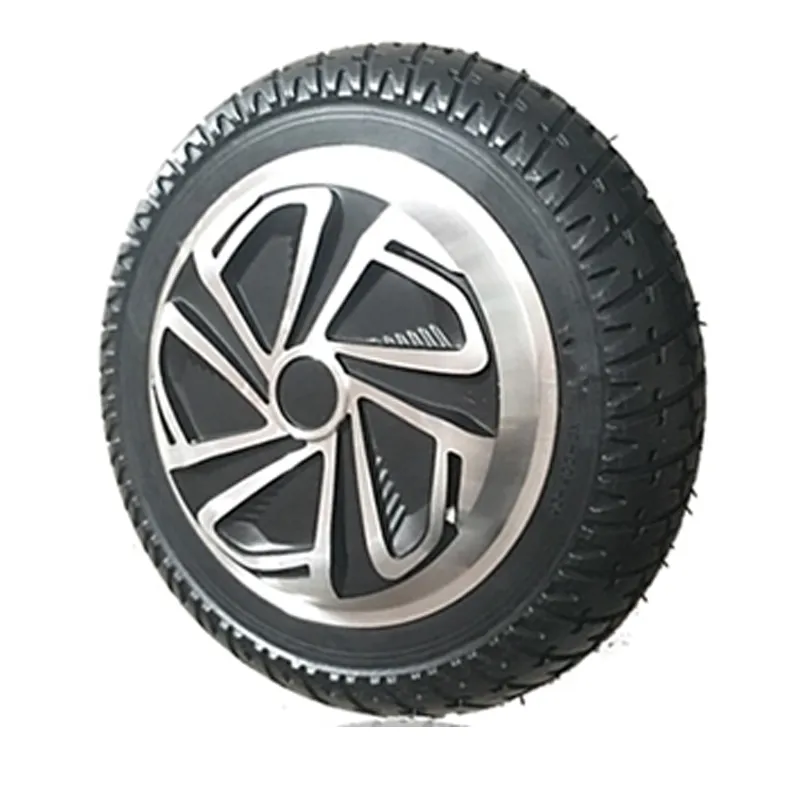
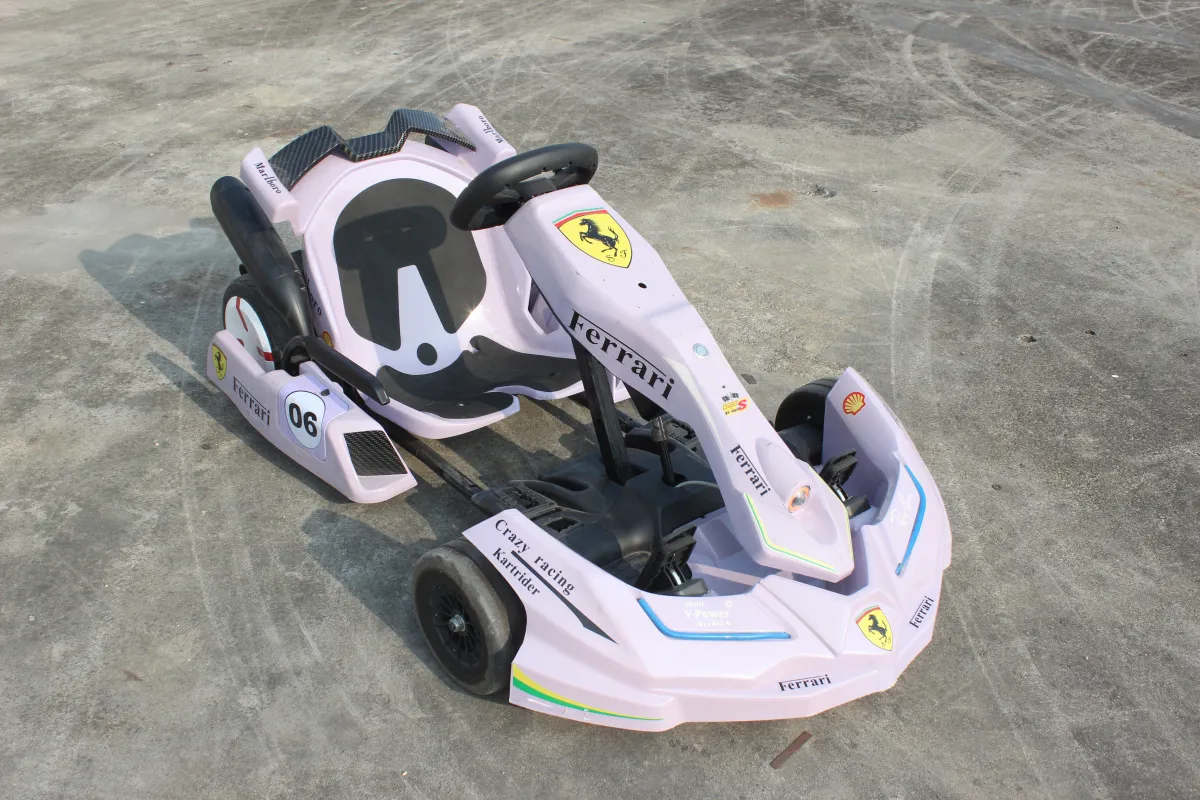
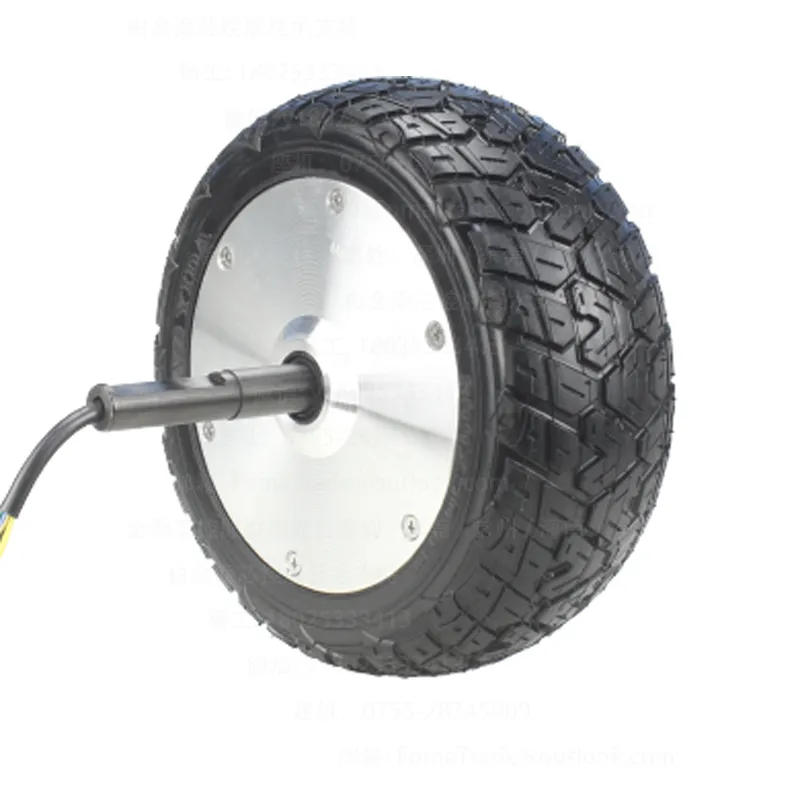
Selecting the right tire width is crucial for optimizing the performance of light-power vehicles such as small go-karts and electric scooters. Among various options, an 84mm tire width has emerged as a favored specification due to its optimal balance of grip, handling stability, and energy efficiency. Leveraging data-driven insights, this article by WWTrade explores the technological advantages of 84mm tire width and its synergy with 8-inch long-axis motors, giving stakeholders a comprehensive guide to making informed choices that enhance riding experience and device longevity.
Tire width significantly influences traction and overall vehicle dynamics. An 84mm tire width provides ample contact patch to improve grip across diverse urban and uneven terrains without introducing excessive rolling resistance. This size facilitates efficient energy transfer, vital for electric scooters where battery conservation is paramount.
Recent traction tests on dry and wet asphalt indicate that 84mm tires deliver approximately 12% better lateral grip compared to narrower 70mm alternatives, while maintaining a rolling resistance coefficient below 0.015. On mixed urban surfaces with occasional gravel patches, this tire width balances stability and maneuverability, reducing slip risk by 9% relative to wider 100mm options prone to increased inertia.
The dynamics of power transfer are equally essential when evaluating tire width. 8-inch long-axis motors typically deliver a peak torque in the range of 15 to 20 Nm, which complements the traction profile of 84mm tires. This pairing enhances acceleration responsiveness and smooth directional changes, critical for navigating congested urban streets or tight recreational circuits.
The tire’s moderate width prevents the motor-induced torque from overwhelming the contact patch, thereby reducing wheel slip during rapid acceleration. Furthermore, longitudinal tests reveal that 84mm tires shorten 0–30 km/h acceleration by up to 8%, compared to bulkier tire widths, aligning with user demands for quick starts without sacrificing control.
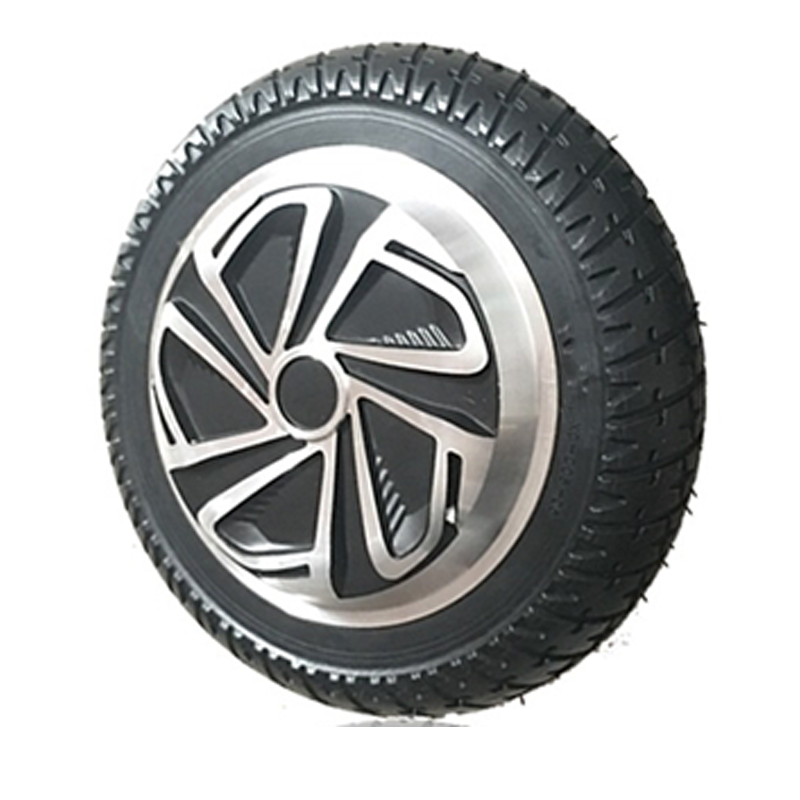
Urban environments impose frequent transitions between smooth pavement, textured crossings, and occasional debris zones, requiring a tire dimension that can adapt swiftly. The 84mm width strikes a compromise by delivering stable cornering grip on asphalt while also managing moderate off-road undulations.
Compared to narrower tires, which risk faster wear and compromised safety on uneven terrain, and wider tires, which may hinder turning agility, 84mm tires offer superior all-around performance for light passenger loads typically under 120 kg. Additionally, their moderate size contributes to reduced unsprung mass, enhancing suspension response and ride comfort.
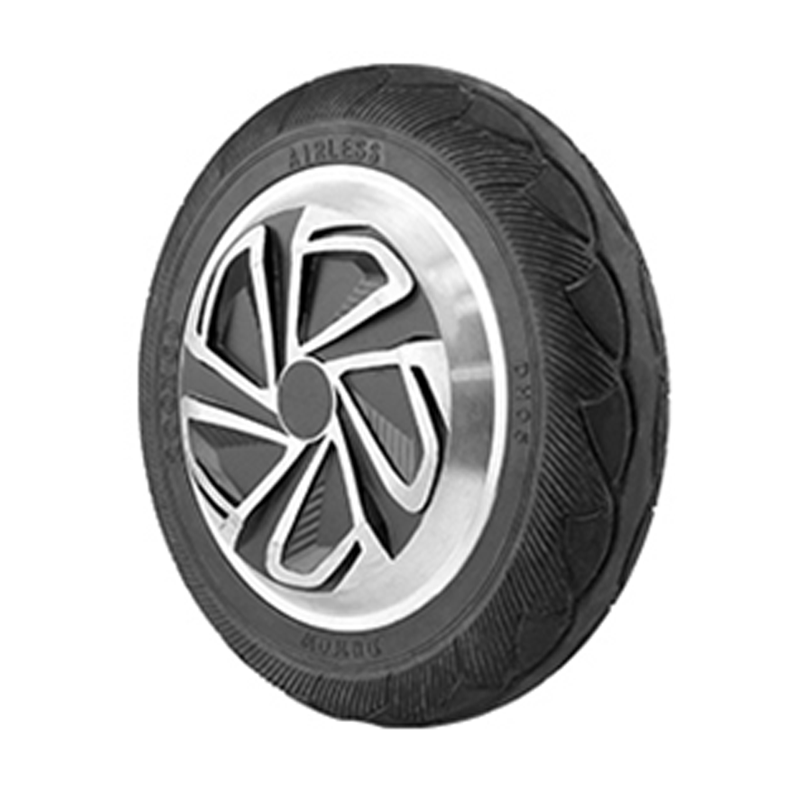
Proper tire selection should consider vehicle load and typical use-cases to maximize efficacy. Data from standardized load tests demonstrate the following:
The following formula offers a starting point for tire width selection relative to payload:
Recommended Tire Width (mm) = 70 + 0.1 × Payload (kg)
Essentially, 84mm suits up to approximately 140 kg payload, covering most small go-kart and electric scooter applications efficiently.

 152
|
152
|
 HVAC custom motor
motor sizing techniques
HVAC system efficiency
motor matching technology
energy optimization for HVAC
468
|
kart motor torque matching
brake response speed
disc brake design
short axle kart setup
kart performance optimization
237
|
electric go-kart power system installation
electric motor tuning tutorial
go-kart motor troubleshooting
8-inch long-shaft motor customization
single-sided shaft motor assembly
200
|
HVAC motor customization
motor shaft diameter matching
motor mounting types
HVAC motor selection guide
custom motor specification checklist
259
|
8-inch long shaft motor
200mm hub matching
single-sided shaft press-fit
power transmission efficiency
kart motor retrofit
HVAC custom motor
motor sizing techniques
HVAC system efficiency
motor matching technology
energy optimization for HVAC
468
|
kart motor torque matching
brake response speed
disc brake design
short axle kart setup
kart performance optimization
237
|
electric go-kart power system installation
electric motor tuning tutorial
go-kart motor troubleshooting
8-inch long-shaft motor customization
single-sided shaft motor assembly
200
|
HVAC motor customization
motor shaft diameter matching
motor mounting types
HVAC motor selection guide
custom motor specification checklist
259
|
8-inch long shaft motor
200mm hub matching
single-sided shaft press-fit
power transmission efficiency
kart motor retrofit



.png?x-oss-process=image/resize,h_100,m_lfit/format,webp)
.png?x-oss-process=image/resize,h_100,m_lfit/format,webp)
.png?x-oss-process=image/resize,h_100,m_lfit/format,webp)


