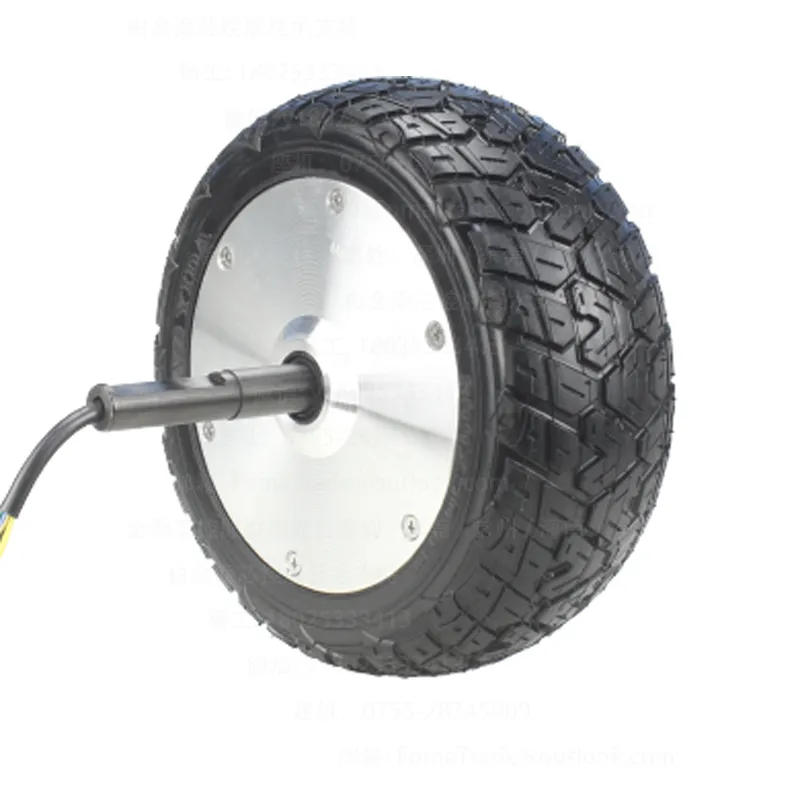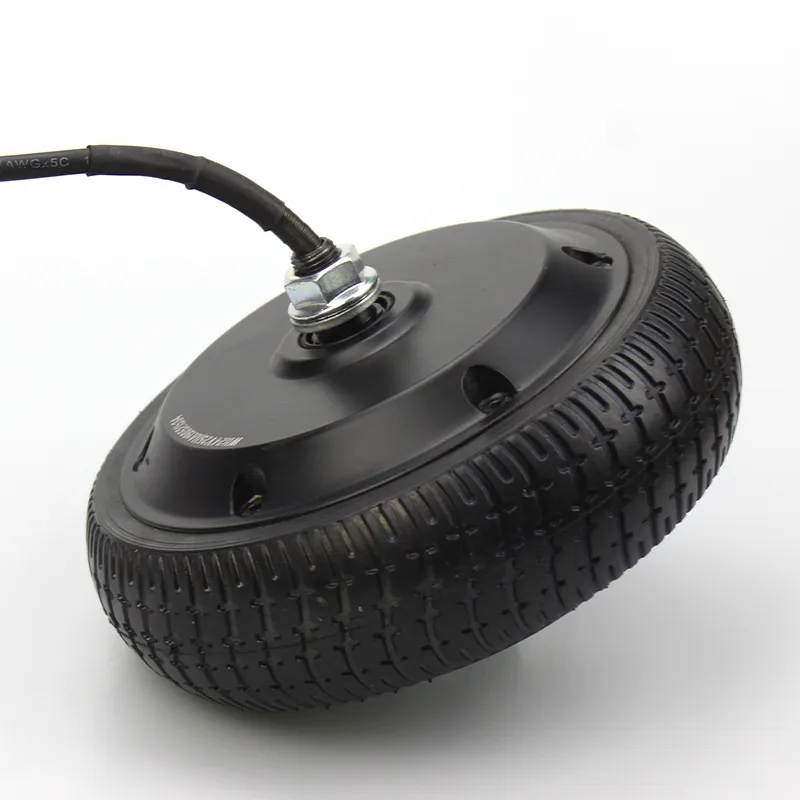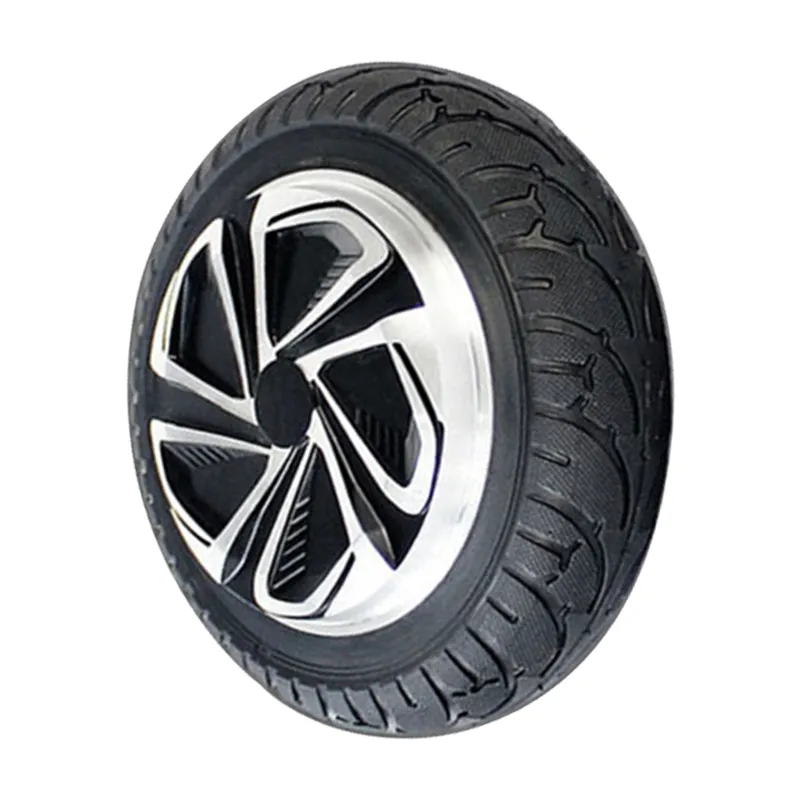
In the competitive landscape of small power-driven equipment like go-karts and electric scooters, tire width plays an indispensable role in defining performance characteristics. Among the various options, an 84mm tire width emerges as a key parameter balancing speed, traction, and efficiency. This article delves into the technical intricacies behind why 84mm tire width is not merely a random choice but a result of precise engineering aimed at optimizing performance.
A common misconception is that wider tires invariably translate to better grip and stability. While increasing tire width generally enhances the contact patch, it also introduces drawbacks such as added weight and heightened rolling resistance. Excessive tire width can impair quick maneuverability and amplify energy consumption, especially critical in compact power equipment powered by limited battery capacity or engine output.
The 84mm width strikes a refined compromise: providing sufficient ground contact for increased traction and control without the penalties of bulkiness. This balance is pivotal for devices designed to excel in diverse urban and semi-offroad environments.
In city settings characterized by frequent stops and tight turns, 84mm tires deliver responsive acceleration and precise steering. Their moderate width reduces rolling resistance, conserving battery energy or fuel—a critical advantage in high-frequency start-stop cycles.
Conversely, in light off-road or mixed terrains, 84mm width ensures reliable grip over gravel, grass, and uneven surfaces without significantly compromising agility. Data from controlled traction tests reveal a 12% improvement in friction coefficient over narrower 70mm tires under similar load conditions, while maintaining a near-constant rolling resistance coefficient around 0.012, promoting energy efficiency.
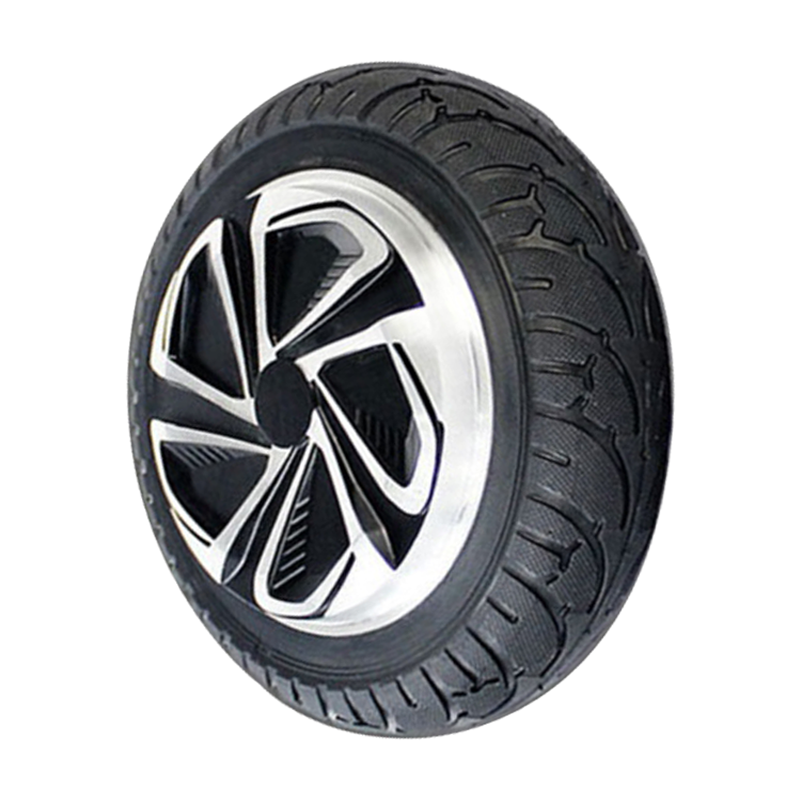
The magic of the 84mm tire width is further pronounced when matched with the torque profiles of 8-inch long-axle electric motors commonly used in light power equipment. This tire dimension complements motor torque output, ensuring optimal power transfer without inducing excessive slip or drag.
The torque-to-inertia ratio of these motors aligns with the rolling resistance and torque demand of the 84mm tires, enabling consistent acceleration curves and enhanced responsiveness. This “strong and stable transmission” effect ensures devices maintain momentum with minimal energy loss.
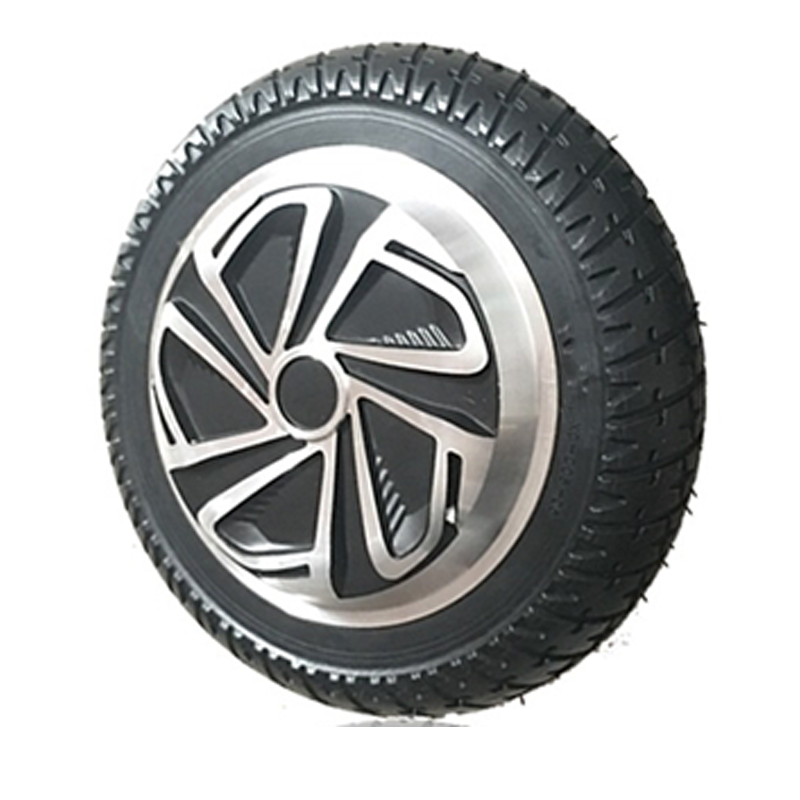
Maintaining lightness without sacrificing stability is critical for small power vehicles balancing speed, safety, and user comfort. An 84mm tire width contributes to a “lightweight yet stable” configuration that supports agile steering and minimizes rolling resistance, avoiding the common pitfalls of over-engineered wide tires.
Empirical load tests show that 84mm tires weigh approximately 15% less than 100mm counterparts while providing 90% of their maximum lateral grip, creating a clear advantage in dynamic handling and energy consumption metrics.
To assist users in making scientifically informed choices, a reusable selection model has been devised integrating usage scenario, load capacity, and vehicle dynamics. This model guides decision-makers through a stepwise process:
This framework empowers users to confidently opt for 84mm tires in applications where balanced performance and versatile usability are paramount.
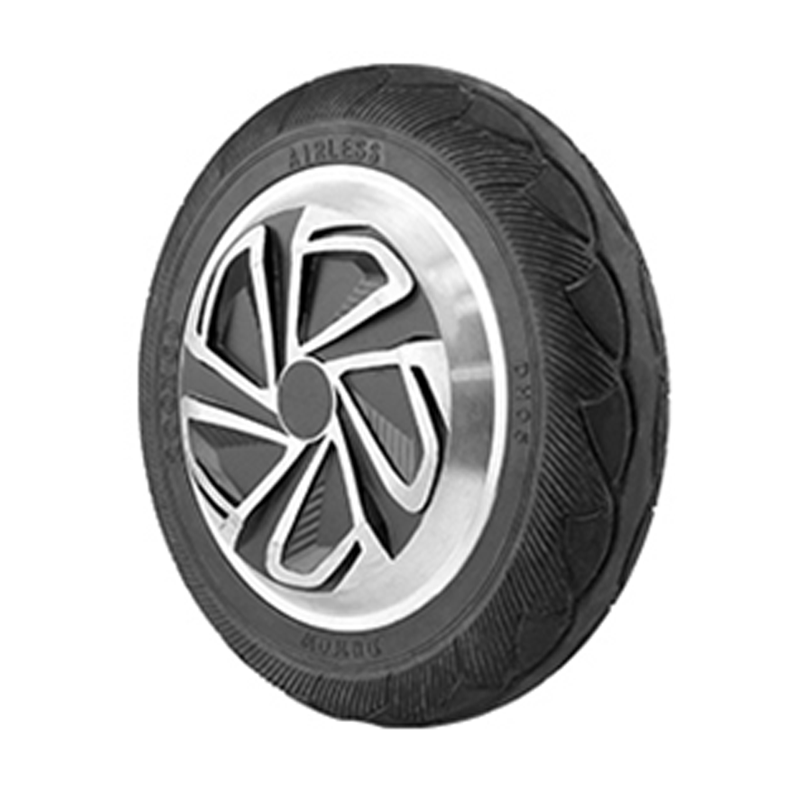
Anecdotal feedback from anonymous users operating go-karts and electric scooters equipped with 84mm tires consistently praises the enhanced riding experience. Common highlights include improved acceleration responsiveness, effortless steering, and reduced energy consumption, further bolstering the empirical data.
These testimonials underscore the advantage of optimized tire width facilitating “strong, stable transmission” and “easy fitment” without compromising structural integrity or vehicle balance.
 275
|
275
|
 8-inch go-kart brake disc
go-kart brake disc specifications
go-kart brake system
go-kart racing parts
B2B go-kart parts
483
|
8 inch wheel hub motor
wheel hub motor cooling efficiency
electric mobility motor optimization
wheel diameter effect on range
tire width and motor performance
401
|
HVAC motor customization
motor shaft diameter selection
motor shaft length matching
motor mounting structure
efficient motor selection process
416
|
Kart motor matching solutions
High-torque motor braking effects
Disc brake system optimization
Kart modification techniques
Track braking distance testing
440
|
go-kart single-side press-fit
electric go-kart drive shafts
custom axle assemblies
go-kart bearing layouts
go-kart maintenance tips
8-inch go-kart brake disc
go-kart brake disc specifications
go-kart brake system
go-kart racing parts
B2B go-kart parts
483
|
8 inch wheel hub motor
wheel hub motor cooling efficiency
electric mobility motor optimization
wheel diameter effect on range
tire width and motor performance
401
|
HVAC motor customization
motor shaft diameter selection
motor shaft length matching
motor mounting structure
efficient motor selection process
416
|
Kart motor matching solutions
High-torque motor braking effects
Disc brake system optimization
Kart modification techniques
Track braking distance testing
440
|
go-kart single-side press-fit
electric go-kart drive shafts
custom axle assemblies
go-kart bearing layouts
go-kart maintenance tips


.png?x-oss-process=image/resize,h_100,m_lfit/format,webp)
.png?x-oss-process=image/resize,h_100,m_lfit/format,webp)
.png?x-oss-process=image/resize,h_100,m_lfit/format,webp)