

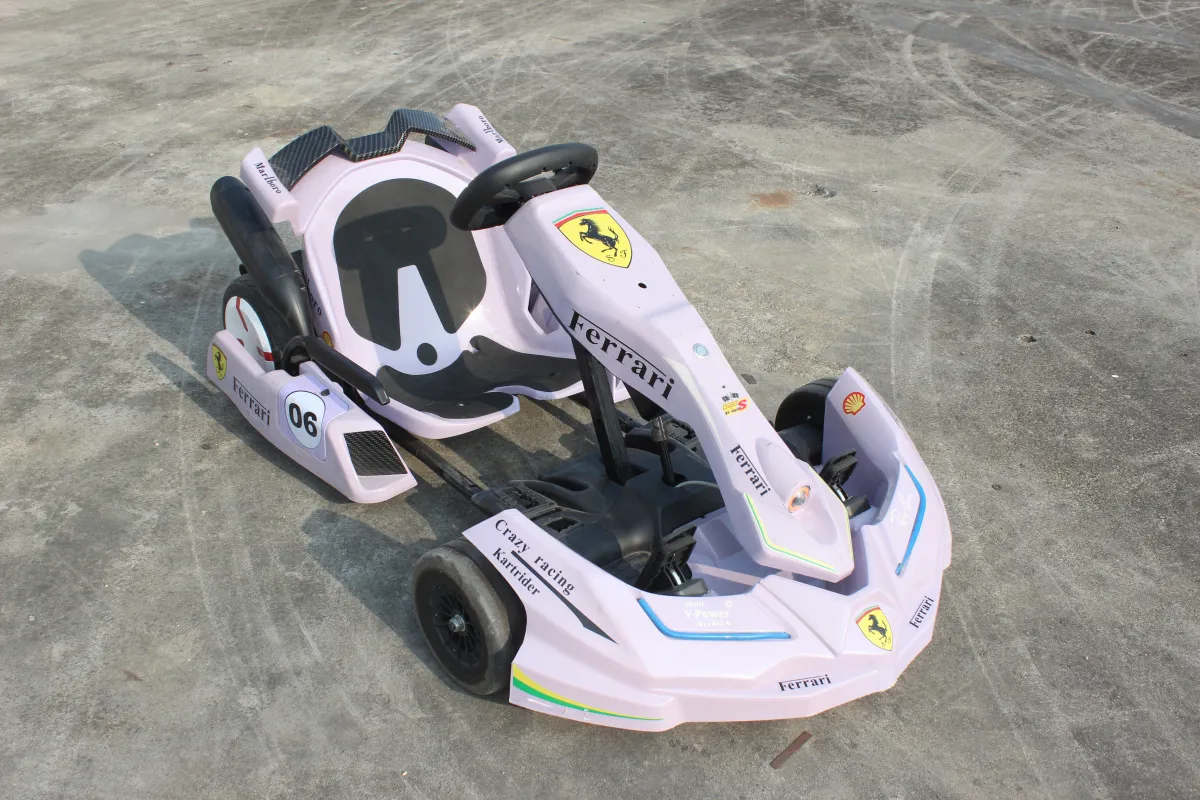
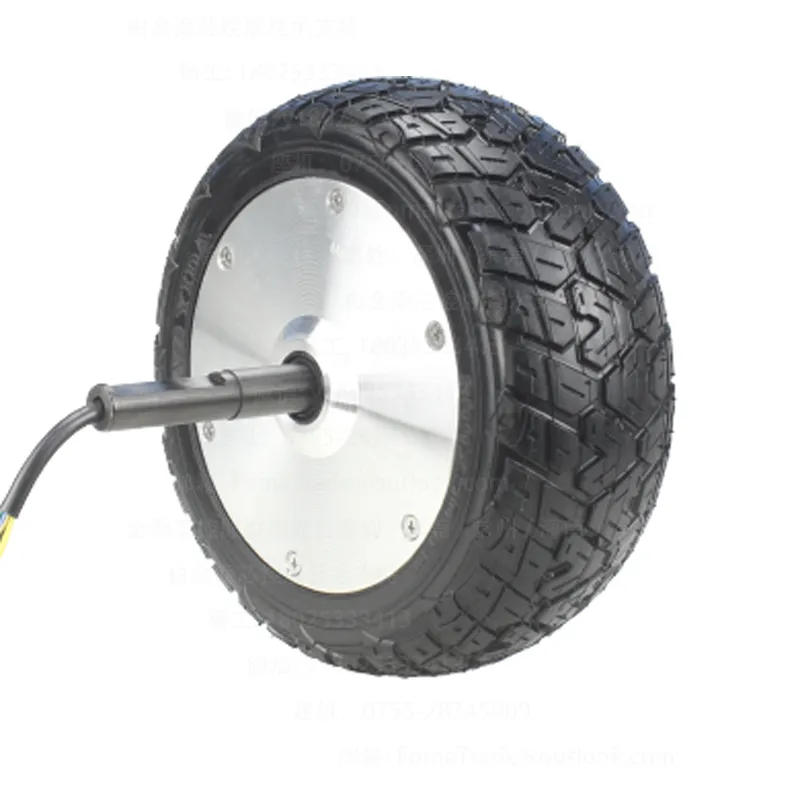
Matching an 8-inch long shaft motor to a 200mm diameter hub wheel presents unique mechanical and efficiency challenges. The key lies in adopting a precise structural design that ensures stable power transmission, minimizes installation errors, and optimizes dynamic performance—especially critical in small go-karts and leisure equipment applications. This guide explores the technical principles behind the single-sided press-fit (single-sided shaft compression) structure and how it outperforms traditional double-shaft setups in enhancing transmission stability and energy efficiency.
Traditional dual-shaft mechanical designs often encounter complexities such as alignment discrepancies and increased vibration due to multi-point constraints. The single-sided press-fit structure simplifies the interface by applying axial compression on one side, improving concentricity between the motor shaft and the hub wheel.
This configuration reduces lateral forces that commonly generate misalignment, leading to fewer dynamic losses. Engineering data reveals that single-sided compression designs can reduce installation-induced eccentricity by up to 35%, effectively lowering mechanical backlash and jitter during operation.
Power transmission efficiency depends heavily on minimizing torque losses and ensuring stable load paths. The 8-inch long shaft motor paired with a 200mm hub wheel benefits from this design by:
Material strength compatibility also plays a critical role. Selecting hub wheels forged from high-tensile aluminum alloys (e.g., 6061-T6) guarantees optimal stress distribution when clamped on the motor shaft under compression loads. Simultaneously, motor shafts crafted from hardened steel with surface treatment resist wear and corrosion — crucial for long-term reliability.
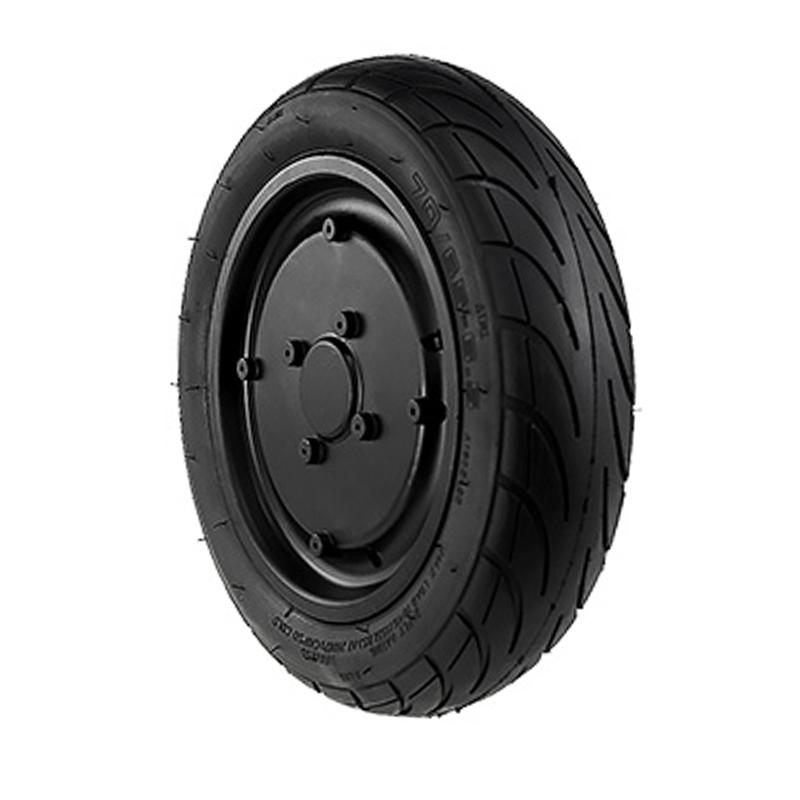
Despite the advantages, improper installation can negate these benefits. Common errors include:
To tackle these challenges, a stepwise installation protocol is recommended:
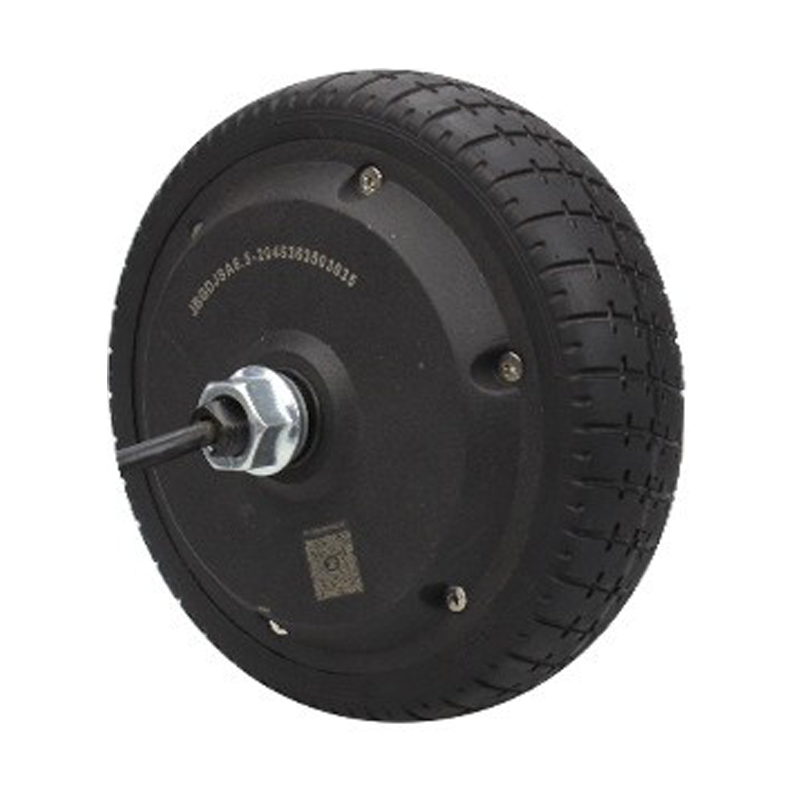
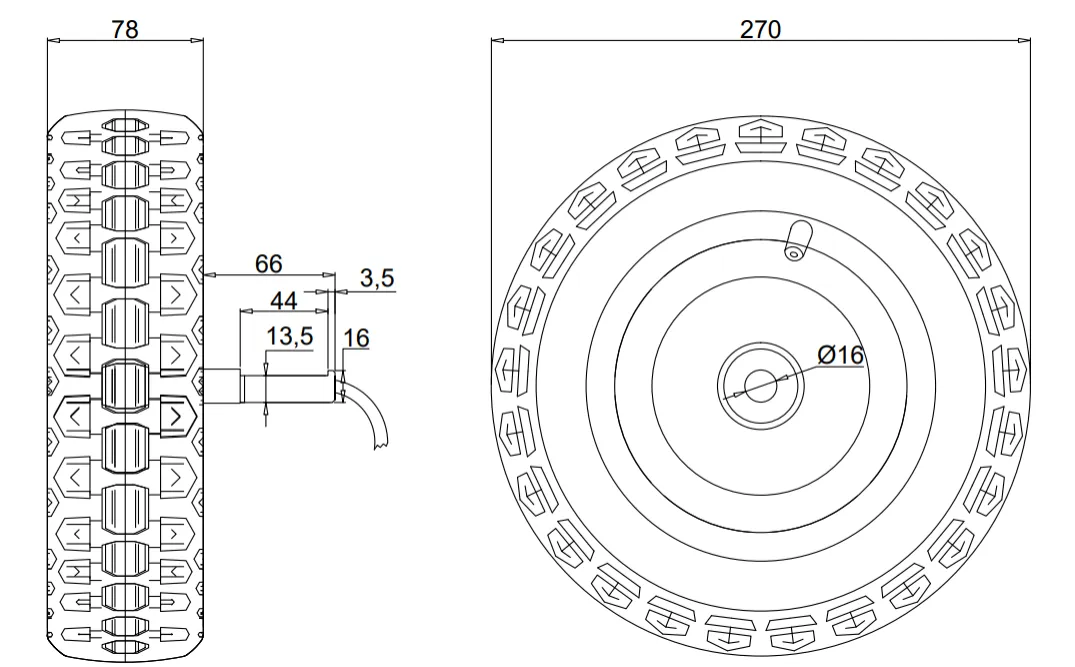
Precise axial and radial positioning is essential for ensuring interference fit without additional machining or modifications. Best practices include:
These methods enable a fast, reliable, and consistent installation experience, markedly reducing time and labor costs, which is a critical advantage for batch production lines.

Leveraging WWTrade's extensive expertise in motor and mechanical component sourcing ensures clients benefit from both technical assistance and optimized procurement of 8-inch long shaft motors and 200mm hub wheels. Ideal for industrial OEMs and professional DIY manufacturers, this facilitates:
These services accelerate product development cycles and reduce costly redesign risks for end-use equipment like recreational vehicles and light-duty machinery.
 70
|
70
|
 8 inch go kart brake disc
213mm kart brake rotor
single sided clamp axle
83mm tire brake disc match
go kart brake disc installation
401
|
HVAC motor customization
motor shaft diameter selection
motor shaft length matching
motor mounting structure
efficient motor selection process
237
|
electric go-kart power system installation
electric motor tuning tutorial
go-kart motor troubleshooting
8-inch long-shaft motor customization
single-sided shaft motor assembly
256
|
kart motor matching
disc brake principles
high torque motor
brake disc size
kart racing performance
204
|
kart tire performance enhancement
adult youth kart customization
high wear-resistant axle design
kart parts bulk procurement
8 inch go kart brake disc
213mm kart brake rotor
single sided clamp axle
83mm tire brake disc match
go kart brake disc installation
401
|
HVAC motor customization
motor shaft diameter selection
motor shaft length matching
motor mounting structure
efficient motor selection process
237
|
electric go-kart power system installation
electric motor tuning tutorial
go-kart motor troubleshooting
8-inch long-shaft motor customization
single-sided shaft motor assembly
256
|
kart motor matching
disc brake principles
high torque motor
brake disc size
kart racing performance
204
|
kart tire performance enhancement
adult youth kart customization
high wear-resistant axle design
kart parts bulk procurement



.png?x-oss-process=image/resize,h_100,m_lfit/format,webp)
.png?x-oss-process=image/resize,h_100,m_lfit/format,webp)
.png?x-oss-process=image/resize,h_100,m_lfit/format,webp)

