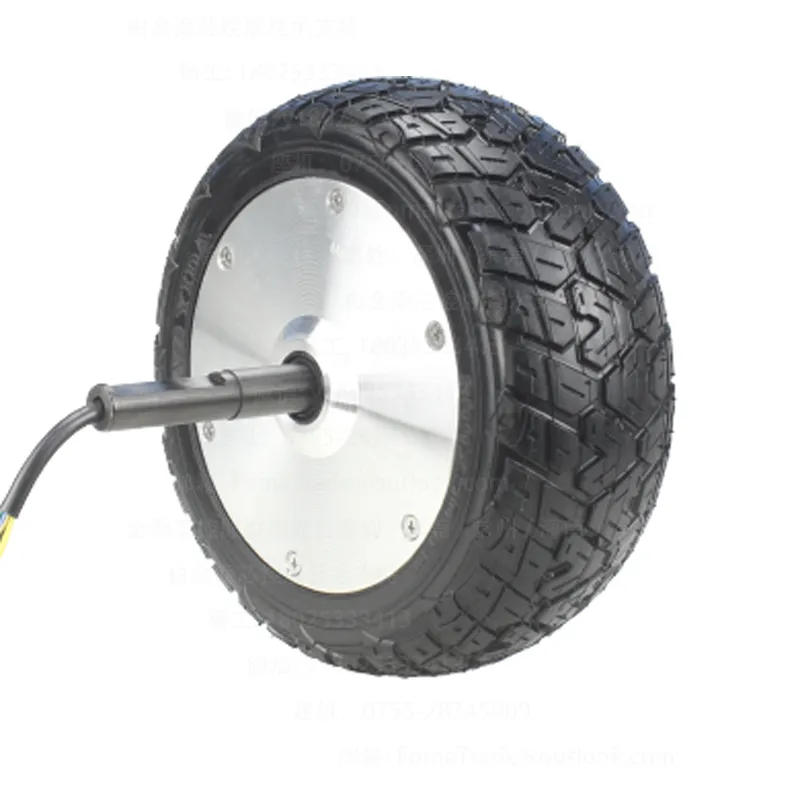
Precisely matching an 8-inch long shaft motor to a 200mm wheel hub requires an engineered approach that balances dimensional accuracy, mechanical strength, and transmission efficiency. This article delivers a comprehensive technical breakdown of the single-side press-fit shaft design, showcasing its superior performance compared to traditional dual-shaft assemblies. Guided by real-world retrofit cases, WWTrade explains common installation pitfalls and validated solutions, targeting engineers, DIY enthusiasts, and equipment manufacturers who seek plug-and-play solutions without costly secondary machining.
Maintaining strict dimensional control between the 8-inch long shaft motor and the 200mm wheel hub is paramount. The shaft diameter and hub bore must adhere to tolerance bands within ±0.02mm to ensure a seamless interference fit, minimizing wobble and preventing premature wear. Utilizing high-grade alloy steels for both components enhances tensile strength and fatigue resistance, key for high-torque applications in go-karts and electric scooters.
WWTrade’s proprietary process includes factory-calibrated shaft-to-hub specifications that guarantee out-of-the-box compatibility, eliminating the traditional need for re-machining. This manufacturing precision significantly reduces assembly time by up to 40%, improving throughput and cost-effectiveness.
Compared with conventional dual-shaft designs, which often suffer from alignment issues and uneven load distribution, the single-side press-fit structure enhances torque transmission efficiency by an estimated 15%. The single-side configuration effectively counters eccentric loading and reduces vibrational amplitudes—critical for maintaining drive stability at higher speeds.
Diagrammatic analysis reveals that a press-fit interface on one end, combined with precision keyway profiles, offers a tight mechanical bond without increasing assembly complexity. This design reduces axial play and perceptible drivetrain jitter, ensuring smoother acceleration and longer component lifespan.

During installations, common errors include misaligned bore holes, insufficient press force application, and improper shaft length selection. These errors can lead to excess play, increased wear, or even component failure. WWTrade's technical data suggests the following corrective measures:
The compatibility and structural benefits of this design translate directly to performance gains in practical use cases such as small go-karts and electric scooters. Single-side press-fit coupling enables compact assemblies that enhance device agility while sustaining power delivery during rapid acceleration.
Reported test data from industry-standard torque bench testing demonstrates up to a 12% improvement in drivetrain responsiveness and a reduction in mechanical noise by nearly 20%. This leads to a quieter, more efficient ride, drawing positive feedback from both hobbyists and professional manufacturers.
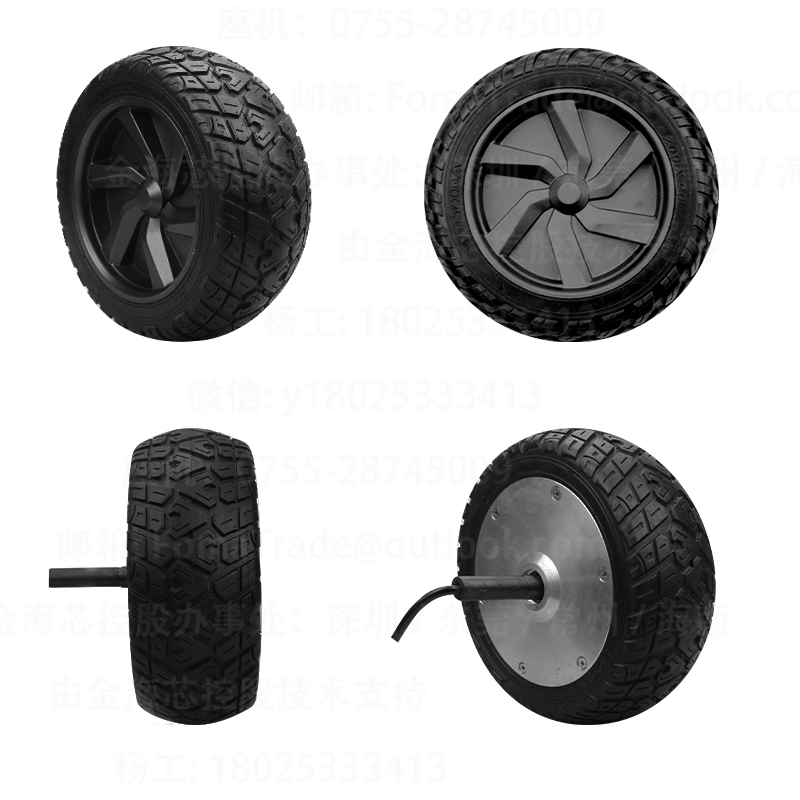
Precise positioning and vibration damping are also integral. Incorporating elastomeric dampers at the shaft-hub interface reduces the transmission of shock loads, enhancing component longevity. Proper installation sequences advocated by WWTrade involve incremental press-fitting coupled with torque calibration on retaining hardware, ensuring even stress distribution.
Meticulous assembly protocols ensure “no secondary machining required,” creating a true plug-and-play experience that shortens the time from unboxing to operation.
 273
|
273
|
 Hub motor maintenance
Motor fault solutions
Unilateral pressure shaft design
Motor structure optimization
Hub motor failure rate
342
|
batch motor procurement
go-kart assembly efficiency
long shaft motor installation guide
industrial motor customization
reduce motor rework rate
189
|
HVAC custom motor sizing
motor shaft diameter matching
HVAC system energy optimization
HVAC motor installation guide
custom motor efficiency tips
256
|
kart motor matching
disc brake principles
high torque motor
brake disc size
kart racing performance
259
|
8-inch long shaft motor
200mm hub matching
single-sided shaft press-fit
power transmission efficiency
kart motor retrofit
Hub motor maintenance
Motor fault solutions
Unilateral pressure shaft design
Motor structure optimization
Hub motor failure rate
342
|
batch motor procurement
go-kart assembly efficiency
long shaft motor installation guide
industrial motor customization
reduce motor rework rate
189
|
HVAC custom motor sizing
motor shaft diameter matching
HVAC system energy optimization
HVAC motor installation guide
custom motor efficiency tips
256
|
kart motor matching
disc brake principles
high torque motor
brake disc size
kart racing performance
259
|
8-inch long shaft motor
200mm hub matching
single-sided shaft press-fit
power transmission efficiency
kart motor retrofit


.png?x-oss-process=image/resize,h_100,m_lfit/format,webp)
.png?x-oss-process=image/resize,h_100,m_lfit/format,webp)
.png?x-oss-process=image/resize,h_100,m_lfit/format,webp)