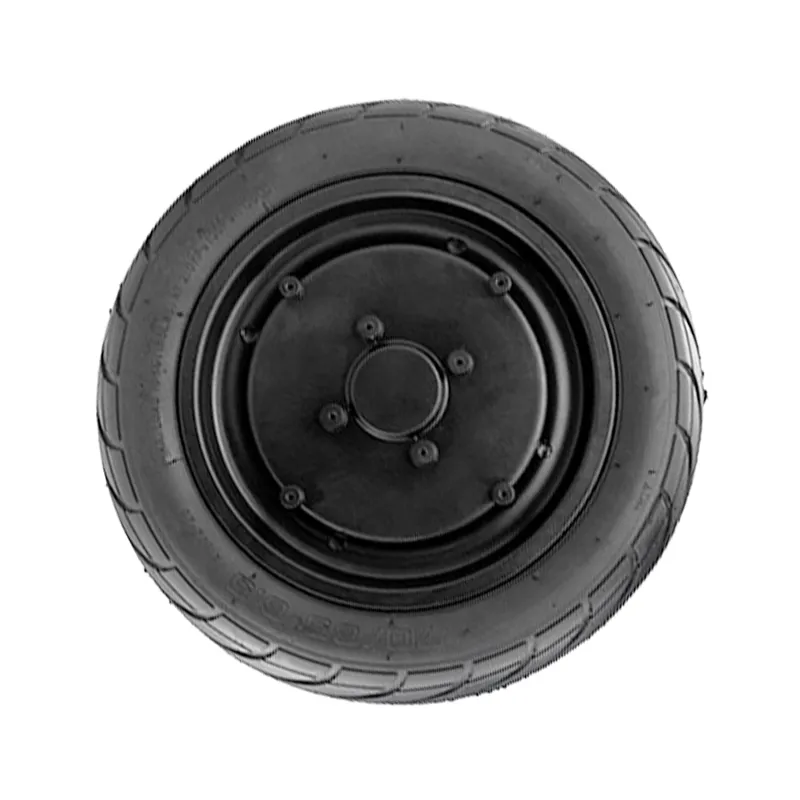
In the era of industrial miniaturization, the growing demand for compact, high-performance electric motors drives innovation in tight-space torque delivery. How can engineers reliably generate an impressive 30N·m torque within an ultra-small 5cm³ footprint? This deep dive explores the cutting-edge design principles behind compact permanent magnet synchronous servo motors (PMSMs), novel cooling methods, and integrated gear reduction mechanisms that together reconcile the tradeoff between size and power density. Practical insights, backed by real-world applications in packaging machinery, Automated Guided Vehicles (AGVs), and medical devices, provide engineers and purchasing professionals with a clear roadmap for optimized micro motor selection.
Traditionally, delivering torque beyond 20N·m required bulky designs that conflicted with modern industrial demands for compactness. Achieving 30N·m in just 5cm³ is an engineering feat considering physical constraints such as magnetic flux saturation, thermal dissipation, and mechanical robustness. Industries including packaging automation require miniaturized motors that do not compromise dynamic response and reliability.
The backbone of high torque density is meticulous motor structural design. Engineers leverage high-grade rare earth magnets such as Neodymium Iron Boron (NdFeB) with superior magnetic flux densities exceeding 1.3 Tesla to maximize magnetic field strength within minimal volumes.
State-of-the-art magnetic circuit topology optimizations—including skewed rotor poles and segmented stator laminations—reduce parasitic losses and magnetic saturation. In concert, winding architectures employing concentrated coils amplify current density within thermal limits.
These innovations enable torque densities surpassing 6 N·m/cm³, a threshold critical for meeting 30N·m in 5cm³ constraints.
High torque generation inevitably causes localized heating that threatens performance and lifespan. Advanced thermal management strategies become indispensable.
Using high thermal conductivity materials such as aluminum nitride or graphene-enhanced composites in stator housings significantly boosts passive heat dissipation. Yet, passive methods alone often fall short at extreme power densities.
Here, liquid cooling technologies offer a breakthrough. Integrated micro-channel liquid cooling systems circulating dielectric coolants maintain optimal motor temperatures without increasing size. This approach leads to sustained torque output and minimized thermal derating.
A crucial factor in maintaining compactness without sacrificing torque is integrating precision reduction gearing with the motor. Planetary or harmonic gearboxes tailored for miniature motors provide high reduction ratios (20:1 or greater) within a minimal footprint.
This integration relieves motor load, improves dynamic response, and reduces heat generation. Additionally, optimized gear materials such as hardened stainless steel or engineered polymers contribute to noise reduction and longevity.
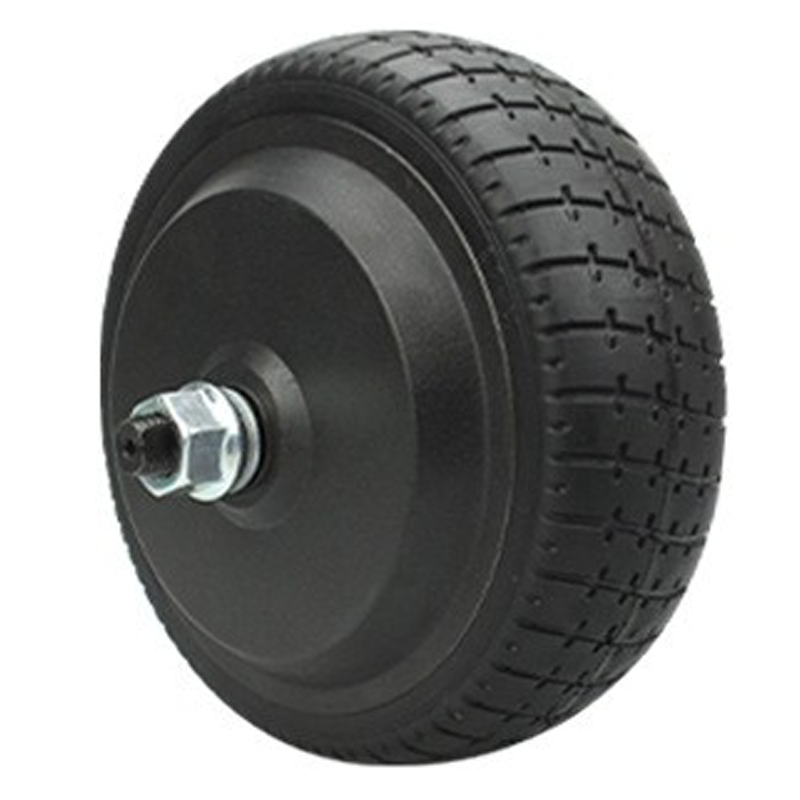
The practical value of these compact high torque motors is best illustrated through their deployment. In packaging machinery, motors must balance high load torque with rapid cycle times within confined actuator housings. AGV small vehicles rely on these motors for efficient, silent operation in factory floors, navigating tight aisle spaces.
Medical device applications—such as surgical robots or diagnostic equipment—demand not only compactness and torque but also minimal electromagnetic interference and ultra-smooth motion control. The technical solutions outlined address these multidimensional requirements.
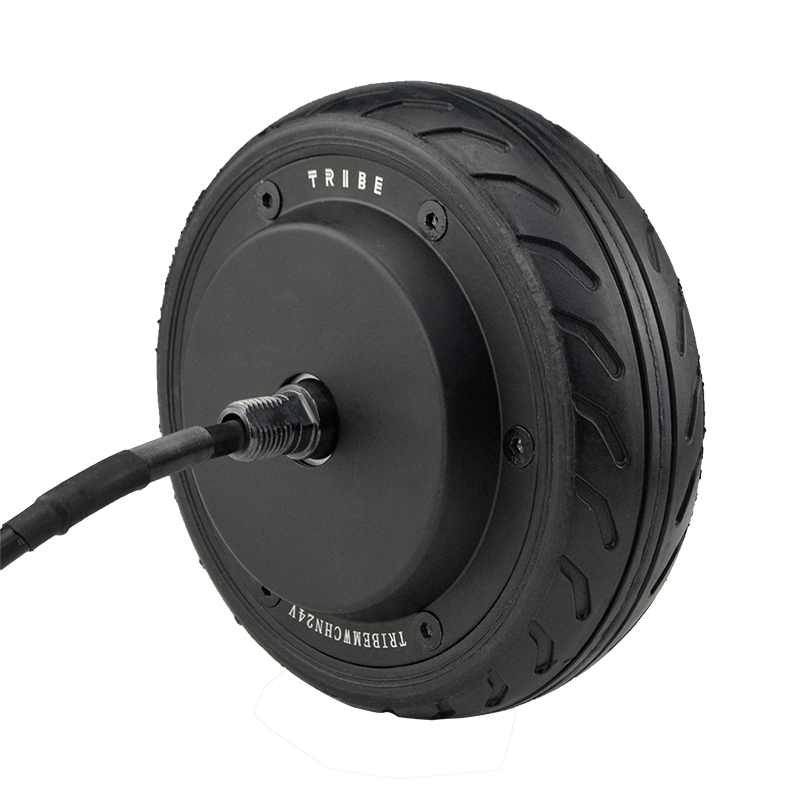
When selecting motors under severe spatial constraints, decision-makers should move beyond raw power metrics. Focus on torque density (N·m per unit volume) to better predict real-world performance. Avoid over-specification that increases cost and weight unnecessarily.
Complementing motor choice with compatible reduction systems is equally vital. A balanced combination that synergizes motor output with gearing optimizes energy efficiency, prolongs service intervals, and ensures smooth motion control.
Procurement professionals should also validate thermal management approaches. Prefer solutions with documented heat dissipation performance, including liquid cooling if high duty cycles are expected.
 70
|
70
|
 Kart motor and brake matching
Kart racing selection
High - torque motor
Quick - response disc brake
Scientific selection guide
65
|
HVAC motor standard dimensions
motor shaft diameter
flange size
equipment selection guide
HVAC system maintenance
88
|
HVAC custom motor sizing
motor shaft diameter matching
HVAC motor installation best practices
energy efficient HVAC motor selection
IEC motor efficiency class
256
|
kart motor matching
disc brake principles
high torque motor
brake disc size
kart racing performance
180
|
55mm short shaft go-kart motor
go-kart motor technology
short shaft vs long shaft motor
competitive karting powertrain
kart braking performance
Kart motor and brake matching
Kart racing selection
High - torque motor
Quick - response disc brake
Scientific selection guide
65
|
HVAC motor standard dimensions
motor shaft diameter
flange size
equipment selection guide
HVAC system maintenance
88
|
HVAC custom motor sizing
motor shaft diameter matching
HVAC motor installation best practices
energy efficient HVAC motor selection
IEC motor efficiency class
256
|
kart motor matching
disc brake principles
high torque motor
brake disc size
kart racing performance
180
|
55mm short shaft go-kart motor
go-kart motor technology
short shaft vs long shaft motor
competitive karting powertrain
kart braking performance



.png?x-oss-process=image/resize,h_100,m_lfit/format,webp)
.png?x-oss-process=image/resize,h_100,m_lfit/format,webp)
.png?x-oss-process=image/resize,h_100,m_lfit/format,webp)