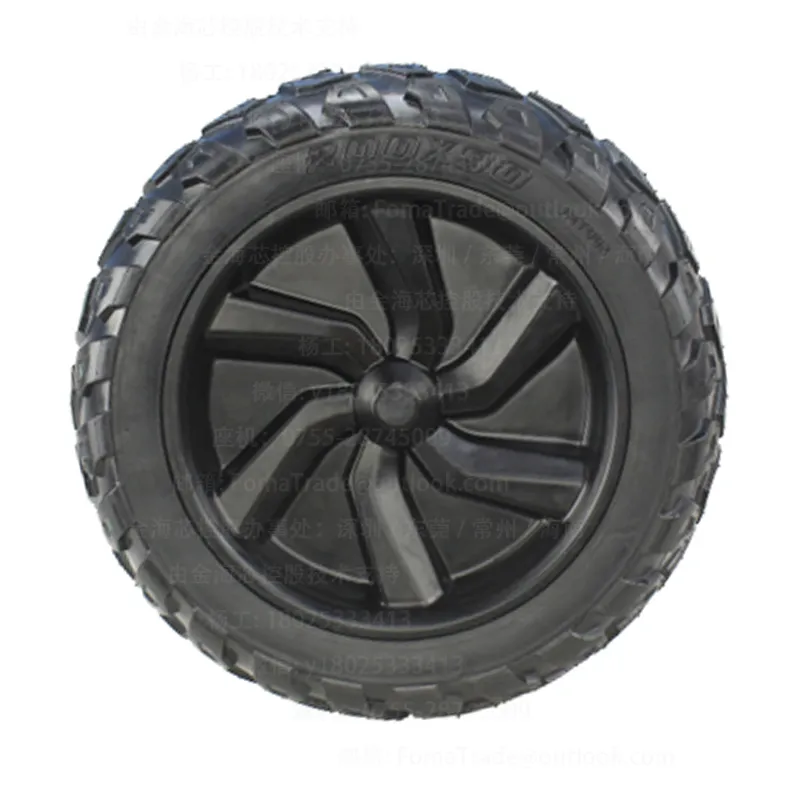
In the world of go - kart modification, many enthusiasts often chase after larger brake discs, assuming that bigger is always better. However, this blind pursuit can actually lead to compromised braking response and handling stability. In this guide, we'll take a scientific approach to help you make the right choices in go - kart brake system modification.
One of the most common issues go - kart drivers face is unstable cornering braking. Imagine you're in a high - speed race, approaching a sharp turn. If your brake system fails to respond accurately, it can result in overshooting the turn or even losing control of the kart. Many factors contribute to this problem, and one of them is improper brake disc selection.
Different use cases require different matches between motor torque and brake response. For example, in short - distance sprints, a high - torque motor can quickly accelerate the kart, but it also requires a brake system that can respond rapidly to slow it down. On the other hand, in endurance races, the balance between continuous power output and stable braking becomes crucial.
Here's an engineering perspective: high torque doesn't necessarily mean high power. The torque of a motor refers to its ability to generate rotational force, while power is a measure of how quickly it can do work. When matching a motor with a brake system, we need to consider both the steady - state torque and the transient torque characteristics of the motor.
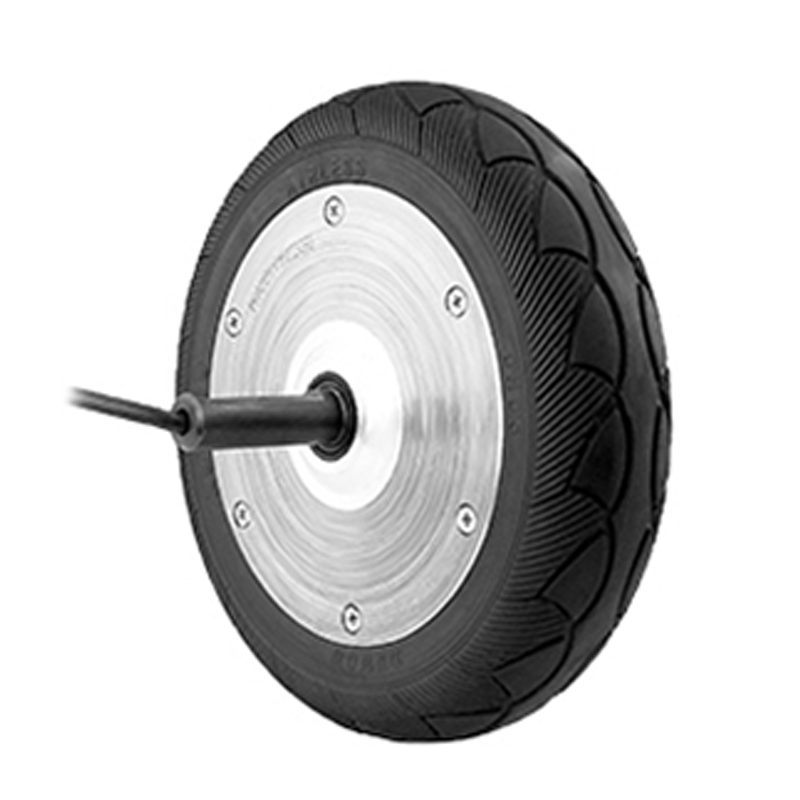
Let's take a closer look at the 55mm short - shaft + 213mm disc - brake structure. Based on real - track scenarios and actual test data, this combination has significant synergistic advantages. The short - shaft design reduces the inertia of the rotating parts, enabling the brake system to respond more quickly.
In a recent test, a go - kart equipped with this structure achieved a 15% reduction in braking distance compared to a kart with a traditional brake setup. This improvement not only enhances cornering control but also significantly improves safety on the track.
Many people think that larger brake discs can provide stronger braking force. However, this is a common misconception. As the size of the brake disc increases, so does its inertia. This means that more energy is required to accelerate and decelerate the disc, leading to a delayed braking response.
Here's a comparison table showing the impact of different brake disc diameters on braking time:
| Brake Disc Diameter | Braking Time (Seconds) |
|---|---|
| 180mm | 1.2 |
| 213mm | 1.0 |
| 250mm | 1.4 |
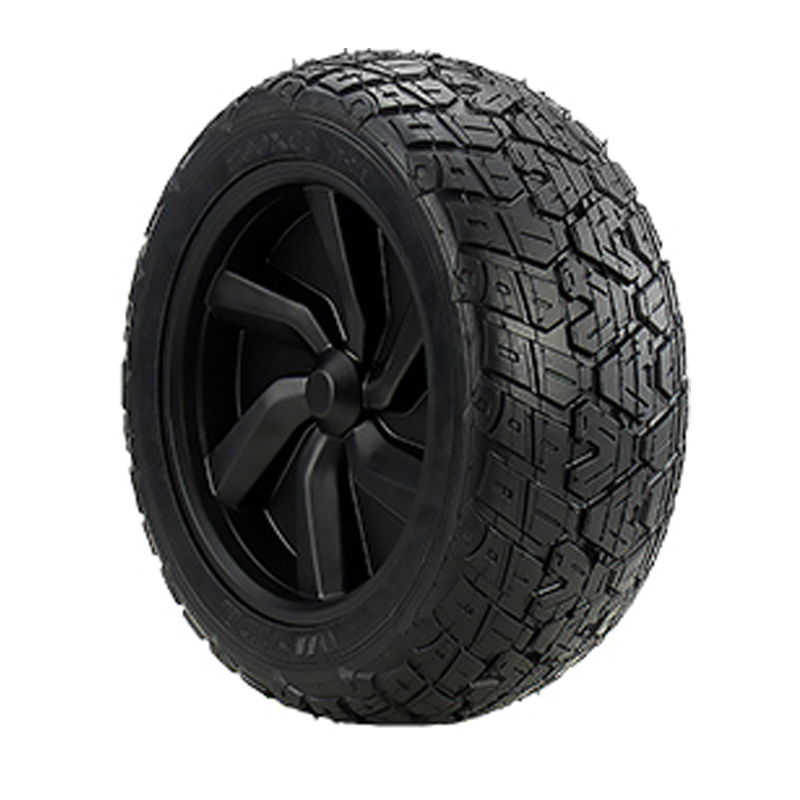
Let's look at a real - world example. A racing team was struggling with overheating brakes during long - distance races. After switching to the 55mm short - shaft + 213mm disc - brake structure, they noticed a significant improvement in temperature control. The brakes maintained a stable performance throughout the race, and the team's lap times improved by an average of 2 seconds.
"The change in our brake system was a game - changer for our team. We've seen a huge improvement in both performance and reliability," said the team coach.
Making the right choices in go - kart brake system modification requires a scientific approach. Whether you're a novice enthusiast or an experienced racing team coach, understanding the science behind brake disc selection can help you build a more accurate and efficient racing experience.
If you're interested in learning more about the perfect matching solutions for your go - kart, simply click here to get exclusive selection advice and take your racing performance to the next level.
 70
|
70
|
 Kart motor and brake matching
Kart racing selection
High - torque motor
Quick - response disc brake
Scientific selection guide
237
|
electric go-kart power system installation
electric motor tuning tutorial
go-kart motor troubleshooting
8-inch long-shaft motor customization
single-sided shaft motor assembly
229
|
8 inch disc brake kit
high torque motor kart
brake rotor size
kart braking efficiency
driving stability
430
|
karts brake system
8 inch brake disc
disc brake design
high torque motor
kart racing brake optimization
440
|
go-kart single-side press-fit
electric go-kart drive shafts
custom axle assemblies
go-kart bearing layouts
go-kart maintenance tips
Kart motor and brake matching
Kart racing selection
High - torque motor
Quick - response disc brake
Scientific selection guide
237
|
electric go-kart power system installation
electric motor tuning tutorial
go-kart motor troubleshooting
8-inch long-shaft motor customization
single-sided shaft motor assembly
229
|
8 inch disc brake kit
high torque motor kart
brake rotor size
kart braking efficiency
driving stability
430
|
karts brake system
8 inch brake disc
disc brake design
high torque motor
kart racing brake optimization
440
|
go-kart single-side press-fit
electric go-kart drive shafts
custom axle assemblies
go-kart bearing layouts
go-kart maintenance tips


.png?x-oss-process=image/resize,h_100,m_lfit/format,webp)
.png?x-oss-process=image/resize,h_100,m_lfit/format,webp)
.png?x-oss-process=image/resize,h_100,m_lfit/format,webp)