

In the quest for greener and more cost-effective building operations, high-efficiency motors have emerged as a pivotal technology in HVAC (Heating, Ventilation, and Air Conditioning) systems. These motors not only comply with stringent global energy standards but also deliver substantial reductions in electricity consumption—key drivers for achieving today’s low-carbon targets. This article dives deep into how high-efficiency motors optimize performance, reduce operational expenses, and simplify maintenance across diverse HVAC applications.
High-efficiency motors are designed to meet and often exceed international standards such as the IEC 60034-30-1 and NEMA Premium efficiency classifications. Key parameters include:
Adherence to electric motor energy efficiency grades ensures compatibility with evolving environmental policies and incentivizes facility upgrades.
The performance benefits of high-efficiency motors are most pronounced under varying load conditions frequently encountered in commercial buildings and industrial plants. According to multiple case studies, these motors can reduce energy consumption by 12-20% relative to conventional models, depending on operational duty cycles.
For example, in commercial office towers with partial load ventilation systems, the variable torque performance of advanced motor designs results in immediate kilowatt-hour savings without compromising air quality or occupant comfort.
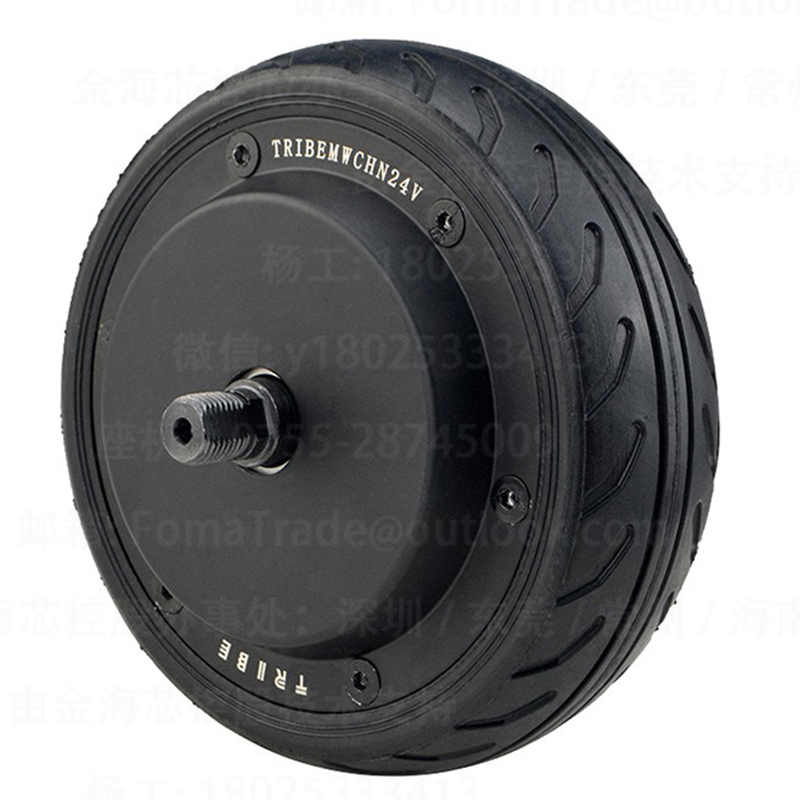
Using standard dimension motors simplifies installation and ongoing maintenance through several critical factors:
A recent retrofit in a metropolitan commercial complex demonstrated that upgrading to high-efficiency motors in HVAC equipment yielded annual electricity savings exceeding 15%. This translated to a direct operational cost reduction upwards of $50,000 while improving system reliability and extending motor service intervals.
"Are the motors in your current HVAC systems delivering optimum efficiency?"
Engineering the right motor selection requires careful consideration of key factors:
The integration of these parameters ensures optimized efficiency, longevity, and maintainability.
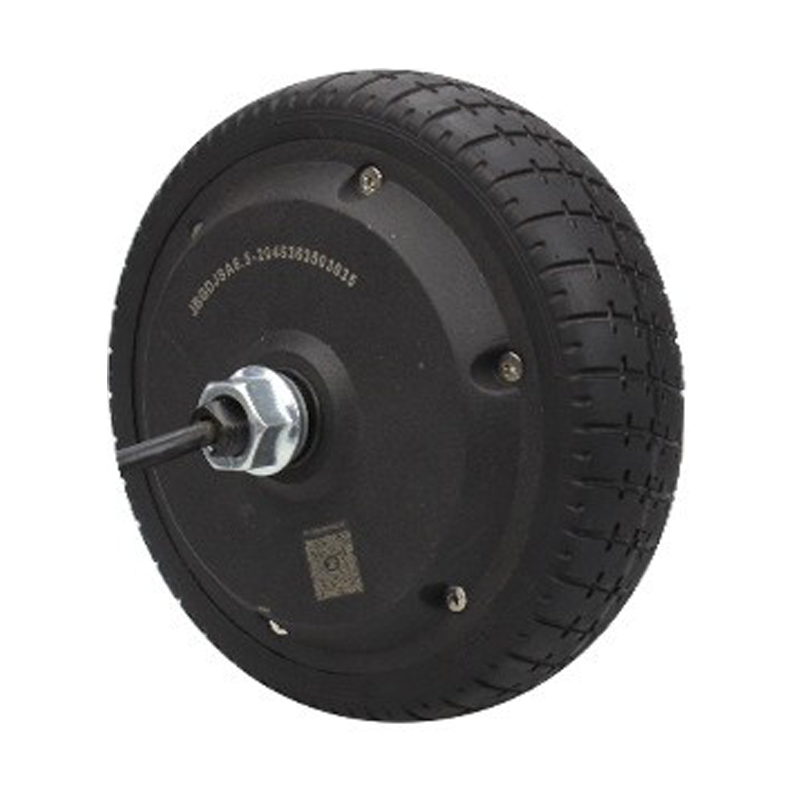
Maintaining high-efficiency motors correctly maximizes energy savings and reliability:
Reinforcing these steps enhances user confidence in system uptime and performance.
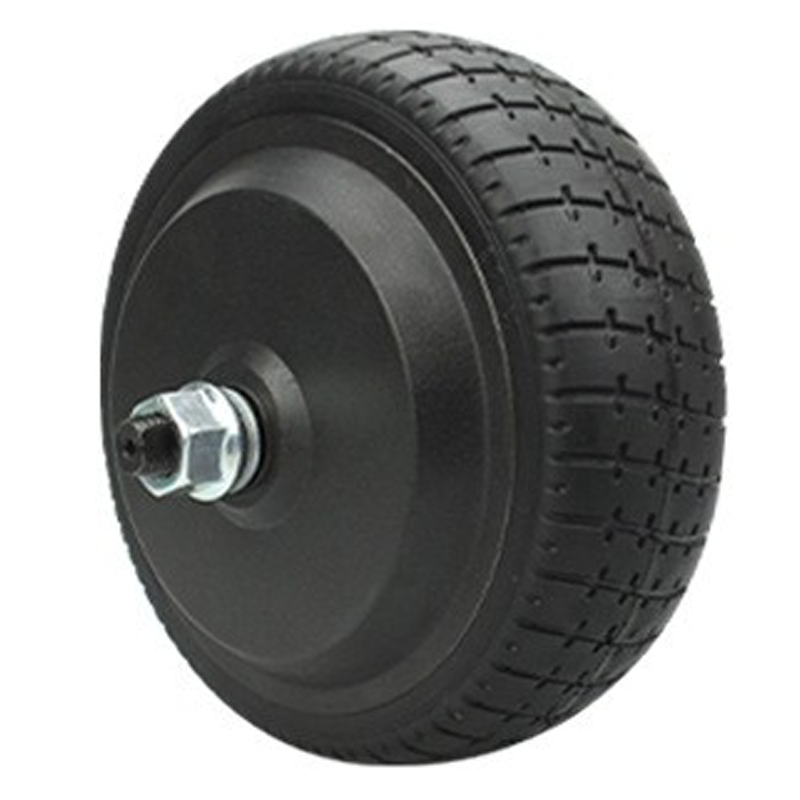
 389
|
389
|
 84mm tire width
small go-kart tires
electric scooter tire width
tire traction performance
8-inch long shaft motor
342
|
batch motor procurement
go-kart assembly efficiency
long shaft motor installation guide
industrial motor customization
reduce motor rework rate
385
|
8-inch long shaft motor
200mm hub fitting
single-sided press-fit structure
motor modification for go-karts
power transmission efficiency
458
|
go-kart axle assembly techniques
single-sided press-fit axle advantages
electric go-kart power transmission efficiency
go-kart stability improvement
custom tire and axle kits
494
|
HVAC motor customization
shaft diameter matching
motor mounting structure
industrial motor selection
bulk motor customization
84mm tire width
small go-kart tires
electric scooter tire width
tire traction performance
8-inch long shaft motor
342
|
batch motor procurement
go-kart assembly efficiency
long shaft motor installation guide
industrial motor customization
reduce motor rework rate
385
|
8-inch long shaft motor
200mm hub fitting
single-sided press-fit structure
motor modification for go-karts
power transmission efficiency
458
|
go-kart axle assembly techniques
single-sided press-fit axle advantages
electric go-kart power transmission efficiency
go-kart stability improvement
custom tire and axle kits
494
|
HVAC motor customization
shaft diameter matching
motor mounting structure
industrial motor selection
bulk motor customization
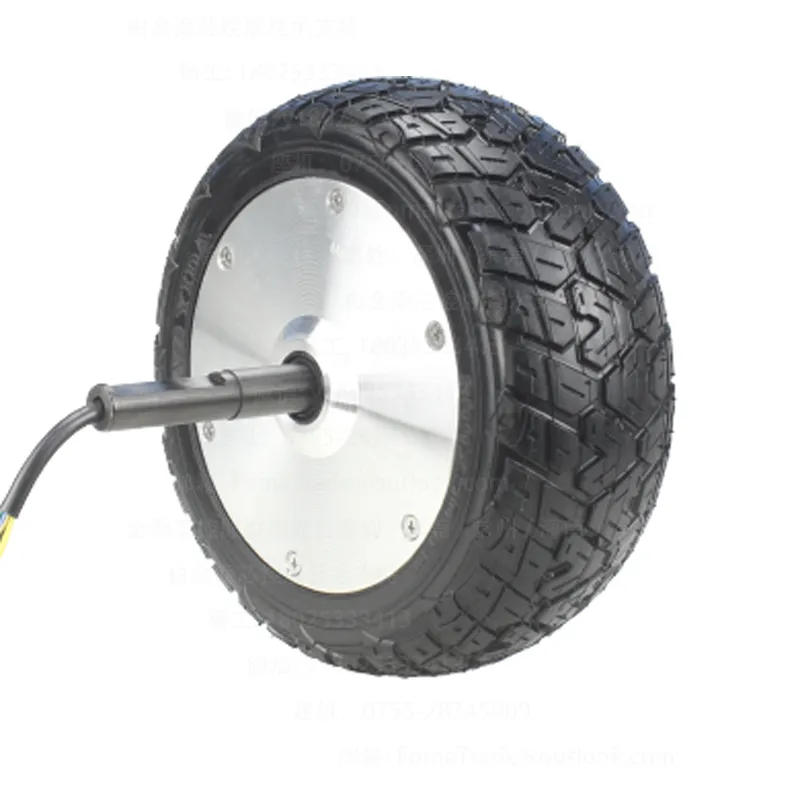


.png?x-oss-process=image/resize,h_100,m_lfit/format,webp)
.png?x-oss-process=image/resize,h_100,m_lfit/format,webp)
.png?x-oss-process=image/resize,h_100,m_lfit/format,webp)


