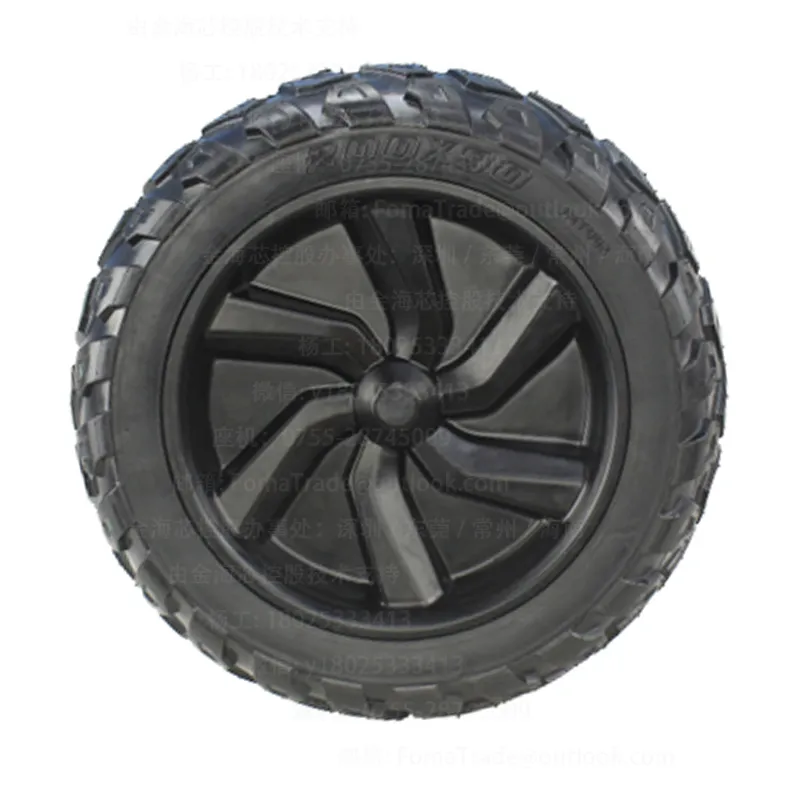
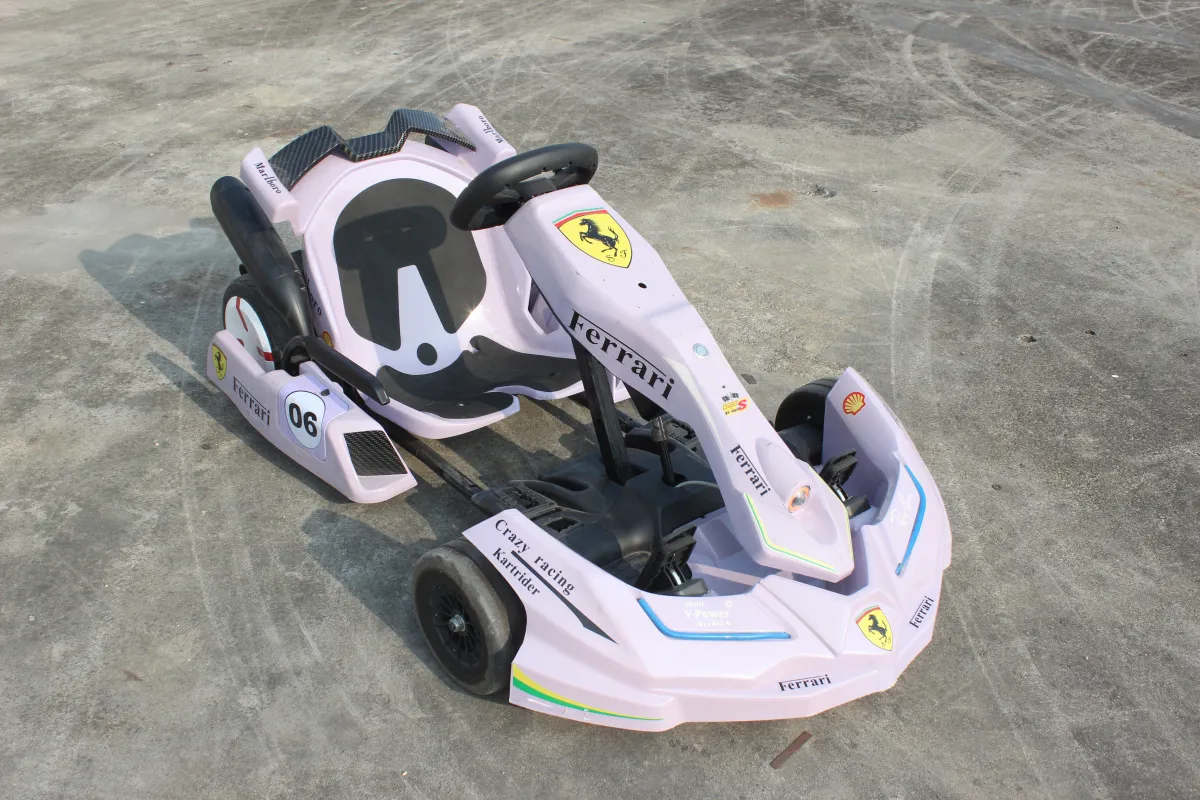
In competitive kart racing, every fraction of a second counts. The way power transfers from the motor to the wheels significantly impacts handling precision and overall racing performance. The single-sided clamping shaft design has emerged as a technological advancement that top-tier drivers increasingly trust. WWTrade’s WINAMICS 8.5-inch short shaft motor leverages this design, optimizing torque delivery while minimizing drive train side forces that can compromise stability.
Unlike traditional dual-sided shafts, which clamp the motor on both ends, the single-sided clamping shaft supports the motor's input through one robust clamping point. This configuration enables:
The core mechanism hinges on reducing drive-side lateral load. Dual-sided shaft designs introduce opposing clamping forces, which can create micro-bindings and uneven friction during rapid directional changes or pit stops. Conversely, single-side clamping yields a more compliant shaft support that absorbs and redistributes side forces efficiently.
This structural difference significantly affects the kart’s dynamic balance. Dynamic simulations indicate that karts equipped with single-sided clamping exhibit a 15% increase in cornering stability under variable load conditions. This directly translates into more precise driver input feedback and smoother transition through frequent bends.
| Criterion | Dual-Sided Shaft | Single-Sided Clamping Shaft |
|---|---|---|
| Vibration Dampening | Moderate, risk of resonance if misaligned | Enhanced, less susceptibility to shaft vibrations |
| Installation Precision | High complexity, prone to errors causing offsets | Simplified alignment, reducing eccentricity risks |
| Maintenance Complexity | Higher due to multiple clamping points | Lower, streamlined clamping reduces wear points |
Independent testing by race engineers at leading kart circuits shows that karts retrofitted with the WINAMICS 8.5-inch single-sided clamping motor cut lap time variability by 8% on circuits characterized by frequent rapid turns and short straightaways.
Feedback from professional drivers highlights smoother steering feel and decreased mechanical feedback—attributes linked to lowered drive shaft play. For instance, the average driver-reported jitter or “motor shake” incidents dropped by approximately 25% post-upgrade.
Despite evident advantages, improper installation can undermine performance gains. Typical errors include:
Interactive question: Have you ever experienced unexpected motor vibration or instability traced back to installation errors? Careful adherence to calibration procedures is crucial.
Single-sided clamping shaft design shines in racetrack layouts demanding rapid transitions between acceleration and sharp cornering. It excels in:
 483
|
483
|
 8 inch wheel hub motor
wheel hub motor cooling efficiency
electric mobility motor optimization
wheel diameter effect on range
tire width and motor performance
237
|
electric go-kart power system installation
electric motor tuning tutorial
go-kart motor troubleshooting
8-inch long-shaft motor customization
single-sided shaft motor assembly
200
|
HVAC motor customization
motor shaft diameter matching
motor mounting types
HVAC motor selection guide
custom motor specification checklist
458
|
go-kart axle assembly techniques
single-sided press-fit axle advantages
electric go-kart power transmission efficiency
go-kart stability improvement
custom tire and axle kits
338
|
kart brake disc upgrade
8 inch brake rotor
disc brake system
short wheelbase kart
braking efficiency optimization
8 inch wheel hub motor
wheel hub motor cooling efficiency
electric mobility motor optimization
wheel diameter effect on range
tire width and motor performance
237
|
electric go-kart power system installation
electric motor tuning tutorial
go-kart motor troubleshooting
8-inch long-shaft motor customization
single-sided shaft motor assembly
200
|
HVAC motor customization
motor shaft diameter matching
motor mounting types
HVAC motor selection guide
custom motor specification checklist
458
|
go-kart axle assembly techniques
single-sided press-fit axle advantages
electric go-kart power transmission efficiency
go-kart stability improvement
custom tire and axle kits
338
|
kart brake disc upgrade
8 inch brake rotor
disc brake system
short wheelbase kart
braking efficiency optimization





.png?x-oss-process=image/resize,h_100,m_lfit/format,webp)
.png?x-oss-process=image/resize,h_100,m_lfit/format,webp)
.png?x-oss-process=image/resize,h_100,m_lfit/format,webp)