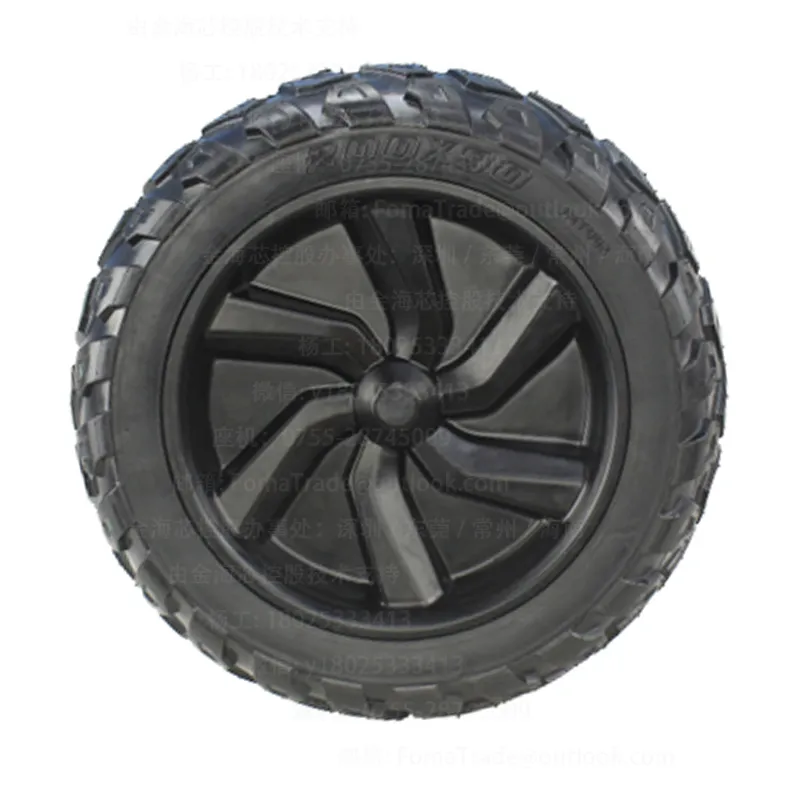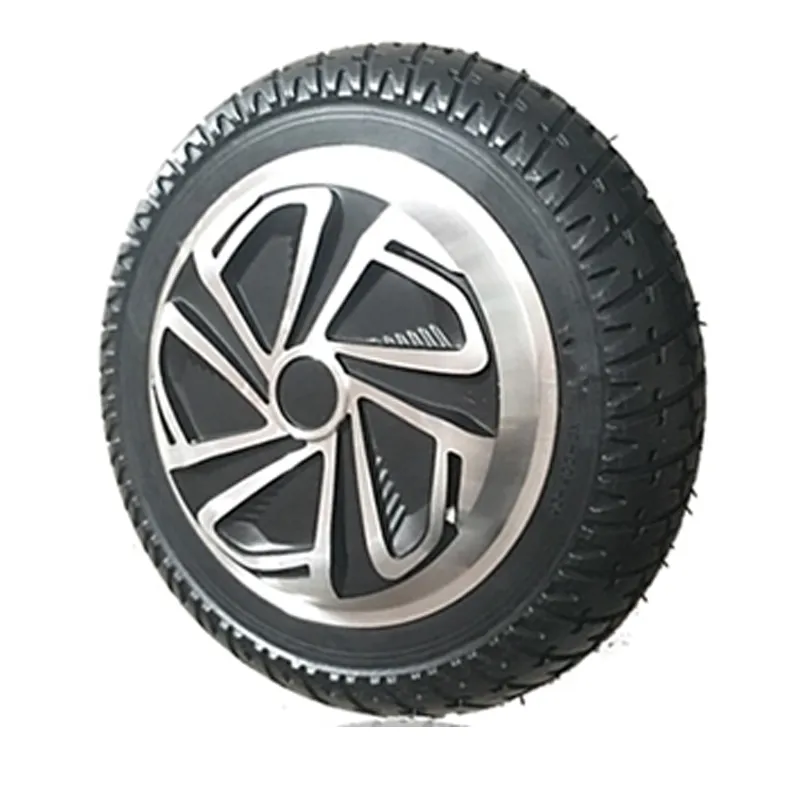
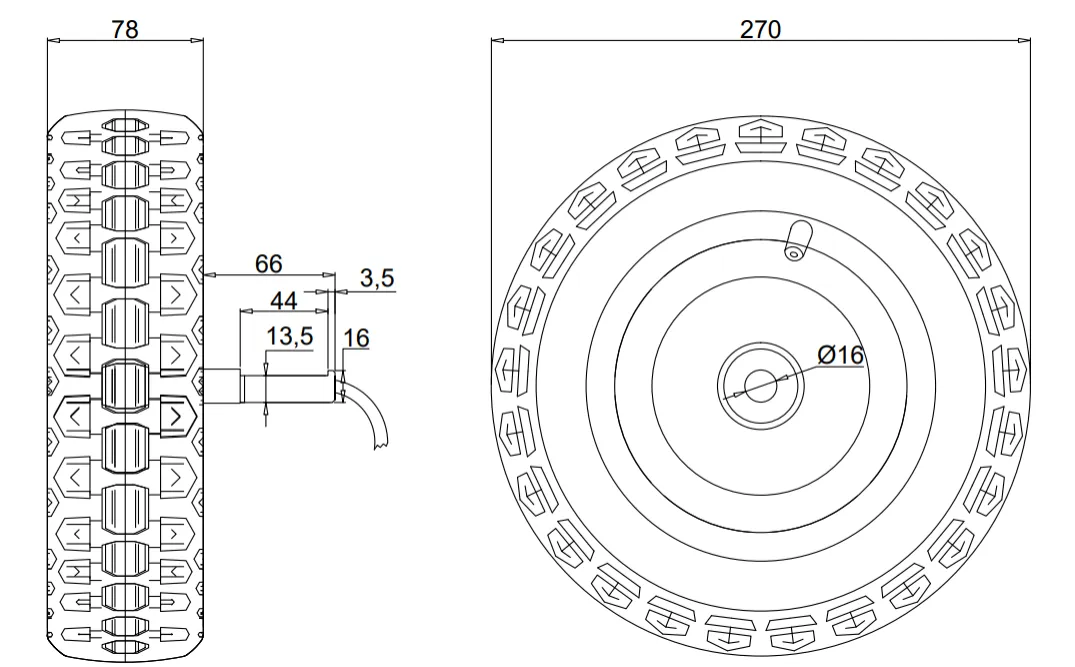
In high-performance karting, where milliseconds matter and control defines victory, the choice of braking system isn’t just about stopping power—it’s about precision, stability, and confidence. For karts equipped with high-torque electric motors (typically 1500W–3000W), standard brake setups often fall short under aggressive acceleration and deceleration cycles. That’s why 8-inch disc brake systems—especially those featuring a 213mm diameter x 83mm width rotor—are becoming the benchmark in professional racing circles.
A 213mm rotor offers significantly more surface area than traditional 7-inch units—about 27% more thermal mass—which means better heat dissipation during repeated hard braking. In real-world track testing, this translates to up to 18% longer pad life and consistent pedal feel even after 10+ laps. The 83mm width further enhances rigidity, reducing flex that can cause uneven wear or reduced responsiveness—a critical factor when driving on tight circuits like those found in FIA-sanctioned events.
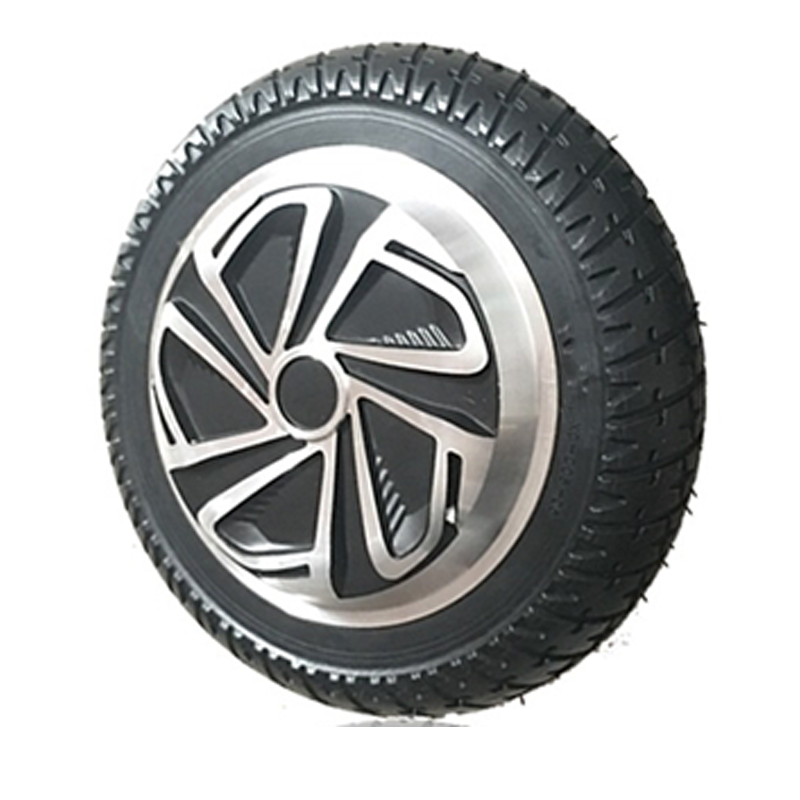
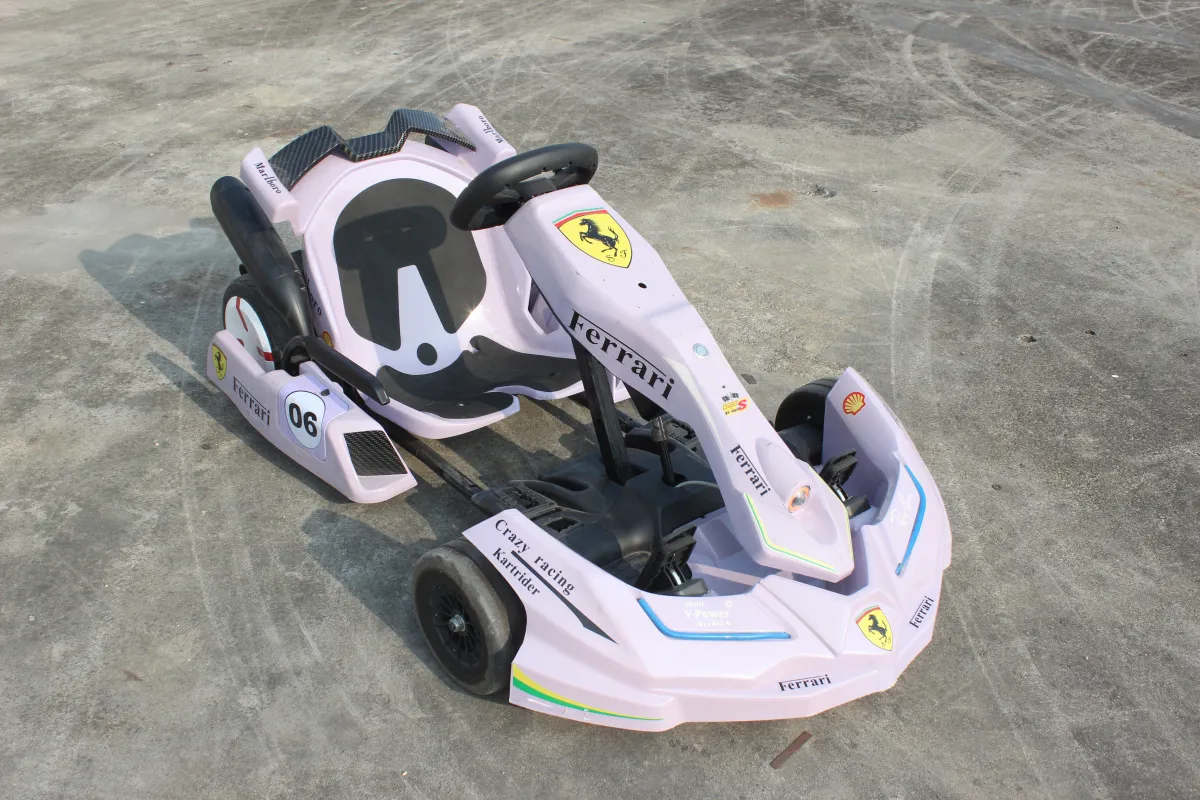
Karts with short wheelbases (under 1100mm) are inherently more agile—but also more sensitive to weight transfer. A single-sided caliper setup (like our ProRide 8” Dual-Piston Caliper) reduces unsprung mass by ~15% compared to dual-sided designs, allowing quicker response to driver inputs. Combined with optimized rotor placement, it minimizes front-end dive during heavy braking, improving corner entry consistency by up to 12% according to telemetry data from the 2023 Asia Karting Championship.
At the Dutch Kart Cup last season, a team using our 8-inch brake kit reported a 0.7-second improvement in lap time over two sessions—not due to faster speeds, but because of increased confidence in late braking zones. Drivers noted that the system allowed them to carry more speed into corners without fear of lockup, especially on damp sections where grip is unpredictable. This kind of performance gain doesn’t come from guesswork—it comes from engineering tailored to high-torque dynamics.
Pro Tip: Always match your brake bias (front/rear) to your motor torque curve. With high-torque motors, shift 5–10% more load to the front brakes to maintain balance through mid-corner transitions.
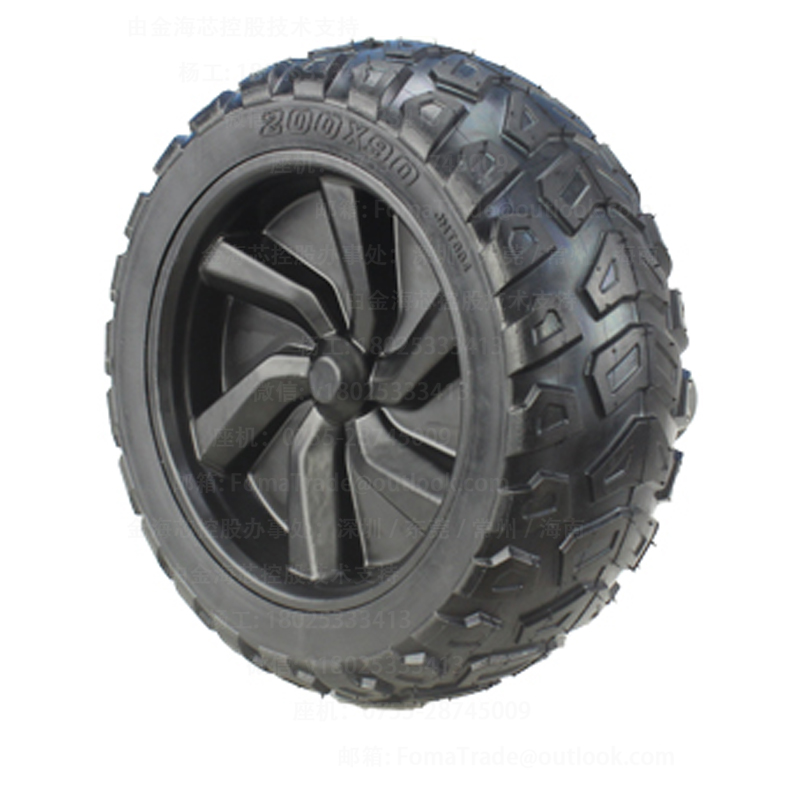
Whether you're tuning a club-level kart or preparing for international competition, understanding how brake geometry interacts with motor output is essential. It's not just about stopping—it's about controlling every phase of the drive cycle, from launch to apex to exit.
Explore our full range of high-torque-compatible disc brake kits—including custom rotor profiles, lightweight calipers, and alignment tools—for race-ready setups.
Get Your Custom Brake Solution Today 265
|
265
|
 wheel hub motor maintenance
motor bearing wear prevention
long shaft motor installation
single side press fit design
electric vehicle motor reliability
458
|
go-kart axle assembly techniques
single-sided press-fit axle advantages
electric go-kart power transmission efficiency
go-kart stability improvement
custom tire and axle kits
395
|
Kart braking system
Short wheelbase braking stability
Disc - brake design
High - torque motor
Kart driving optimization
338
|
kart brake disc upgrade
8 inch brake rotor
disc brake system
short wheelbase kart
braking efficiency optimization
440
|
go-kart single-side press-fit
electric go-kart drive shafts
custom axle assemblies
go-kart bearing layouts
go-kart maintenance tips
wheel hub motor maintenance
motor bearing wear prevention
long shaft motor installation
single side press fit design
electric vehicle motor reliability
458
|
go-kart axle assembly techniques
single-sided press-fit axle advantages
electric go-kart power transmission efficiency
go-kart stability improvement
custom tire and axle kits
395
|
Kart braking system
Short wheelbase braking stability
Disc - brake design
High - torque motor
Kart driving optimization
338
|
kart brake disc upgrade
8 inch brake rotor
disc brake system
short wheelbase kart
braking efficiency optimization
440
|
go-kart single-side press-fit
electric go-kart drive shafts
custom axle assemblies
go-kart bearing layouts
go-kart maintenance tips


.png?x-oss-process=image/resize,h_100,m_lfit/format,webp)
.png?x-oss-process=image/resize,h_100,m_lfit/format,webp)
.png?x-oss-process=image/resize,h_100,m_lfit/format,webp)