

When it comes to HVAC systems, every component plays a critical role in overall performance. Among these, the custom motor stands as the unsung hero that determines not just how well your system works, but also how much it costs to operate. Choosing the right size HVAC custom motor isn't just a technical detail—it's a decision that impacts energy efficiency, system longevity, and operational costs for years to come.
Many facility managers and engineers underestimate the importance of proper motor sizing, often assuming that "bigger is better" when it comes to HVAC components. However, industry data tells a different story. According to the Air-Conditioning, Heating, and Refrigeration Institute (AHRI), incorrectly sized motors can reduce system efficiency by up to 30%, while increasing energy consumption by 15-25% compared to optimally sized units.
"Oversized motors not only waste energy but also experience increased wear and tear due to frequent cycling and inefficient operation. Conversely, undersized motors struggle to meet load demands, leading to overheating and premature failure." — Dr. James Wilson, HVAC Systems Engineer at the International Energy Agency
Beyond efficiency concerns, improper motor sizing directly affects noise levels and maintenance requirements. A mismatched motor often operates at suboptimal speeds, creating annoying vibrations and increasing the likelihood of component failure. In commercial settings, this can translate to increased downtime, higher repair costs, and even potential disruptions to business operations.
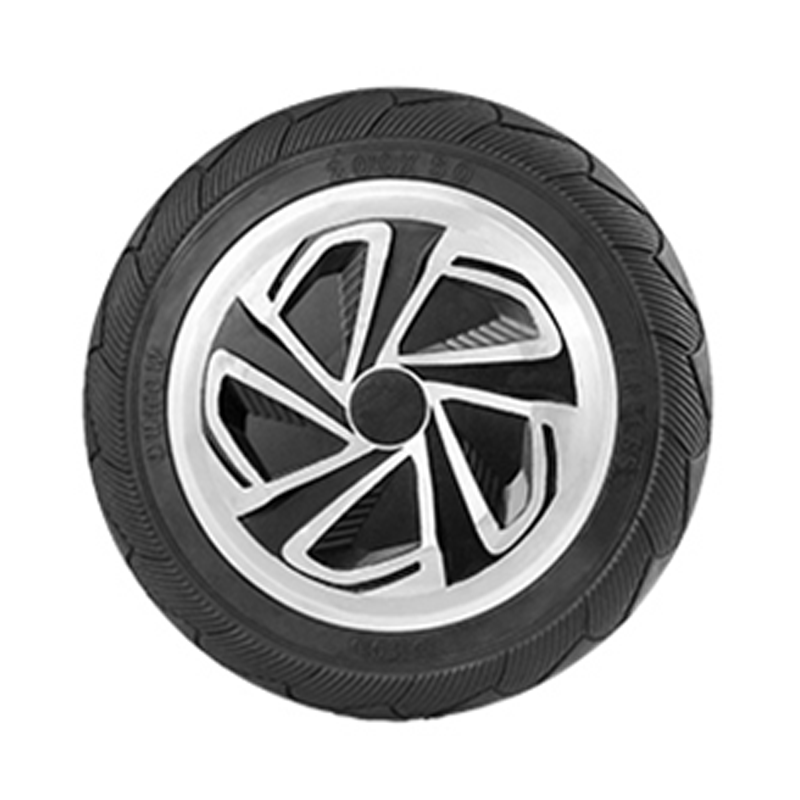
Proper motor sizing begins with a comprehensive analysis of your specific HVAC system requirements. This involves three critical measurements:
Industry standards such as IEEE 841 for severe duty motors and NEMA MG 1 provide guidelines for proper motor selection based on these factors. Utilizing specialized software tools like motor sizing calculators can help eliminate guesswork and ensure precise matching between motor capabilities and system requirements.

Misalignment between motor shaft and driven equipment is a leading cause of premature motor failure. Even a misalignment of just 0.001 inches can create excessive radial loads, leading to bearing damage and increased vibration. Using laser alignment tools during installation ensures proper concentricity and parallelism, extending motor life by up to 300% in some cases.
The mounting base must be rigid enough to absorb operational vibrations without transferring them to the surrounding structure. Engineers recommend using vibration-dampening materials and ensuring all mounting bolts are torqued to manufacturer specifications. In industrial settings, spring isolators or neoprene pads can further reduce vibration transmission and noise levels.
Proper heat dissipation is crucial for motor longevity. According to NFPA 70 (National Electrical Code), motors operating at temperatures 10°C above their rated maximum can experience a 50% reduction in insulation life. Ensure adequate clearance around the motor for airflow, and consider auxiliary cooling systems for high-temperature environments or continuous-duty applications.
While often overlooked during installation, accessibility directly impacts long-term maintenance costs. Design your motor installation with adequate space for routine inspections, lubrication, and potential replacement. This forward-thinking approach can reduce maintenance downtime by up to 40% over the motor's operational life.
Even experienced professionals can fall prey to common motor sizing pitfalls. Recognizing these issues before installation can save significant time and resources:
| Common Mistake | Potential Consequences | Solution |
|---|---|---|
| Oversizing for "future expansion" | 20-30% higher energy costs, increased noise, reduced power factor | Conduct load analysis based on current requirements with modular design for future growth |
| Ignoring ambient temperature factors | Motor overheating, premature insulation failure | Derate motor capacity by 2.5% for every 3°C above 40°C operating temperature |
| Matching only horsepower rating | Poor efficiency, improper speed control, increased wear | Match torque curve, speed characteristics, and efficiency profile to application requirements |
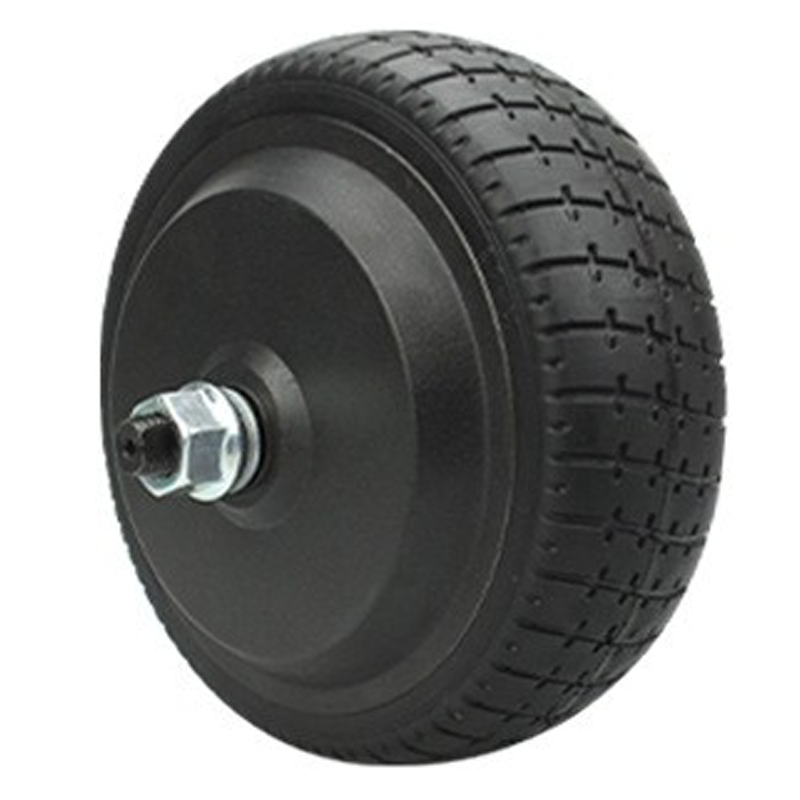
A mid-sized manufacturing facility in Ohio was struggling with escalating energy costs and frequent HVAC system breakdowns. Their existing rooftop units were equipped with standard motors that had been oversized during the initial installation 15 years prior. After conducting a comprehensive energy audit, engineers discovered that the facility was consuming approximately 40% more energy than necessary for their HVAC operations.
The solution involved replacing the oversized standard motors with properly sized custom HVAC motors featuring variable frequency drives (VFDs). The new motors were precisely matched to the actual load requirements of each system, considering seasonal variations and production schedules. Within the first year of installation, the facility documented:
The project achieved full ROI in just 14 months through energy savings alone, not including the additional benefits of reduced maintenance and improved working conditions.
Our team of HVAC motor specialists can help you select the perfect custom motor solution for your specific application, ensuring maximum efficiency, reduced energy costs, and extended equipment life.
Get Your Custom HVAC Motor Recommendation TodayOur experts will analyze your system requirements and provide a no-obligation efficiency improvement proposal
The right motor selection transforms your HVAC system from a necessary expense into a strategic asset that reduces operational costs while improving performance. By following these scientific sizing and installation principles, you'll ensure your system operates at peak efficiency for years to come. Remember that each HVAC application has unique requirements—what works for one facility may not be optimal for another. Taking the time to properly analyze and match your motor to your specific needs will pay dividends in energy savings, reliability, and system longevity.
 70
|
70
|
 Kart motor and brake matching
Kart racing selection
High - torque motor
Quick - response disc brake
Scientific selection guide
468
|
kart motor torque matching
brake response speed
disc brake design
short axle kart setup
kart performance optimization
273
|
Hub motor maintenance
Motor fault solutions
Unilateral pressure shaft design
Motor structure optimization
Hub motor failure rate
237
|
electric go-kart power system installation
electric motor tuning tutorial
go-kart motor troubleshooting
8-inch long-shaft motor customization
single-sided shaft motor assembly
440
|
go-kart single-side press-fit
electric go-kart drive shafts
custom axle assemblies
go-kart bearing layouts
go-kart maintenance tips
Kart motor and brake matching
Kart racing selection
High - torque motor
Quick - response disc brake
Scientific selection guide
468
|
kart motor torque matching
brake response speed
disc brake design
short axle kart setup
kart performance optimization
273
|
Hub motor maintenance
Motor fault solutions
Unilateral pressure shaft design
Motor structure optimization
Hub motor failure rate
237
|
electric go-kart power system installation
electric motor tuning tutorial
go-kart motor troubleshooting
8-inch long-shaft motor customization
single-sided shaft motor assembly
440
|
go-kart single-side press-fit
electric go-kart drive shafts
custom axle assemblies
go-kart bearing layouts
go-kart maintenance tips


.png?x-oss-process=image/resize,h_100,m_lfit/format,webp)
.png?x-oss-process=image/resize,h_100,m_lfit/format,webp)
.png?x-oss-process=image/resize,h_100,m_lfit/format,webp)


