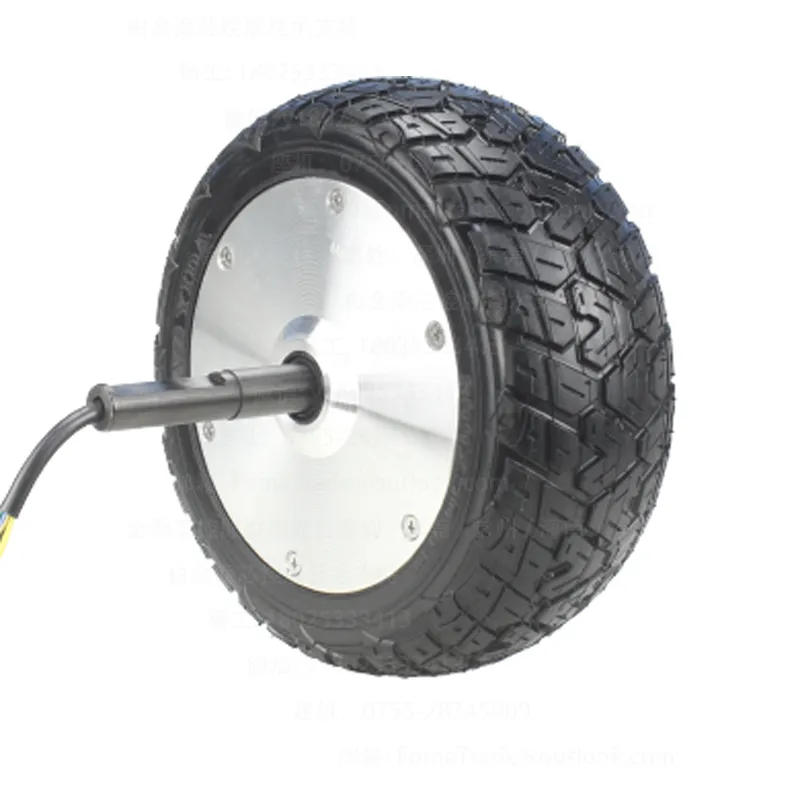
In HVAC retrofits and OEM builds, motor “size” is often treated as a mechanical constraint—frame, shaft, mounting holes. In practice, motor size is a performance variable that directly shapes system efficiency, sound level, reliability, and total energy consumption. A motor that is slightly mismatched can push fans out of their best efficiency point, amplify vibration, raise winding temperature, and shorten bearing life.
For engineering teams and procurement decision-makers, a disciplined sizing process reduces commissioning risk and typically unlocks measurable savings. In commercial air-handling applications, fan energy can represent 30–60% of HVAC electrical use, and motor/fan mismatches frequently add 5–15% avoidable kWh due to slip, poor loading, and control losses.
A properly sized motor typically operates around 60–90% of rated load under normal duty. Oversizing may keep current low but often reduces efficiency at part load and increases fixed losses (iron and windage). Undersizing raises current and winding temperature; every 10°C increase in winding temperature can reduce insulation life by roughly 50% in many real-world duty cycles.
Noise complaints are frequently “installation problems” that start with size mismatch: incorrect shaft extension, poor concentricity, or a mounting face that doesn’t support the motor mass correctly. Even small misalignment can raise vibration velocity beyond common field targets (often < 4.5 mm/s RMS for many HVAC rotating assets), accelerating bearing wear and increasing tonal noise.
A motor that forces a belt ratio change, alters sheave geometry, or requires non-ideal VFD operation can drag the entire system off its intended operating point. For variable-air-volume systems, moving from “throttling + oversized motor” to “right-sized motor + VFD” can yield 20–40% fan energy reduction depending on operating hours and turndown.
Dimension fit is only half the story. Confirm the duty point using fan/pump data and the control method:
Industry note (reference): Many HVAC projects specify motors aligned to recognized efficiency classes (e.g., IEC efficiency categories) and require documentation of duty point, temperature rise, and insulation class to reduce operational risk in continuous service.
Axial offset / poor alignment: leads to vibration, belt tracking issues, and premature bearing failure. Use alignment tools and re-check after tightening.
Insufficient cooling clearance: crowding the motor reduces airflow over the frame and raises temperature. Maintain clearance and avoid blocking fan covers or vents.
Under-torqued fasteners: causes micro-movement and fretting; over-torquing can distort feet/flanges. Apply torque per fastener grade and mounting design.
Wrong sheave/coupling fit: keyway mismatch or excessive overhang increases shaft bending. Confirm hub length and proper fit class.
In hot mechanical rooms or rooftop units, thermal margin becomes a selection criterion. Prioritize motor designs that support heat rejection (frame surface area, airflow path), specify appropriate insulation class, and validate that the enclosure (e.g., TEFC-style designs) suits dust and moisture exposure without trapping heat. When using VFDs, ensure correct switching frequency and cable practices to limit additional heating and electrical stress.
| Sizing Item | What to Verify | Practical Field Guidance |
|---|---|---|
| Shaft diameter & keyway | Micrometer reading, keyway dimensions, hub fit | Measure at multiple points; avoid forcing couplings; confirm key seating depth |
| Mounting pattern | Foot holes or flange pilot, bolt access | Check clearance for tools and future maintenance; ensure flat seating surface |
| Power & speed | Fan duty point, operating hours, turndown | Target 60–90% typical load; validate across seasons and control modes |
| Thermal environment | Ambient temperature, airflow path, enclosure | Protect cooling airflow; derate when ambient is high or ventilation is limited |
| VFD integration | Insulation system, cable length, EMC needs | Confirm VFD-ready design; consider filters for long leads and sensitive sites |
In a large venue air-handling retrofit, the original motor was replaced with a “safe” oversized unit after repeated complaints about belt noise and temperature rise. A re-check of shaft geometry, mounting stiffness, and the real duty point showed the fan ran most hours at part load. A correctly sized high-efficiency motor, paired with improved alignment and VFD tuning, reduced fan energy by approximately 18% over the next cooling season and lowered vibration readings into an acceptable maintenance range. The biggest win was stability: fewer belt adjustments and fewer nuisance shutdowns.
In an industrial HVAC upgrade with higher dust exposure and elevated ambient temperature, the motor selection prioritized thermal headroom, enclosure suitability, and maintenance access. After right-sizing and improving cooling clearance, motor surface temperatures dropped by roughly 8–12°C in peak conditions, supporting longer bearing life and reducing unplanned stops during high-production months.
Procurement takeaway: When vendors quote a “replacement motor,” require a dimensional drawing plus a duty-point validation sheet (speed, torque/load curve assumptions, efficiency class, thermal limits). This makes bids comparable and reduces hidden lifecycle cost.

Many regions increasingly align procurement with IEC-based efficiency classifications and documentation practices. For buyers, specifying an efficiency class is useful, but it should be paired with application proof—operating point, control range, and thermal environment—so the project achieves real savings rather than theoretical nameplate performance.
Modern HVAC motor programs increasingly include condition monitoring hooks: vibration, winding temperature estimation, and runtime analytics through VFDs or external sensors. When a motor is sized and installed correctly, monitoring becomes actionable—trends are cleaner, alarms are meaningful, and maintenance can be scheduled around real risk instead of guesswork.
Share your existing motor drawing, shaft measurements, mounting method, operating hours, and fan/pump duty point. A dedicated engineering review can help confirm the correct frame/shaft configuration, improve thermal margin, and prevent repeat failures caused by “close enough” replacements.
Get a Custom HVAC Motor Sizing & Drawing-Match SolutionTypical inputs: shaft diameter & keyway, mounting pattern, speed/torque requirement, voltage/frequency, ambient temperature, VFD details.
 278
|
278
|
 10 inch kart tires
high wear kart tire
single-side press axle kit
kart handling stability
kart tire and axle upgrade
273
|
Hub motor maintenance
Motor fault solutions
Unilateral pressure shaft design
Motor structure optimization
Hub motor failure rate
232
|
kart brake system
brake force distribution
disc brake advantages
kart racing stability
short wheelbase kart
229
|
8 inch disc brake kit
high torque motor kart
brake rotor size
kart braking efficiency
driving stability
440
|
go-kart single-side press-fit
electric go-kart drive shafts
custom axle assemblies
go-kart bearing layouts
go-kart maintenance tips
10 inch kart tires
high wear kart tire
single-side press axle kit
kart handling stability
kart tire and axle upgrade
273
|
Hub motor maintenance
Motor fault solutions
Unilateral pressure shaft design
Motor structure optimization
Hub motor failure rate
232
|
kart brake system
brake force distribution
disc brake advantages
kart racing stability
short wheelbase kart
229
|
8 inch disc brake kit
high torque motor kart
brake rotor size
kart braking efficiency
driving stability
440
|
go-kart single-side press-fit
electric go-kart drive shafts
custom axle assemblies
go-kart bearing layouts
go-kart maintenance tips


.png?x-oss-process=image/resize,h_100,m_lfit/format,webp)
.png?x-oss-process=image/resize,h_100,m_lfit/format,webp)
.png?x-oss-process=image/resize,h_100,m_lfit/format,webp)