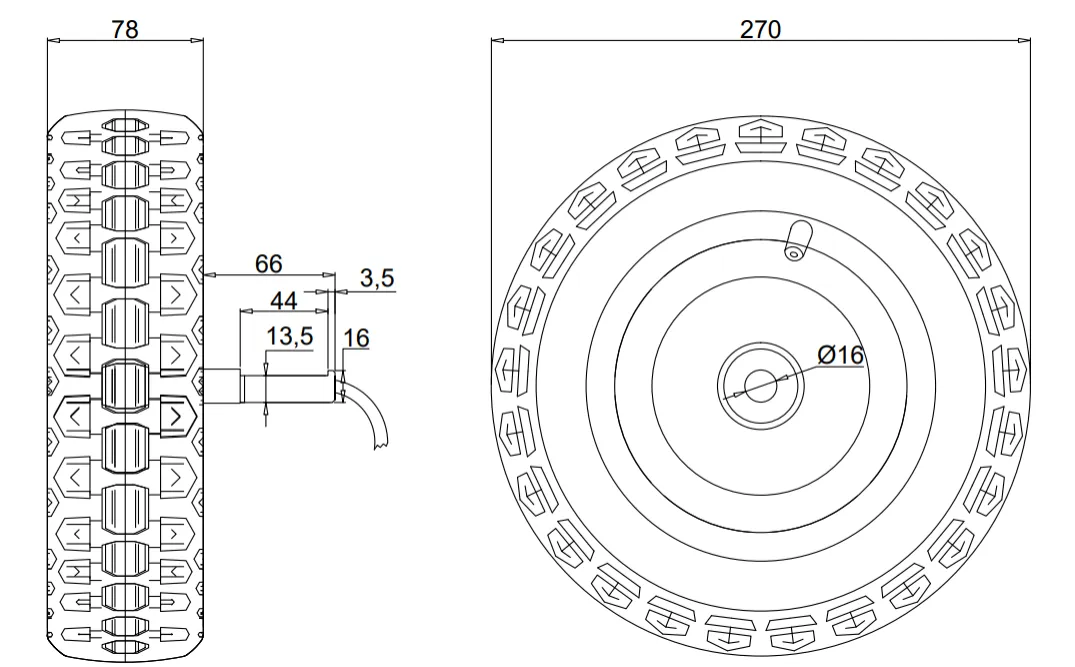
In HVAC equipment manufacturing, a “close enough” motor fit often becomes a costly field problem—vibration, misalignment, belt wear, noise complaints, and premature bearing failure. The fastest way to prevent those issues is to treat shaft diameter and mounting structure as the first two engineering constraints, then lock performance parameters to the real duty cycle (airflow, static pressure, temperature, start/stop frequency). This guide follows a practical problem → cause → solution approach, with data-backed checkpoints and ready-to-use tools for batch customization.
Problem: The motor “fits on paper” but fails to integrate smoothly with the fan, blower, or compressor assembly in production or on-site.
Typical symptoms seen by OEMs and contractors
Cause: Many selections start from power (kW/HP) only. But in HVAC, the mechanical interface dominates integration risk. If shaft diameter tolerance, keyway standard, or mounting geometry is off by even a small margin, the entire assembly becomes a compromise.
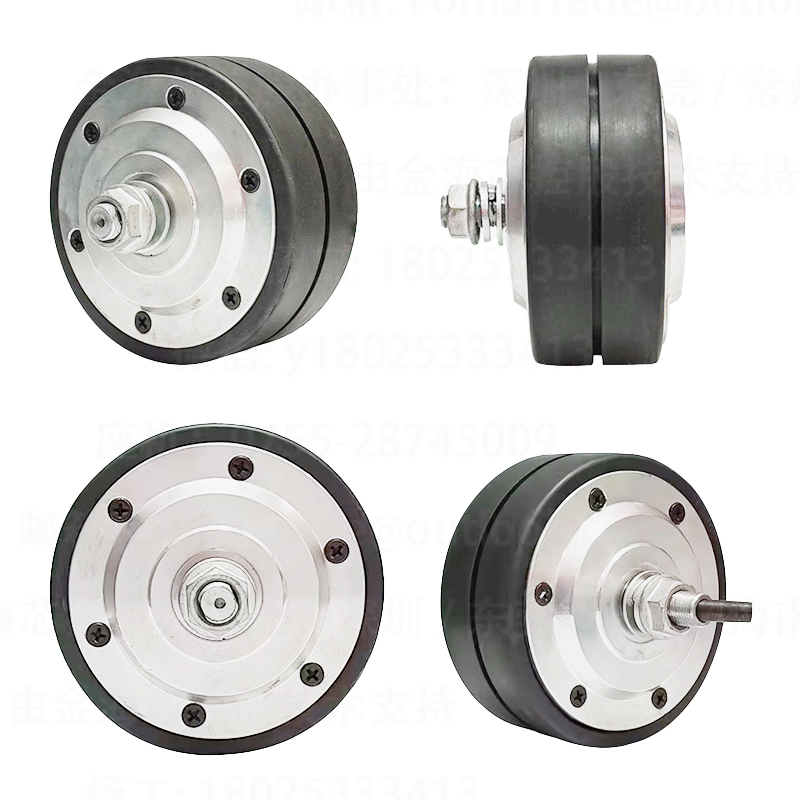
Problem: A motor shaft that is slightly different from the legacy design forces adapters or re-machining, which introduces eccentricity and alignment errors.
Cause: Shaft diameter alone is not enough—shaft length, tolerance class, keyway size/standard, and runout determine whether the rotor-to-load connection stays stable at speed.
Recommended shaft-interface checklist for OEM drawings
| What’s specified | Why it matters in HVAC assemblies | Risk if omitted |
|---|---|---|
| Ø shaft + fit (e.g., ISO h6) | Determines coupling accuracy and hub stress | Vibration, fretting corrosion, loosened hubs |
| Keyway standard (DIN/ANSI) | Ensures torque transfer and interchangeability | Rework, key shear, hub cracking |
| Usable shaft length | Controls pulley/coupler placement and belt line | Misalignment, belt wear, bearing overload |
| Runout & concentricity | Critical for low-noise fans and VFD operation | Tonal noise, resonance, early bearing failure |
Practical reference: for many HVAC blowers, keeping shaft runout within 0.03–0.05 mm and ensuring a consistent keyway standard can noticeably reduce rework during assembly. (Exact targets depend on fan mass, speed, coupling type, and balance grade.)
Problem: Motors meet electrical specs but cannot be installed without bracket modifications, re-drilling, or changing airflow duct geometry.
Cause: HVAC OEMs often inherit legacy footprints. A small deviation in bolt pattern, pilot diameter, or flange thickness scales into major assembly-line disruption—especially in multi-SKU platforms.
Common HVAC motor mount types include foot/base (B3), flange (B5), face (B14), and resilient mounts for noise-sensitive equipment. For ducted fan systems, even the conduit box direction and cable exit orientation should be considered to avoid clashes.
| Mounting structure | Best-fit HVAC scenarios | Key drawing dimensions to lock |
|---|---|---|
| Foot / Base mount (e.g., IEC B3) | Belt-driven blowers, open skid assemblies | Bolt hole spacing, shaft height, base thickness |
| Flange mount (e.g., IEC B5) | Direct-drive fans, compact AHU modules | Flange OD, PCD, pilot diameter, flange thickness |
| Face mount (e.g., IEC B14) | Small/medium fans where face bolts carry load | Face bolt pattern, pilot fit, allowable overhang |
| Resilient / isolation mount | Low-noise HVAC, hotels/hospitals, sensitive zones | Isolation geometry, stiffness range, clearance envelope |
For batch projects, the fastest stability gain comes from defining three “no-change zones”: (1) bolt pattern & pilot fit, (2) shaft centerline height, (3) terminal box/cable exit direction. Once fixed, customization can focus on windings, bearings, coatings, and control compatibility.
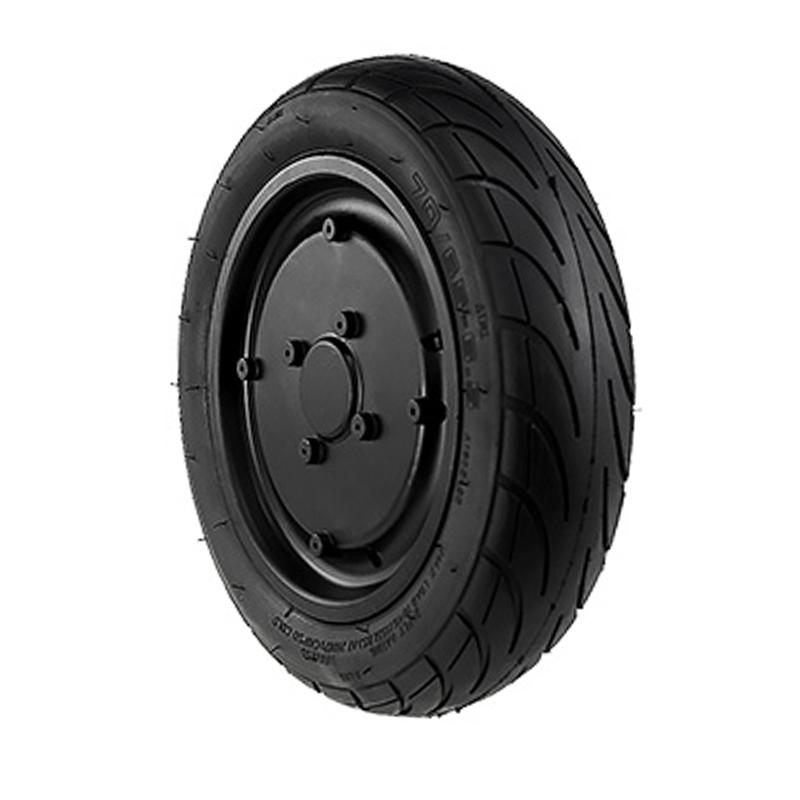
Problem: A motor with adequate rated power still runs hot, trips under VFD, or becomes noisy at operating speed.
Cause: HVAC loads often deviate from textbook assumptions: high static pressure, dirty filters, seasonal temperature swings, frequent starts, and long hours. When performance selection ignores these realities, efficiency gains disappear and reliability suffers.
Standards to reference in documentation: IEC 60034 (rotating electrical machines), IEC 60072 (frame sizes), NEMA MG-1 (common in North America), ISO 21940 (balancing), plus customer market certifications as required. Referencing standards reduces back-and-forth during RFQ and speeds approval.
Scenario: An air handling unit (AHU) OEM needed a drop-in replacement motor for a direct-drive fan module. The legacy design suffered from tonal noise and bearing failures, especially during high-speed operation under variable airflow demand.
Root cause found during engineering review: the old motor’s shaft interface allowed micro-slip under transient loads, and the flange pilot fit was inconsistent between batches—leading to misalignment and vibration.
| Item | Before | After (custom spec) | Observed impact (field feedback) |
|---|---|---|---|
| Shaft fit & keyway | Mixed tolerance, unclear keyway standard | Unified ISO fit + DIN keyway callout | Less rework; improved coupling stability |
| Flange pilot control | Loose pilot guidance | Tighter pilot tolerance + inspection gauge | Reduced vibration complaints |
| Inverter-duty readiness | Basic insulation | Inverter-duty insulation + bearing protection option | Fewer VFD-related trips in peak season |
| QC acceptance criteria | General pass/fail | Runout & vibration acceptance limits at target RPM | More consistent batch-to-batch behavior |
The takeaway is not that every project needs tighter tolerances everywhere. It’s that interface dimensions (shaft + mount) should be controlled first, and only then should performance enhancements be layered in. This sequence reduces engineering churn and protects the production schedule.
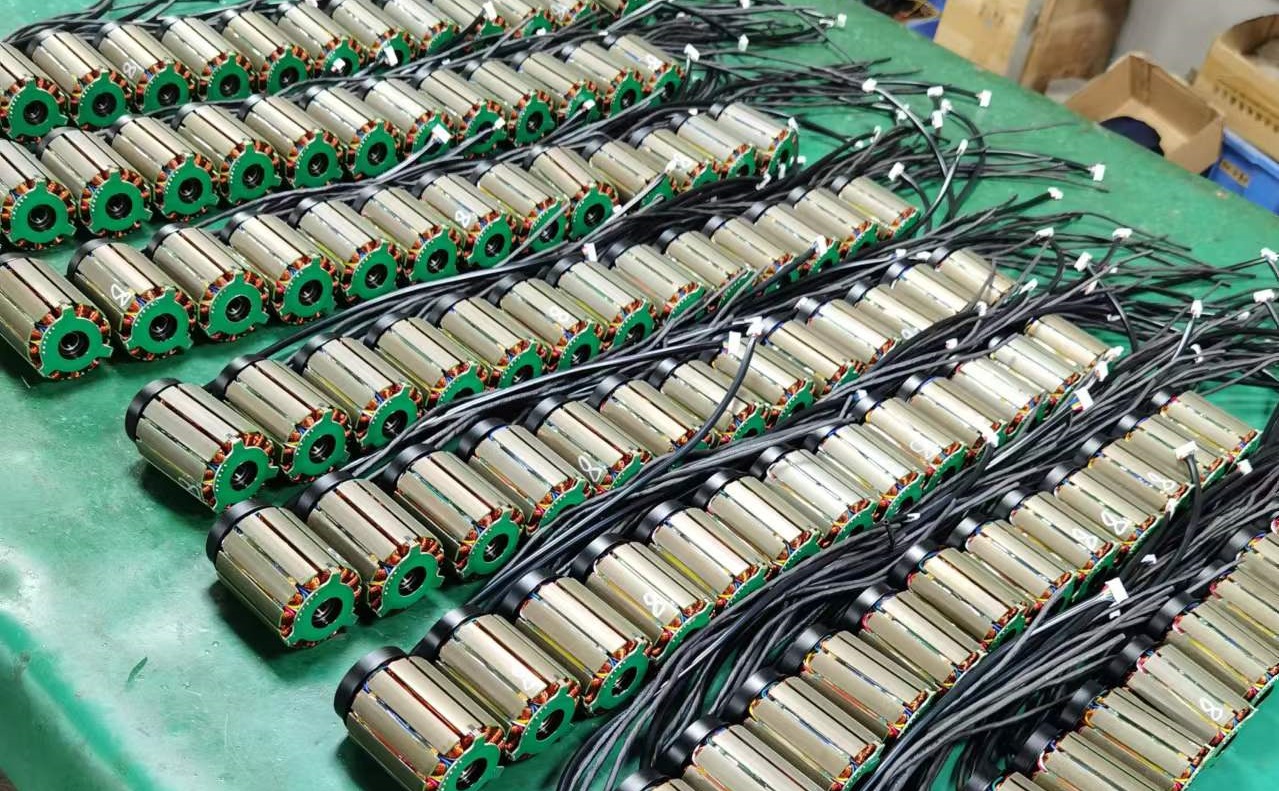
Problem: Early-life failures appear only after shipment—often during commissioning season—creating warranty stress and reputational damage.
Cause: Custom specs are approved, but process controls don’t consistently enforce them across batches (suppliers, machining, winding, assembly, test).
For large tenders and multi-site rollouts, procurement teams need predictability. The most effective custom-motor workflows are structured as short cycles with clear sign-offs:
A single-page “Motor Interface Data Sheet” attached to every RFQ can reduce clarification emails and shorten approval cycles. It should include: shaft fit, keyway standard, mounting type, bolt pattern/PCD, pilot diameter, cable exit direction, and acceptance limits for runout and vibration.
Get a downloadable workflow with RFQ-ready checklists, interface dimension fields, and QC acceptance gates—built specifically for HVAC motor customization where shaft diameter and mounting structure must match with confidence.
Download the HVAC Motor Customization Process PDF GuideEngineering-friendly format. Easy to share with purchasing, QA, and your motor supplier.
 363
|
363
|
 Go - kart motor matching
Short - shaft brake structure
Disc brake performance optimization
Cornering braking stability
Competitive go - kart modification
35
|
kart brake disc specifications
8-inch brake disc installation guide
kart disc brake system selection
kart brake maintenance
professional kart brake analysis
468
|
kart motor torque matching
brake response speed
disc brake design
short axle kart setup
kart performance optimization
441
|
Kart brake system
Electric motor braking efficiency
Disc brake design
Short - shaft brake disc
Driving stability
204
|
kart tire performance enhancement
adult youth kart customization
high wear-resistant axle design
kart parts bulk procurement
Go - kart motor matching
Short - shaft brake structure
Disc brake performance optimization
Cornering braking stability
Competitive go - kart modification
35
|
kart brake disc specifications
8-inch brake disc installation guide
kart disc brake system selection
kart brake maintenance
professional kart brake analysis
468
|
kart motor torque matching
brake response speed
disc brake design
short axle kart setup
kart performance optimization
441
|
Kart brake system
Electric motor braking efficiency
Disc brake design
Short - shaft brake disc
Driving stability
204
|
kart tire performance enhancement
adult youth kart customization
high wear-resistant axle design
kart parts bulk procurement


.png?x-oss-process=image/resize,h_100,m_lfit/format,webp)
.png?x-oss-process=image/resize,h_100,m_lfit/format,webp)
.png?x-oss-process=image/resize,h_100,m_lfit/format,webp)