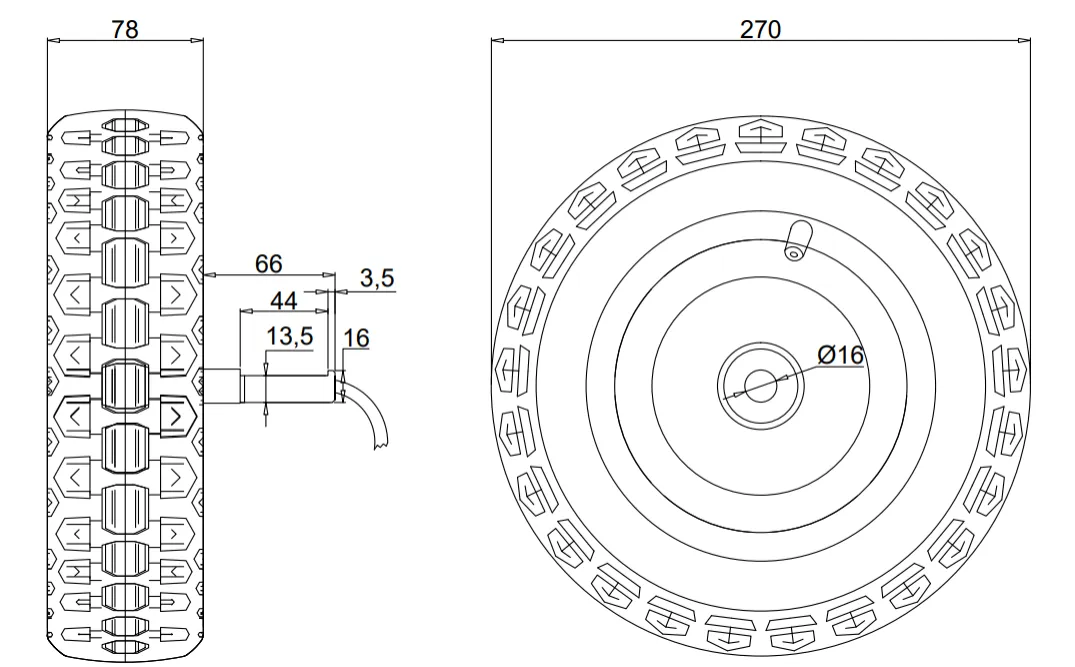
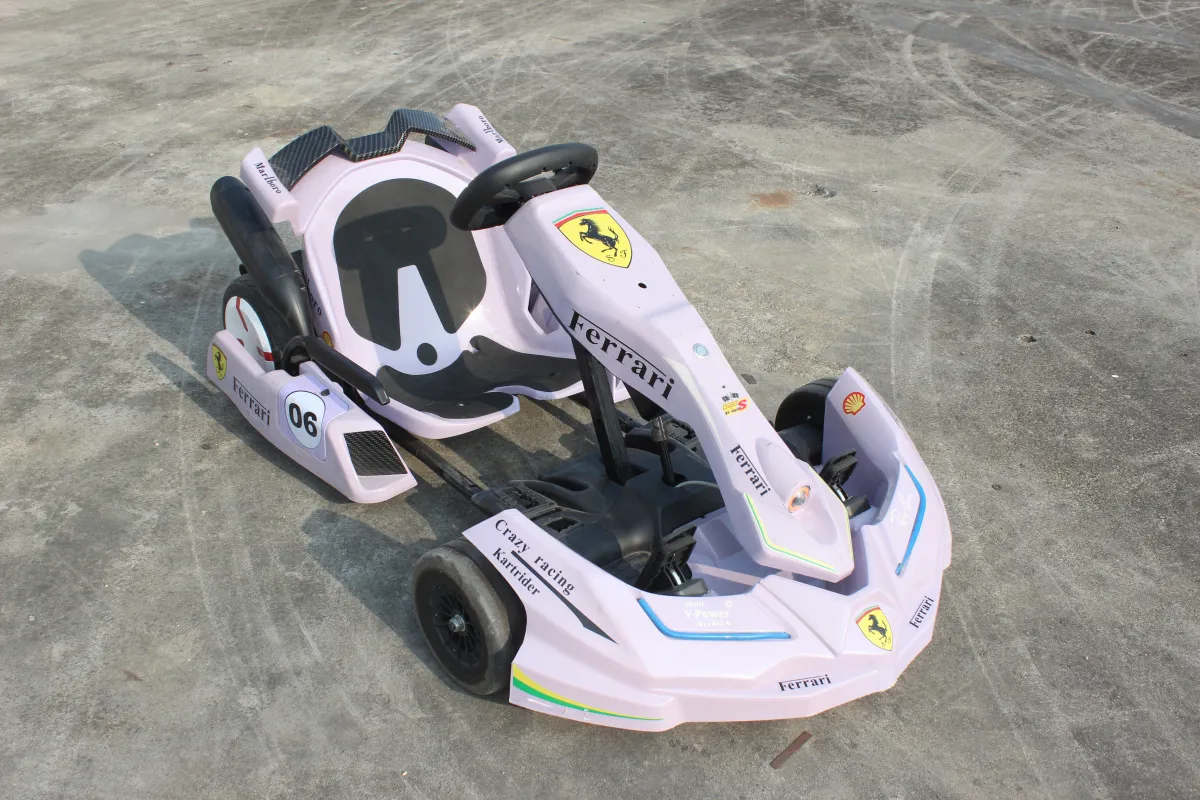
Precision in matching the shaft diameter and mounting structure of HVAC motors is critical for ensuring optimal equipment performance and longevity. This guide delves into the core technical aspects of customized industrial motors tailored for HVAC systems — from identifying equipment models to batch ordering best practices — equipping engineers and procurement managers with practical tools to avoid common pitfalls and enhance system efficiency.
HVAC motors endure continuous mechanical and electrical stresses, making durability challenging. Key reasons for replacements include misfit shaft diameters causing premature bearing wear, incompatible mounting leading to misalignment, and suboptimal motor sizing affecting energy efficiency. Studies show that inappropriate shaft matching can reduce motor lifespan by up to 40%. Standardizing customization processes can extend motor life by over 30%.
The shaft diameter is not merely a physical dimension but a key parameter dictating mechanical compatibility and system reliability. Accurate determination involves:
Incorporating a shaft length versus diameter cross-reference chart dramatically improves matching accuracy, reducing installation setbacks significantly.

Choosing the right mounting structure influences vibration control, load distribution, and maintenance ease. Key distinctions include:
| Feature | Single-Side Pressed Axle | Double-Sided Support |
|---|---|---|
| Load Capacity | Moderate | High |
| Installation Complexity | Simpler | More Complex |
| Vibration Resistance | Lower | Higher |
| Typical Applications | Light to Medium Duty HVAC Units | Heavy-Duty, Large-Scale Installations |
A large convention center faced repeated motor failures when replacing HVAC units. The root cause was identified as a 0.5mm mismatch in shaft diameter compared to the original design. This minor discrepancy led to increased bearing stress and eventual motor seizure. By realigning specifications using precise measurement tools and integrating double-sided support mounts, the facility observed a 35% reduction in maintenance issues and a 25% increase in motor operational life during a 12-month post-retrofit period.

Managing bulk orders requires rigorous process controls. Key workflow stages include:
Deploying structured project management tools translates to a 20% decrease in delivery delays and reduces batch faults by nearly 15%.
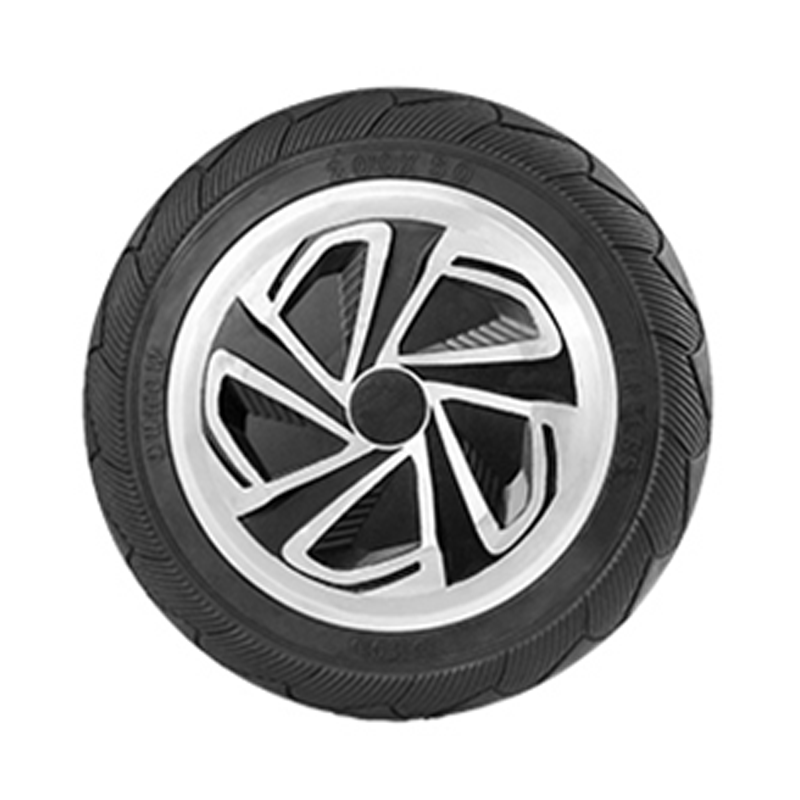
Includes Exclusive Checklists for Shaft Matching and Mounting Structures
 273
|
273
|
 Hub motor maintenance
Motor fault solutions
Unilateral pressure shaft design
Motor structure optimization
Hub motor failure rate
416
|
Kart motor matching solutions
High-torque motor braking effects
Disc brake system optimization
Kart modification techniques
Track braking distance testing
265
|
wheel hub motor maintenance
motor bearing wear prevention
long shaft motor installation
single side press fit design
electric vehicle motor reliability
441
|
Kart brake system
Electric motor braking efficiency
Disc brake design
Short - shaft brake disc
Driving stability
395
|
Kart braking system
Short wheelbase braking stability
Disc - brake design
High - torque motor
Kart driving optimization
Hub motor maintenance
Motor fault solutions
Unilateral pressure shaft design
Motor structure optimization
Hub motor failure rate
416
|
Kart motor matching solutions
High-torque motor braking effects
Disc brake system optimization
Kart modification techniques
Track braking distance testing
265
|
wheel hub motor maintenance
motor bearing wear prevention
long shaft motor installation
single side press fit design
electric vehicle motor reliability
441
|
Kart brake system
Electric motor braking efficiency
Disc brake design
Short - shaft brake disc
Driving stability
395
|
Kart braking system
Short wheelbase braking stability
Disc - brake design
High - torque motor
Kart driving optimization


.png?x-oss-process=image/resize,h_100,m_lfit/format,webp)
.png?x-oss-process=image/resize,h_100,m_lfit/format,webp)
.png?x-oss-process=image/resize,h_100,m_lfit/format,webp)