

Customizing motors for HVAC systems demands precision engineering to ensure optimal size and performance compatibility. Selecting incorrect motor dimensions or mismatched operating parameters can compromise system efficiency, increase maintenance costs, and pose operational risks. This article unpacks the critical technical aspects involved—from shaft diameter and length to installation structure and thermal considerations—tailored for engineers and procurement professionals seeking data-driven, actionable insights.
The motor shaft diameter is arguably the cornerstone of mechanical compatibility. An undersized shaft can result in premature wear and vibration issues, while an oversized shaft leads to installation difficulties and unnecessary cost overhead. Industry standards typically recommend identifying the shaft diameter within a 0.02-0.05 mm tolerance range relative to the coupling component. Length considerations also bear heavily on system integration; shaft lengths must accommodate bearing positions and coupling types without compromising alignment, especially in confined HVAC enclosures.
Tip: Always verify the shaft dimensions against both design blueprints and manufacturer specifications to minimize on-site rework.
| Shaft Diameter (mm) | Common Application | Tolerance Range (mm) |
|---|---|---|
| 12 | Compact HVAC units | ±0.03 |
| 20 | Commercial HVAC systems | ±0.05 |
| 30 | Industrial ventilation | ±0.04 |
Beyond physical dimensions, the motor’s electrical and thermal characteristics must sync with HVAC system demands. Power ratings must reflect peak load requirements, typically with a 10-15% margin for transient surges. Speed (RPM) alignment ensures the motor can maintain airflow and pressure without inducing mechanical stresses or acoustic disturbances.
Thermal management is equally critical. Motors operating above 80°C temperature rise risk insulation degradation, drastically shortening service life. Custom motors often incorporate enhanced cooling features such as heat sinks or dynamic airflow channels tailored to the HVAC environment.
The mechanical interface of the motor with the HVAC unit dictates installation ease and operational reliability. Overhung shafts (single bearing support) are common in smaller systems but necessitate precision shaft strength and alignment. Flange-mounted motors provide rigid attachment points for larger units, distributing load evenly and simplifying maintenance access.
Engineering insight: Assess the mounting footprint thoroughly to avoid interference with ducting or service pathways.
While mechanical and electrical specifications are essential, aligning with industry standards such as IEC 60034 for motor performance and environmental compliance is equally non-negotiable. Simultaneously, evaluating actual site conditions—ambient temperature, humidity, dust level, and vibration environment—guarantees the motor adapts seamlessly to real-world demands rather than idealized design parameters.
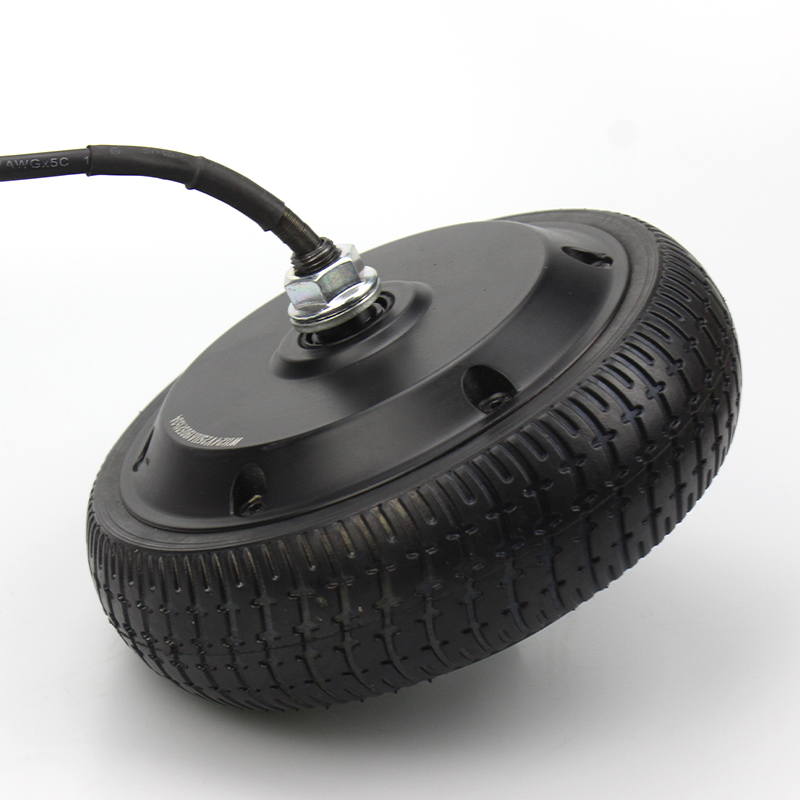
Awareness of these factors equips you to preempt costly redesigns or premature failures.
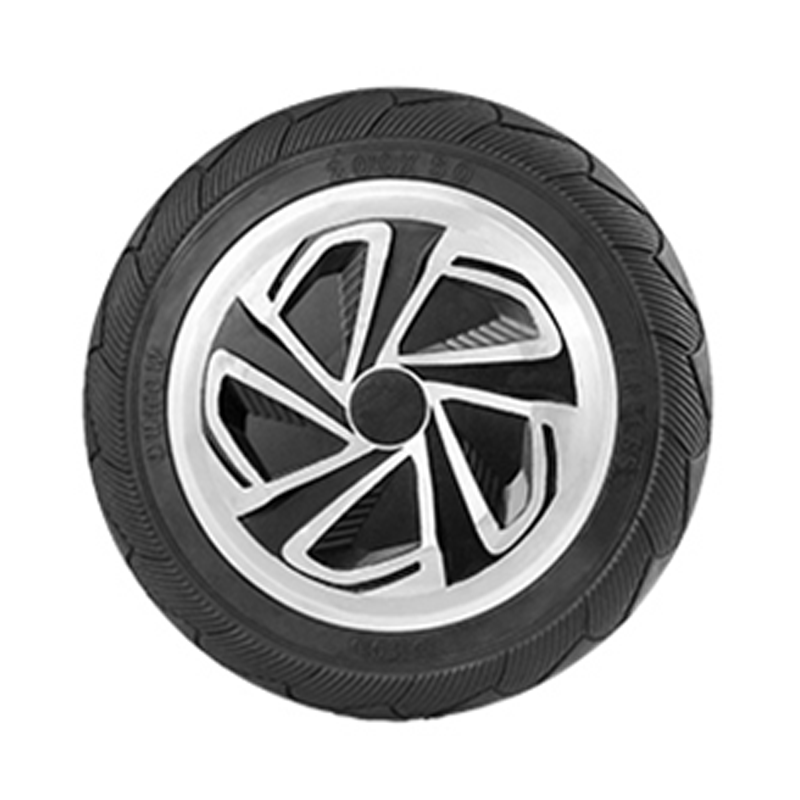
Engage your team in optimized motor selection and safeguard your HVAC investments through data-driven motor customization.
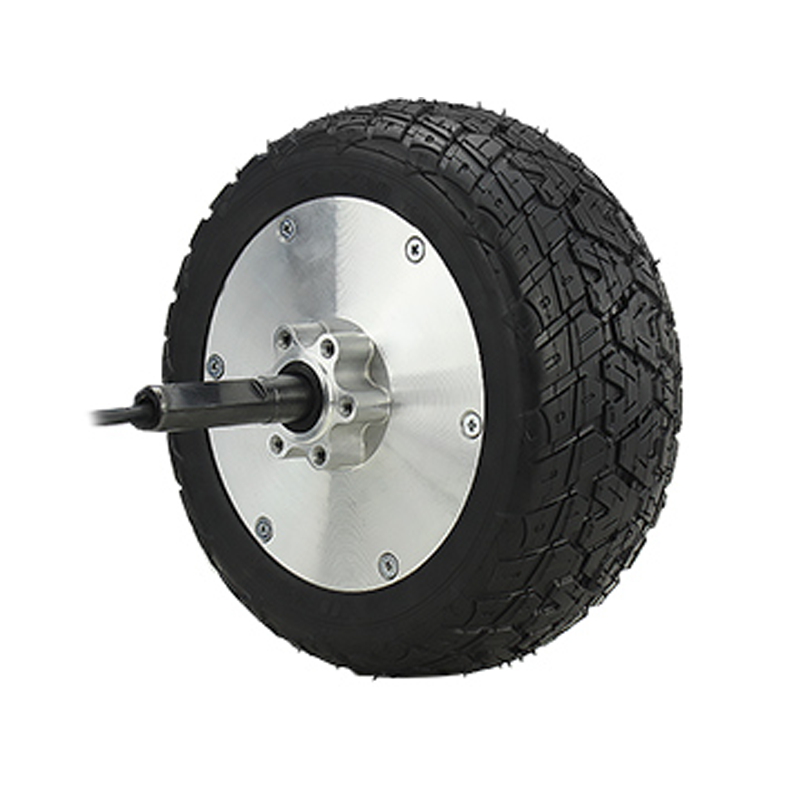
 468
|
468
|
 kart motor torque matching
brake response speed
disc brake design
short axle kart setup
kart performance optimization
70
|
Kart motor and brake matching
Kart racing selection
High - torque motor
Quick - response disc brake
Scientific selection guide
275
|
8-inch go-kart brake disc
go-kart brake disc specifications
go-kart brake system
go-kart racing parts
B2B go-kart parts
232
|
kart brake system
brake force distribution
disc brake advantages
kart racing stability
short wheelbase kart
189
|
HVAC custom motor sizing
motor shaft diameter matching
HVAC system energy optimization
HVAC motor installation guide
custom motor efficiency tips
kart motor torque matching
brake response speed
disc brake design
short axle kart setup
kart performance optimization
70
|
Kart motor and brake matching
Kart racing selection
High - torque motor
Quick - response disc brake
Scientific selection guide
275
|
8-inch go-kart brake disc
go-kart brake disc specifications
go-kart brake system
go-kart racing parts
B2B go-kart parts
232
|
kart brake system
brake force distribution
disc brake advantages
kart racing stability
short wheelbase kart
189
|
HVAC custom motor sizing
motor shaft diameter matching
HVAC system energy optimization
HVAC motor installation guide
custom motor efficiency tips
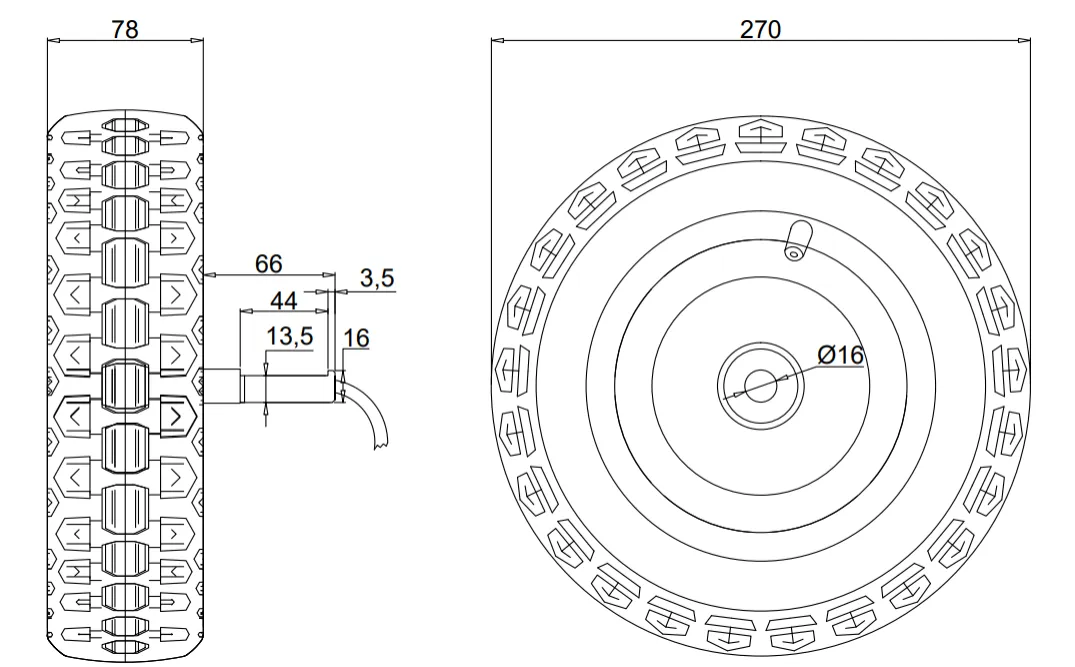



.png?x-oss-process=image/resize,h_100,m_lfit/format,webp)
.png?x-oss-process=image/resize,h_100,m_lfit/format,webp)
.png?x-oss-process=image/resize,h_100,m_lfit/format,webp)


