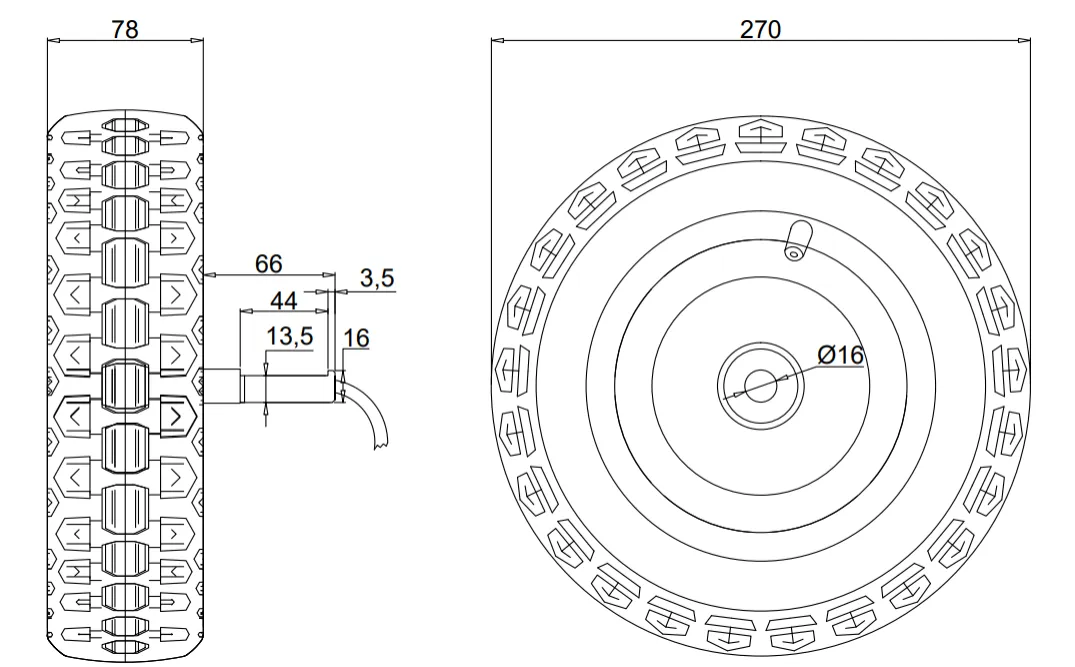
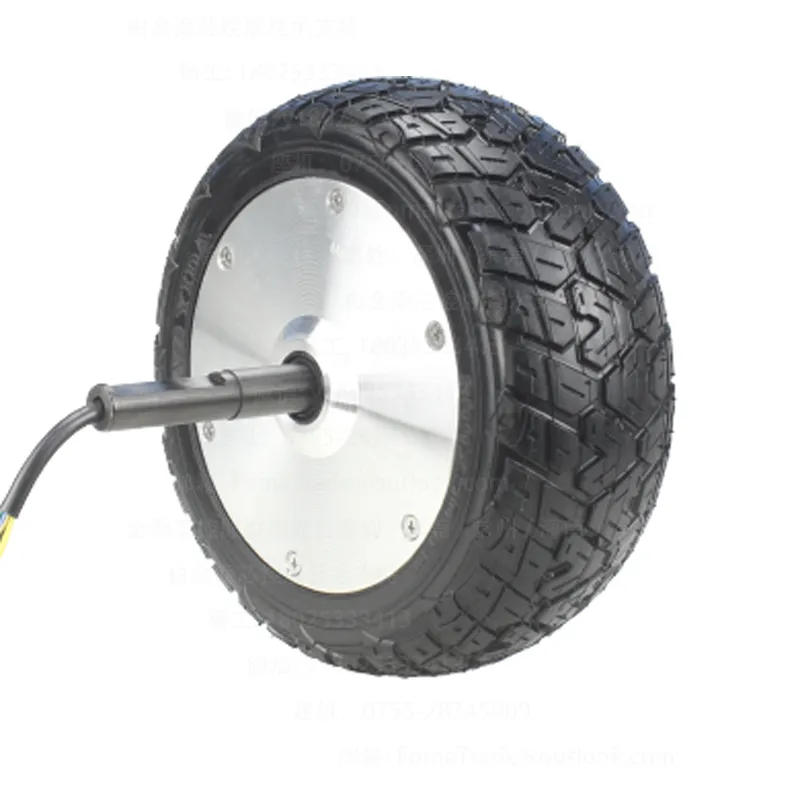
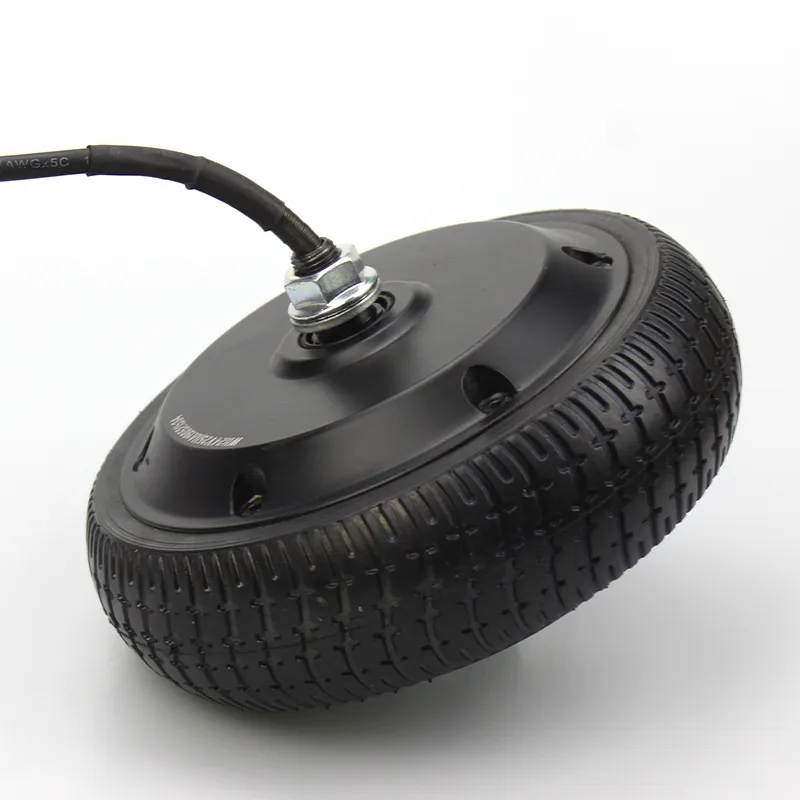
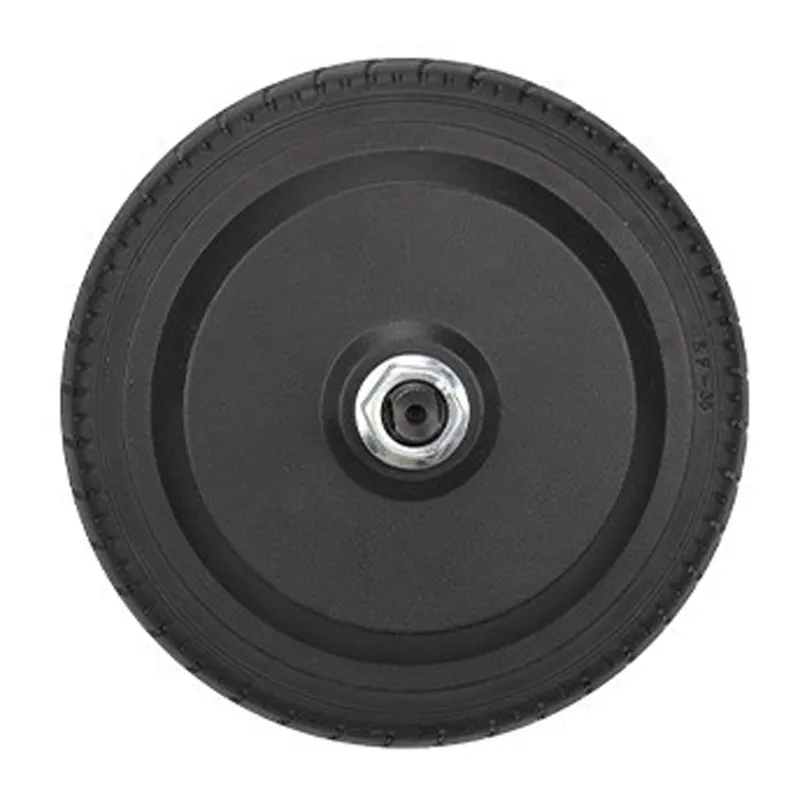
In the HVAC industry, selecting the right motor for air handling units, chillers, or ventilation systems hinges on precise customization—particularly when matching the motor's shaft diameter and length to the equipment model. This ensures optimal performance, extended lifespan, and seamless integration into complex HVAC setups.
Shaft size directly affects the motor’s mechanical compatibility and load capacity. Generally, shaft diameter ranges from 10mm to 40mm for typical HVAC motors, with the length varying from 30mm to over 100mm depending on the mounting requirements and coupling type. Industry standards such as IEC 60034-7 guide these dimensions to ensure interoperability.
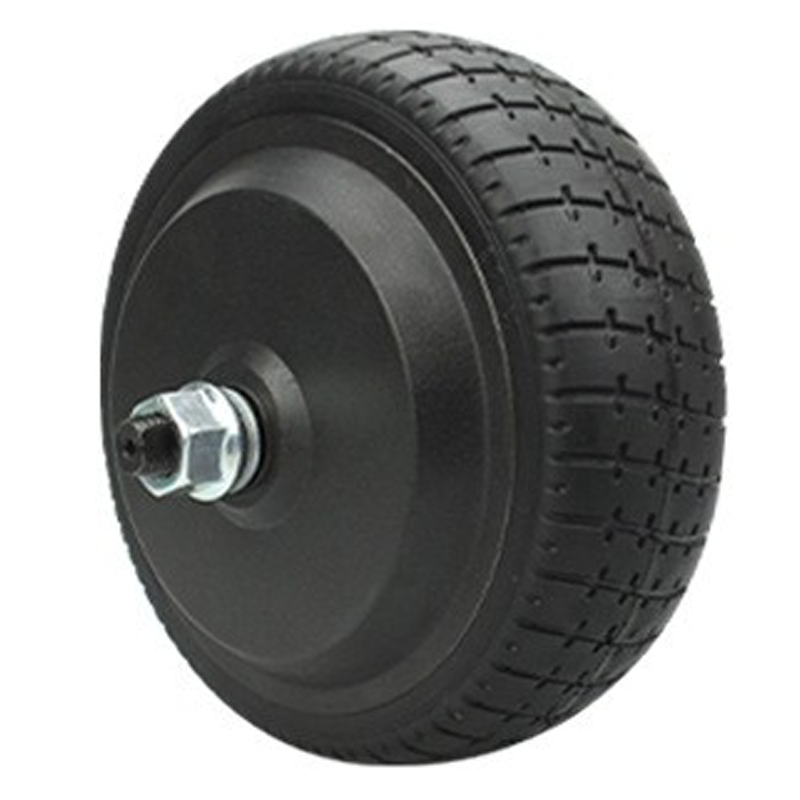
Shaft length should accommodate the mechanical setup, balancing between protrusion for couplings and minimizing overhang that causes imbalance or excessive bearing loads. HVAC motors often feature shaft extensions between 40-80mm, adjustable per the equipment’s mounting flange and bearing arrangement.
Incorporating precise measurements from the equipment model—including fan wheel hub size, bearing housing depth, and sealing requirements—into specs ensures the motor integrates flawlessly without additional adapters or modifications.
Installation structures vary widely—foot mounts, flange mounts, or face mounts—each demanding unique shaft and housing dimensions. Custom motor builders must consult equipment blueprints or provide physical samples for prototyping.
Additionally, HVAC applications often prioritize compactness and vibration isolation. Shaft design must consider these constraints alongside thermal expansion, especially in continuous duty or variable frequency drive (VFD) scenarios.
For large-scale HVAC motor orders, establishing standardized dimension templates aligned with typical equipment models is crucial to reduce lead times and minimize errors. Batch testing—such as shaft runout calibration and hardness verification—must be conducted in compliance with ISO 9001 and IEC 60034 standards.
Material traceability, anti-corrosion coatings, and enhanced insulation ratings (F-class or higher) contribute to durability in demanding indoor environments. Strategic sourcing balances cost efficiency and product reliability.
Utilizing dedicated HVAC motor selection software or interactive spreadsheets helps engineers cross-reference equipment data against motor shaft standards efficiently. Many manufacturers provide downloadable shaft dimension charts and coupling compatibility matrices which drastically reduce specification errors.

 152
|
152
|
 HVAC custom motor
motor sizing techniques
HVAC system efficiency
motor matching technology
energy optimization for HVAC
35
|
kart brake disc specifications
8-inch brake disc installation guide
kart disc brake system selection
kart brake maintenance
professional kart brake analysis
88
|
HVAC custom motor sizing
motor shaft diameter matching
HVAC motor installation best practices
energy efficient HVAC motor selection
IEC motor efficiency class
430
|
karts brake system
8 inch brake disc
disc brake design
high torque motor
kart racing brake optimization
213
|
Kart brake system
Disc brake design
High-torque motor
Braking efficiency
Track tuning
HVAC custom motor
motor sizing techniques
HVAC system efficiency
motor matching technology
energy optimization for HVAC
35
|
kart brake disc specifications
8-inch brake disc installation guide
kart disc brake system selection
kart brake maintenance
professional kart brake analysis
88
|
HVAC custom motor sizing
motor shaft diameter matching
HVAC motor installation best practices
energy efficient HVAC motor selection
IEC motor efficiency class
430
|
karts brake system
8 inch brake disc
disc brake design
high torque motor
kart racing brake optimization
213
|
Kart brake system
Disc brake design
High-torque motor
Braking efficiency
Track tuning


.png?x-oss-process=image/resize,h_100,m_lfit/format,webp)
.png?x-oss-process=image/resize,h_100,m_lfit/format,webp)
.png?x-oss-process=image/resize,h_100,m_lfit/format,webp)