Home > News > HVAC Motor Standard Dimensions Explained: Impact of Shaft Diameter and Flange Size on Equipment Selection

HVAC Motor Standard Dimensions Explained: Impact of Shaft Diameter and Flange Size on Equipment Selection

WWTrade
2026-03-26
Technical knowledge
This article offers a comprehensive analysis of standard motor dimensions in HVAC systems, focusing on shaft diameter, flange size, and installation space. It details how these critical parameters influence precise equipment selection, supported by real-world case studies. Aimed at engineers and technical personnel, the insights help prevent installation issues and efficiency loss caused by dimensional mismatches, enhancing maintenance ease and operational longevity. The content serves as a practical guide for decision-makers to optimize HVAC motor selection for reliability and performance.
Diagram illustrating standard shaft diameter and flange size in an HVAC motor

Understanding HVAC Motor Standard Dimensions: How Shaft Diameter and Flange Size Influence Equipment Selection

In the HVAC industry, precision in motor sizing is essential to ensure optimal system performance and longevity. The dimensions of a motor—especially the shaft diameter and flange size—play a critical role during equipment selection. Overlooking these parameters can lead to installation complications, decreased operational efficiency, and increased maintenance costs.

Key Parameters of HVAC Motor Dimensions

When evaluating motors for HVAC applications, three critical dimension parameters must be thoroughly understood:

  • Shaft Diameter: This affects the coupling and power transmission capability. Standard shaft diameters typically range from 12mm up to 45mm, depending on motor horsepower and application standards.
  • Flange Size: The flange provides mounting support and ensures alignment with connected equipment. Flange diameters commonly vary between 100mm and 300mm for typical HVAC motors.
  • Installation Space: The cleared space around the motor determines ease of installation and future maintenance access.

Adhering to established dimension standards helps engineers avoid mismatched parts that might result in downtime or premature component failures.

Impact of Standard Dimensions on Motor Selection Process

Incorporating the correct shaft and flange dimensions in the selection process serves several vital functions:

  1. Seamless Integration: Ensures the motor fits precisely with existing HVAC components, avoiding mechanical stress.
  2. Enhanced Efficiency: Proper sizing reduces vibration and mechanical losses, improving energy consumption by up to 5% in some cases.
  3. Maintenance Convenience: Standardized dimensions facilitate quicker motor replacements and lower labor costs.

A typical case involved a commercial HVAC installation where adapting to a non-standard shaft diameter caused a week-long project delay and additional retrofit costs estimated at $15,000. This emphasizes the importance of dimension compliance in project timelines and budgets.

Case Study: Standard Dimension Advantages in HVAC Motor Selection

WWTrade recently collaborated with a leading HVAC manufacturer to optimize motor selection for a large office complex. By strictly following the motor’s standard shaft diameter of 25mm and flange size of 200mm, the selection team avoided costly modifications.

The payoffs included a 30% reduction in installation time and a 20% increase in equipment uptime over one year, directly linked to precise dimension matching and improved mechanical fit.

Diagram illustrating standard shaft diameter and flange size in an HVAC motor

Standard Dimensions' Role in HVAC Motor Maintenance and Longevity

Maintaining adherence to motor size standards not only simplifies installation but also extends the lifespan of HVAC equipment. Correct shaft and flange dimensions reduce mechanical wear and prevent misalignment that can cause premature bearing failures.

Additionally, standardized sizes streamline the procurement of replacement parts, reducing downtime and ensuring sustained performance in critical HVAC systems.
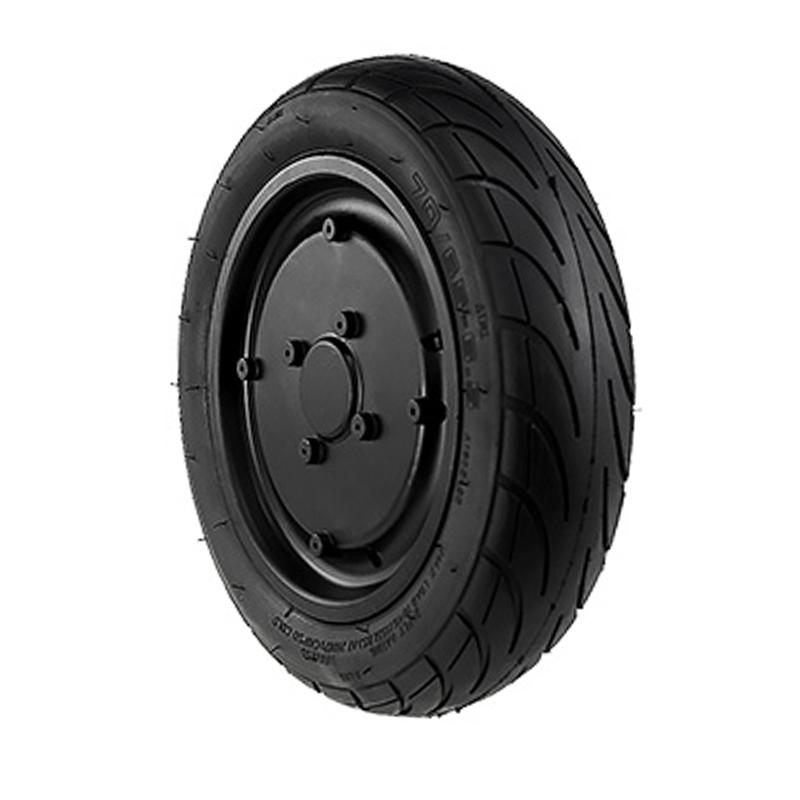
Comparison chart showing maintenance frequency for motors with standard vs. non-standard dimensions

Practical Tips for HVAC Motor Dimension Verification

  • Always consult manufacturer datasheets to confirm motor shaft and flange dimensions before ordering.
  • During on-site validation, measure installation space and ensure clearances align with motor specs.
  • Use calibrated measuring tools and record all dimension data for future reference.
  • Engage suppliers like WWTrade, who provide detailed dimension certifications to avoid ambiguity.

Such diligence minimizes technical risk and aligns the project with global HVAC standards.
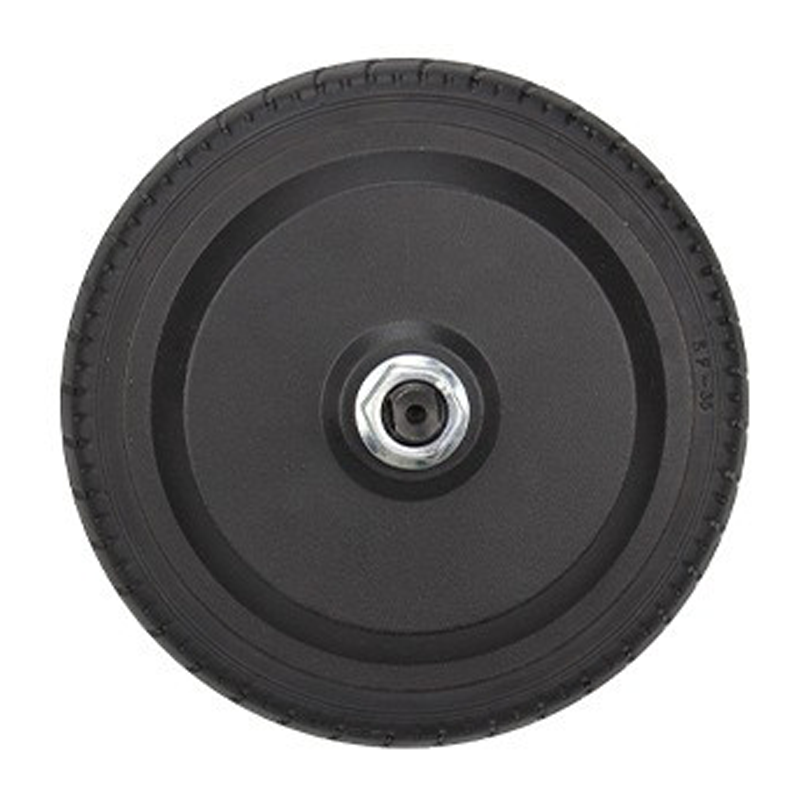
Technical engineer measuring HVAC motor shaft diameter with calipers
Name *
Email *
Message*

Recommended Products

Related Reading

Mastering Kart Brake Response and Balance: Pro Tips for Faster, Smoother Corners

2026-02-01 | img 232 | img kart brake system brake force distribution disc brake advantages kart racing stability short wheelbase kart

Wheel Hub Motor Maintenance Schedule & Daily Inspection Tips: A Practical Guide to Enhancing Equipment Reliability

2026-01-02 | img 265 | img wheel hub motor maintenance motor bearing wear prevention long shaft motor installation single side press fit design electric vehicle motor reliability

High-Torque Motor Kart Adaptation to 8-Inch Disc Brake Systems: Key Parameters for Enhanced Handling Precision

2026-01-31 | img 229 | img 8 inch disc brake kit high torque motor kart brake rotor size kart braking efficiency driving stability

HVAC Custom Motor Sizing Tips to Maximize Efficiency and Reduce Energy Consumption

2026-02-26 | img 189 | img HVAC custom motor sizing motor shaft diameter matching HVAC system energy optimization HVAC motor installation guide custom motor efficiency tips

Why 84mm Tire Width Is Ideal for Small Go-Karts and Electric Scooters: Technical Analysis and Selection Guide

2026-03-11 | img 140 | img 84mm tire width small go-kart tires electric scooter tire width tire performance analysis motor torque characteristics
Popular articles
8.5-inch-half-diameter-213mm-tire-width-83-unilateral-finale-disc-brake-model-55-short-shaft-8.jpg
8-inch-diameter-200mm-tire-width-45-unilateral-finale-cyclone-model-3.png
10-inch-diameter-255mm-tire-width-65-unilateral-finale-115-long-shaft-go-kart-4.png
8-inch-diameter-200mm-tire-width-84-unilateral-finale-conventional-model-6.jpg
10-inch-diameter-255mm-tire-width-65-unilateral-finale-115-long-shaft-go-kart-4.png
8.5-inch-half-diameter-213mm-tire-width-83-unilateral-finale-82-long-shaft-model-1.png
8.5-inch-half-diameter-213mm-tire-width-83-unilateral-finale-disc-brake-model-55-short-shaft-6.jpg
10-inch-diameter-255mm-tire-width-65-unilateral-finale-115-long-shaft-go-kart-1.png
8-inch-diameter-200mm-tire-width-84-unilateral-finale-conventional-model-5.jpg
Recommended Reading
