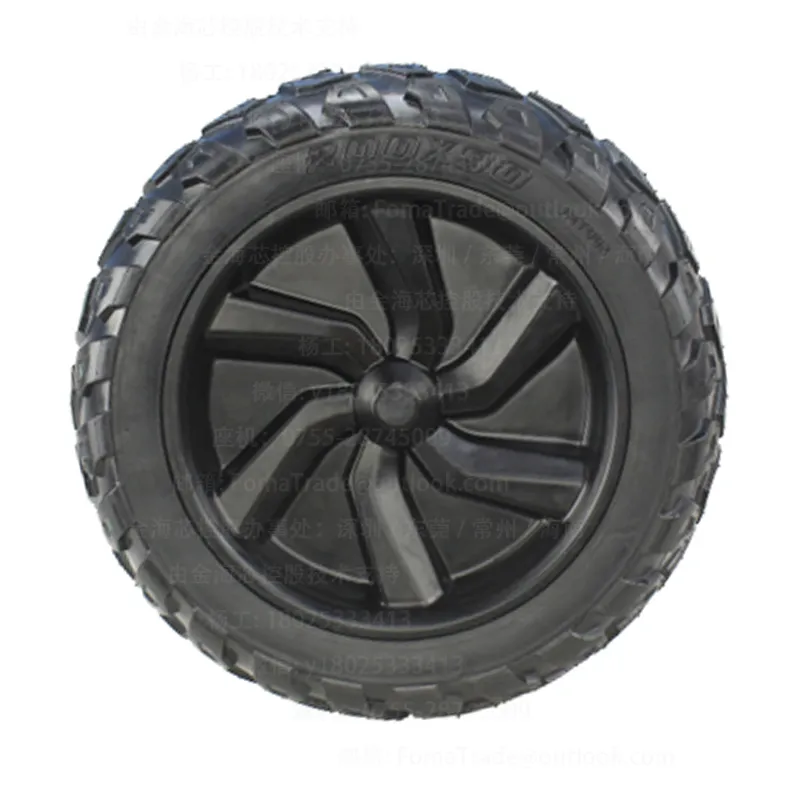
You’re not just driving a kart—you’re mastering physics. Every millisecond of brake response and every gram of force distribution can mean the difference between podium glory and a spin-out at Turn 4.
In kart racing, your braking system isn’t just about stopping—it’s about control. A delay of even 0.1 seconds in pedal-to-caliper response can cause oversteer in tight corners, especially when you're carrying 15–20 mph into the apex. That’s why top-tier race karts now use high-efficiency disc systems like the 8.5-inch (213mm) rotor paired with single-sided caliper mounting—a design that reduces mechanical lag by up to 18% compared to traditional dual-pivot setups (based on data from Formula Karting Technical Reports).
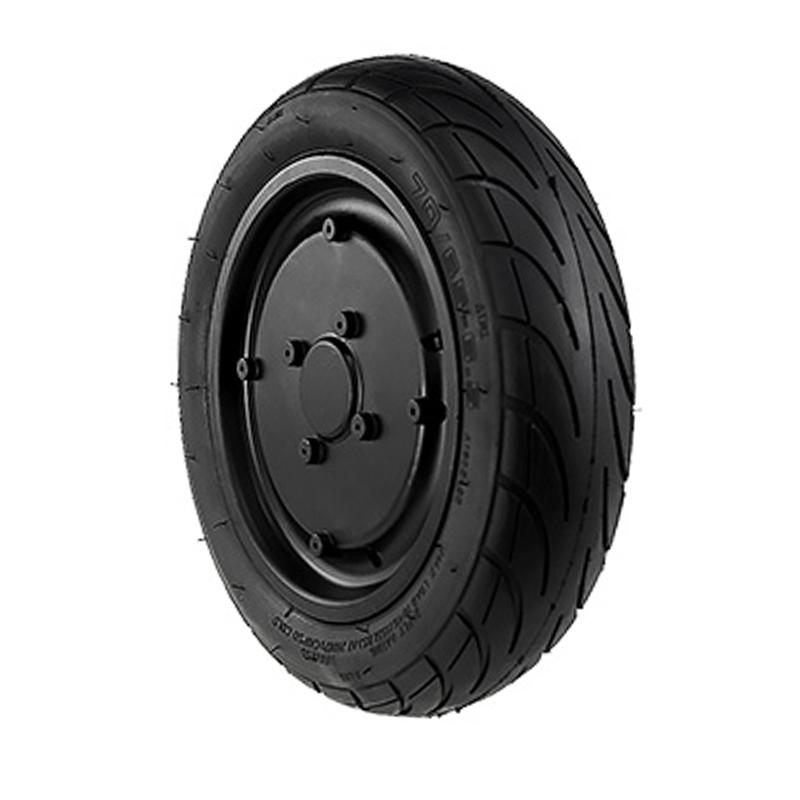
Here’s where it gets clever: short-axis geometry—combined with a single-side clamp mechanism—doesn’t just improve brake efficiency. It shifts the center of mass closer to the rear axle, reducing weight transfer under braking by ~12%. This means sharper turn-in, less dive, and better stability through high-G corners. As noted by engineer Marcus Lutz at KTM Kart R&D: “You don’t need more power—you need smarter force delivery.”
“In endurance events, consistent brake feel matters more than raw stopping power. That’s why we prioritize thermal resistance over brute force.”
Think of braking as a rhythm—not a slam. For hairpins, start applying pressure 15 meters before the apex using 60% of your total brake force. In medium-radius turns (like those found in European circuits), shift to a 70/30 split: 70% front, 30% rear. Why? Because too much rear brake causes snap-oversteer, while too little leaves you wide on exit. Track time is your best teacher—but smart setup cuts learning curves in half.
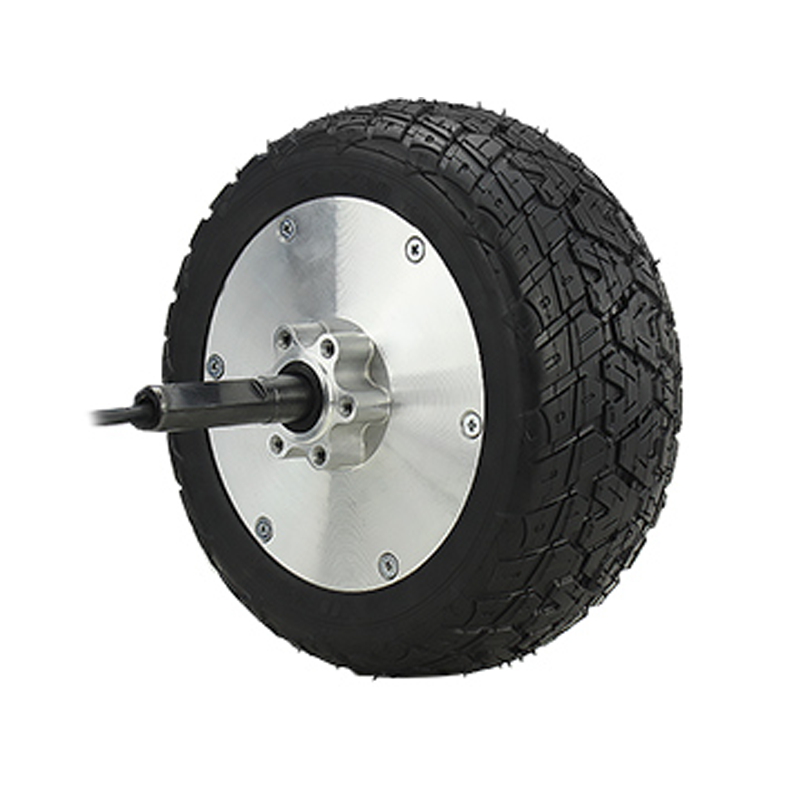
The real magic happens when you combine this with a properly tuned motor—especially in high-torque electric karts. A well-balanced system allows you to brake later, carry more speed, and accelerate earlier without losing grip. It’s not just faster—it’s safer, too.
If you're serious about performance, it's time to stop guessing and start optimizing. Our race-grade braking solution—engineered for 8.5” rotors, short-axis clamps, and seamless integration with modern motors—is built for drivers who demand precision, consistency, and confidence.
 273
|
273
|
 Hub motor maintenance
Motor fault solutions
Unilateral pressure shaft design
Motor structure optimization
Hub motor failure rate
229
|
8 inch disc brake kit
high torque motor kart
brake rotor size
kart braking efficiency
driving stability
458
|
go-kart axle assembly techniques
single-sided press-fit axle advantages
electric go-kart power transmission efficiency
go-kart stability improvement
custom tire and axle kits
395
|
Kart braking system
Short wheelbase braking stability
Disc - brake design
High - torque motor
Kart driving optimization
440
|
go-kart single-side press-fit
electric go-kart drive shafts
custom axle assemblies
go-kart bearing layouts
go-kart maintenance tips
Hub motor maintenance
Motor fault solutions
Unilateral pressure shaft design
Motor structure optimization
Hub motor failure rate
229
|
8 inch disc brake kit
high torque motor kart
brake rotor size
kart braking efficiency
driving stability
458
|
go-kart axle assembly techniques
single-sided press-fit axle advantages
electric go-kart power transmission efficiency
go-kart stability improvement
custom tire and axle kits
395
|
Kart braking system
Short wheelbase braking stability
Disc - brake design
High - torque motor
Kart driving optimization
440
|
go-kart single-side press-fit
electric go-kart drive shafts
custom axle assemblies
go-kart bearing layouts
go-kart maintenance tips


.png?x-oss-process=image/resize,h_100,m_lfit/format,webp)
.png?x-oss-process=image/resize,h_100,m_lfit/format,webp)
.png?x-oss-process=image/resize,h_100,m_lfit/format,webp)