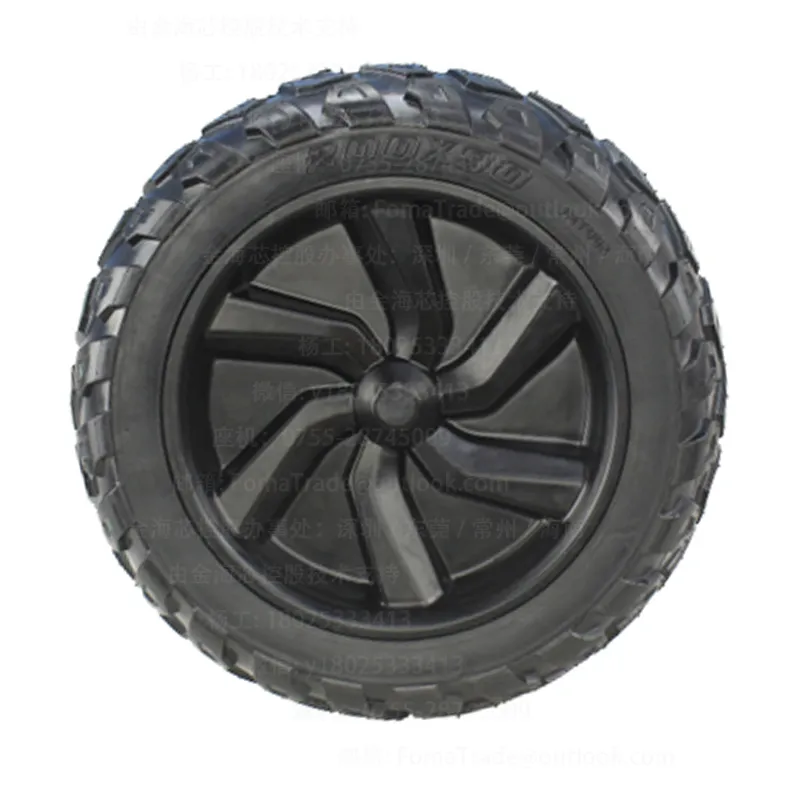
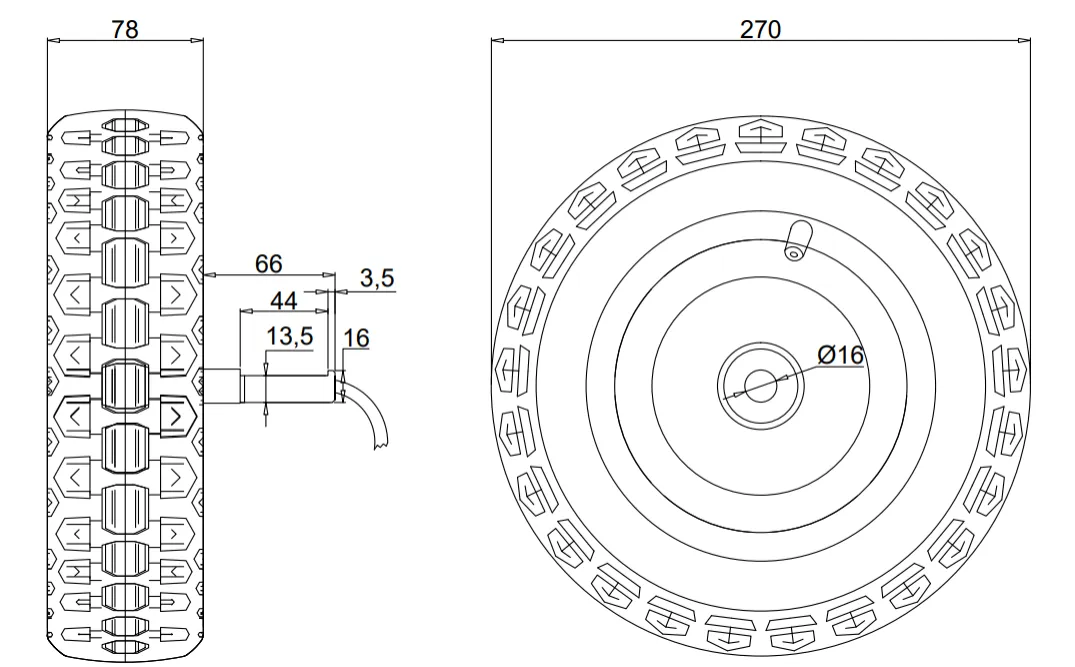
Kart racing is an exhilarating sport that demands precision and control. The brake system plays a crucial role in ensuring both the safety and performance of the kart. In this article, we will delve into the basic principles of kart brake systems, with a focus on the 8-inch class brake disc adaptation logic and the technical advantages of single-sided clamping shafts in reducing transmission losses.
The 8.5-inch (213mm diameter) disc brake design is a key component in high-torque motor kart models. This size of the brake disc is carefully selected to balance the braking force and the overall weight of the kart. A larger brake disc can provide greater braking torque, but it also adds more weight, which can affect the kart's acceleration and handling. The 8-inch class brake disc offers an optimal solution, providing sufficient braking power while keeping the weight in check.
One of the main advantages of the 8-inch class brake disc is its compatibility with high-torque motors. High-torque motors generate a large amount of power, which requires a more efficient braking system to control the speed. The 8.5-inch disc brake design can handle the high braking forces generated by these motors, ensuring a stable and reliable braking performance.
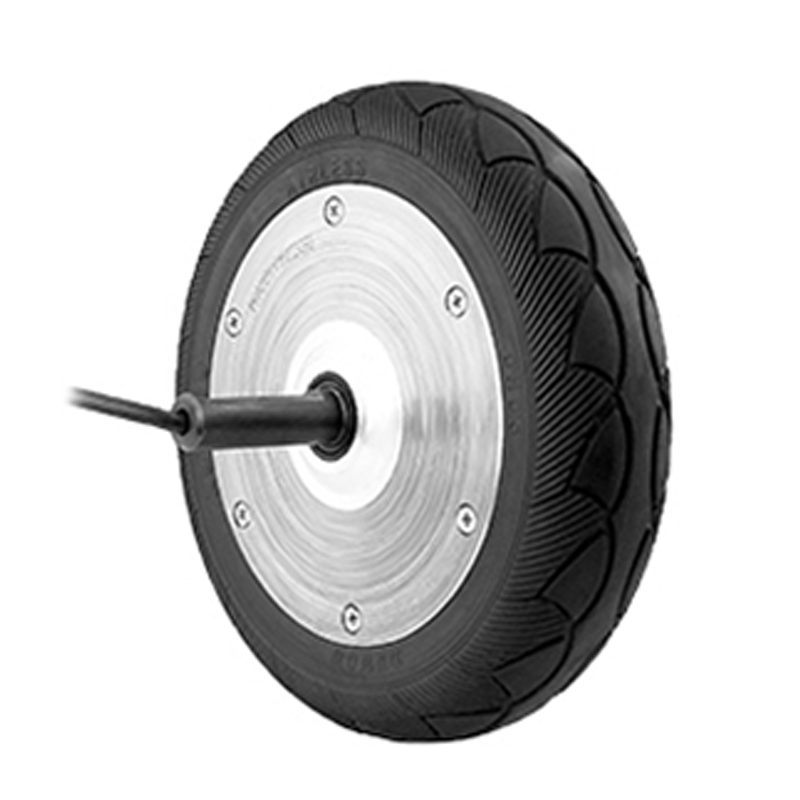
Single-sided clamping shafts are another important feature of the kart brake system. This design reduces transmission losses by minimizing the number of moving parts. Traditional brake systems often use double-sided clamping shafts, which can cause some energy to be lost during the braking process. The single-sided clamping shaft design eliminates this problem, allowing for more efficient power transfer and better braking performance.
In addition, the single-sided clamping shaft design also simplifies the installation and maintenance of the brake system. With fewer parts to deal with, it is easier to install and adjust the brake pads, reducing the time and cost of maintenance.
The short wheelbase structure of a kart has a significant impact on its center of gravity and handling sensitivity. A shorter wheelbase means that the kart has a smaller turning radius, which can make it more agile and easier to maneuver on the track. However, it also means that the kart's center of gravity is higher, which can affect its stability during high-speed cornering.
To compensate for the higher center of gravity, the brake system needs to be carefully tuned to ensure proper weight transfer during braking. By adjusting the braking force distribution between the front and rear wheels, the kart can maintain its stability and control during cornering. For example, increasing the braking force on the front wheels can help to shift the weight forward, reducing the risk of oversteer.
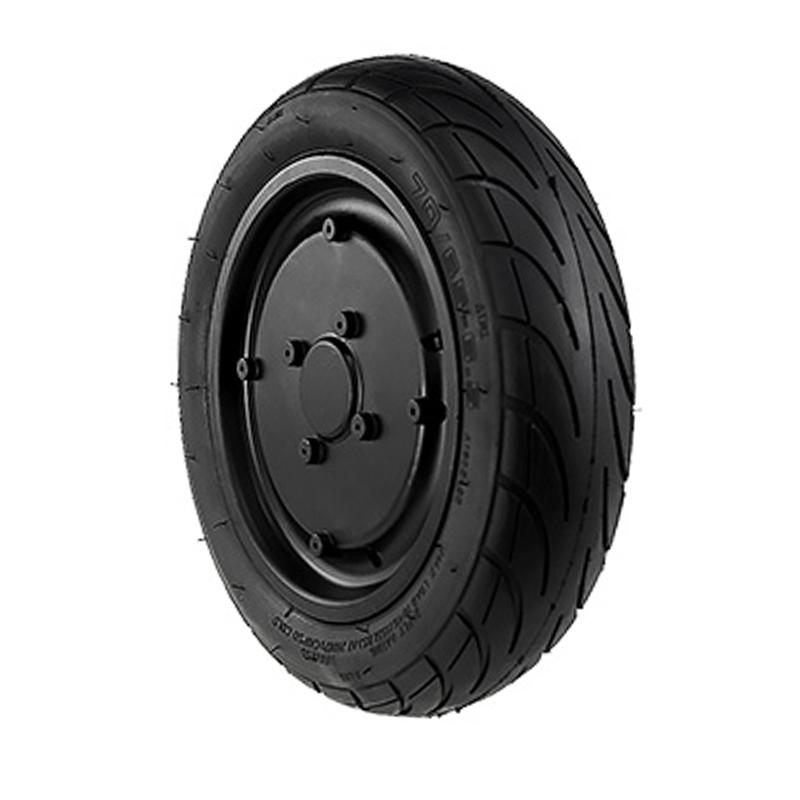
In real-track scenarios, proper tuning of the brake system is essential for achieving optimal performance. Here are some daily tuning suggestions and race strategies based on real-track experiences:
Let's take a look at some real data to illustrate the importance of proper brake system tuning. In a recent race, a kart with a well-tuned brake system was able to achieve a lap time that was 2 seconds faster than a kart with a poorly tuned brake system. This shows that even a small improvement in the brake system can have a significant impact on the overall performance of the kart.
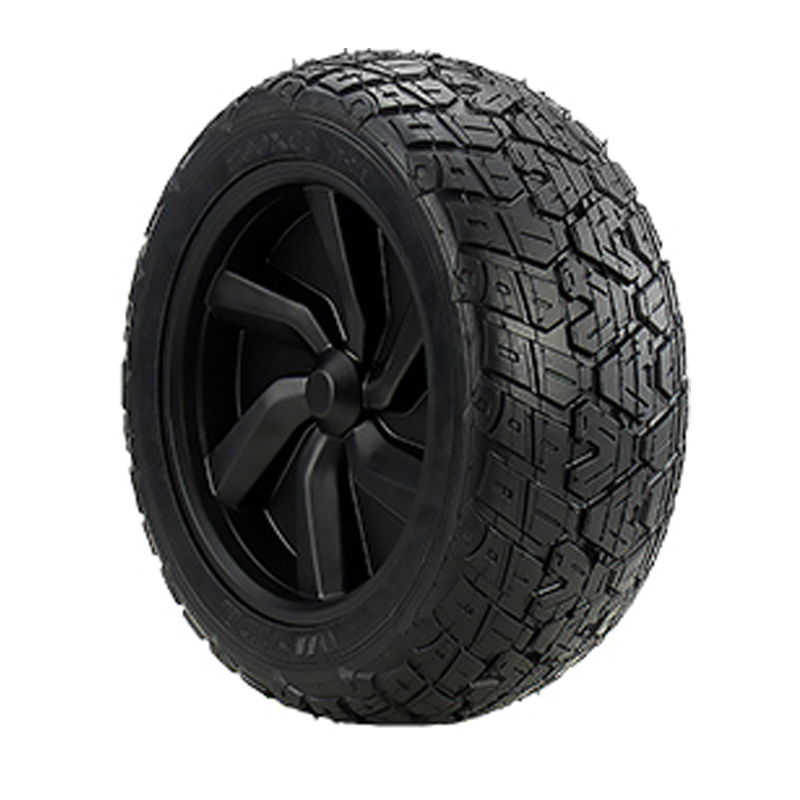
In conclusion, understanding the fundamentals of the kart brake system is crucial for both novice and experienced racers. By optimizing the brake system, racers can enhance the driving stability and performance of their karts. If you are interested in learning more about the high-torque motor and brake system's complete solution, click here to explore our professional offerings.
 468
|
468
|
 kart motor torque matching
brake response speed
disc brake design
short axle kart setup
kart performance optimization
265
|
wheel hub motor maintenance
motor bearing wear prevention
long shaft motor installation
single side press fit design
electric vehicle motor reliability
416
|
Kart motor matching solutions
High-torque motor braking effects
Disc brake system optimization
Kart modification techniques
Track braking distance testing
440
|
go-kart single-side press-fit
electric go-kart drive shafts
custom axle assemblies
go-kart bearing layouts
go-kart maintenance tips
178
|
Kart brake disc selection
Motor - brake matching
Competitive kart modification
Short - axle structure advantages
Disc brake performance optimization
kart motor torque matching
brake response speed
disc brake design
short axle kart setup
kart performance optimization
265
|
wheel hub motor maintenance
motor bearing wear prevention
long shaft motor installation
single side press fit design
electric vehicle motor reliability
416
|
Kart motor matching solutions
High-torque motor braking effects
Disc brake system optimization
Kart modification techniques
Track braking distance testing
440
|
go-kart single-side press-fit
electric go-kart drive shafts
custom axle assemblies
go-kart bearing layouts
go-kart maintenance tips
178
|
Kart brake disc selection
Motor - brake matching
Competitive kart modification
Short - axle structure advantages
Disc brake performance optimization


.png?x-oss-process=image/resize,h_100,m_lfit/format,webp)
.png?x-oss-process=image/resize,h_100,m_lfit/format,webp)
.png?x-oss-process=image/resize,h_100,m_lfit/format,webp)