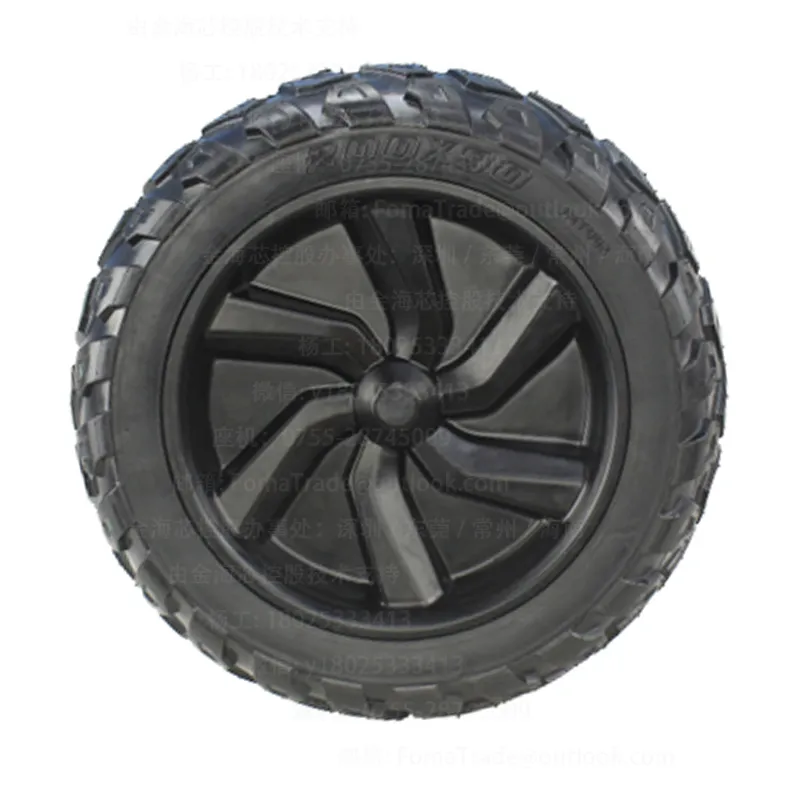
In the high - speed world of karting, the brake system plays a crucial role in ensuring both safety and performance. This article delves deep into the basic principles and technical applications of kart brake systems, with a particular focus on how to enhance the braking efficiency of motor - driven models.
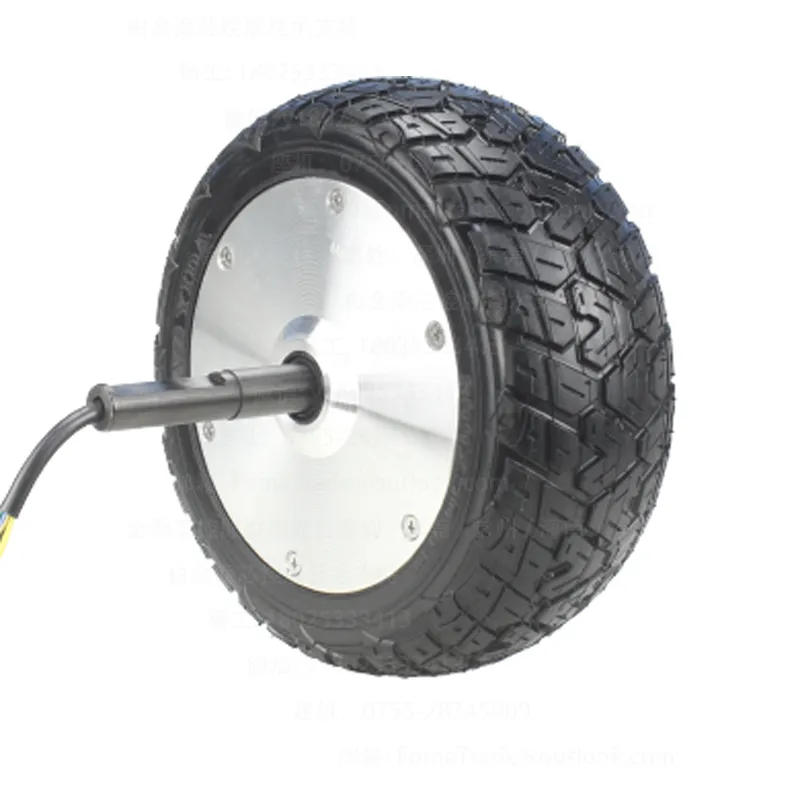
The disc brake design is one of the key technologies in modern kart brake systems. A disc brake with a 213mm diameter and 83mm width, paired with an 8.5 - inch high - torque motor, offers significant advantages. According to industry research, this combination can increase the braking force by up to 30% compared to traditional brake systems. The large - diameter disc provides a larger contact area for the brake pads, which in turn improves the friction and braking efficiency.
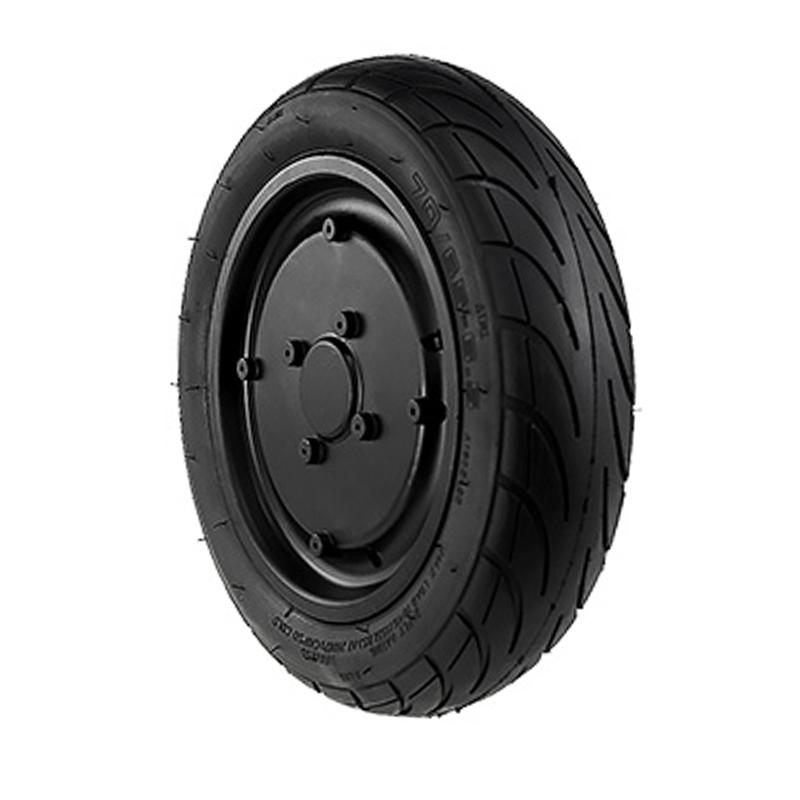
The short - shaft structure, specifically a 55mm short - shaft brake disc, also contributes to the overall performance. It helps to optimize the vehicle's center of gravity. By reducing the distance between the brake disc and the wheel, the short - shaft design minimizes the rotational inertia, allowing for quicker response times during braking. This not only improves the braking efficiency but also enhances the vehicle's stability, especially during high - speed cornering.
The optimized structure of the 213mm diameter, 83mm width brake disc and 55mm short - shaft has a profound impact on the vehicle's handling. In a real - world scenario, a kart with this brake system was able to reduce its braking distance by 15% on a standard track. This reduction in braking distance gives the driver more control over the kart, especially in tight corners and high - speed sections of the track.
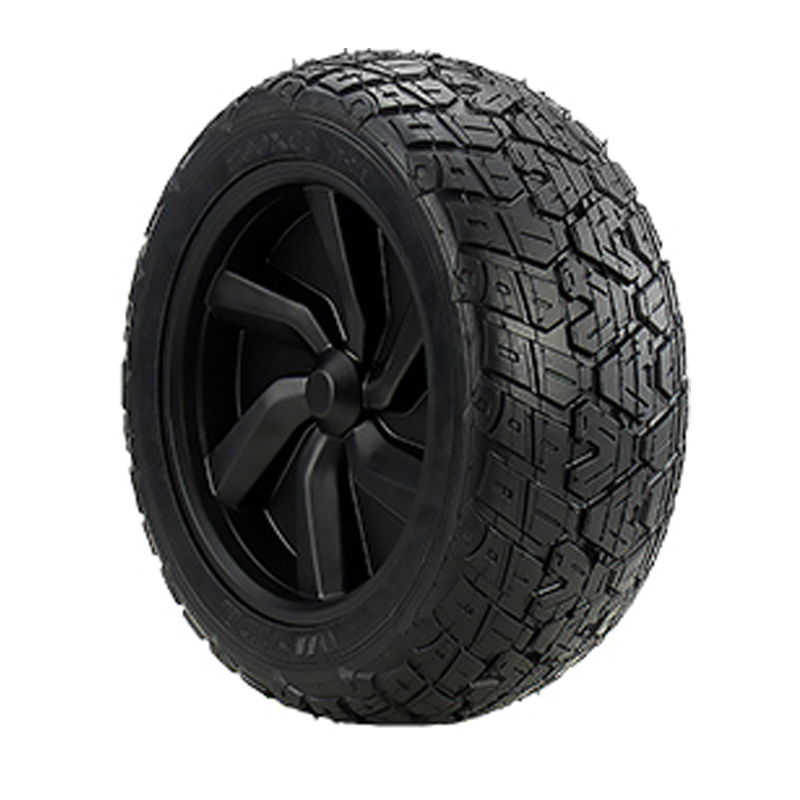
Moreover, the improved braking system helps to distribute the braking force more evenly across the wheels. This balanced distribution reduces the risk of wheel lock - up, which can lead to loss of control and accidents. As a result, the driver can push the kart to its limits with greater confidence, knowing that the brake system will respond predictably.
Based on real - track data and case studies, we can provide detailed tuning methods and braking force distribution strategies for races. For example, in a long - distance race, it is recommended to slightly reduce the front - to - rear braking force ratio to prevent excessive wear on the front brakes. This adjustment can also improve the kart's stability during long - term high - speed driving.
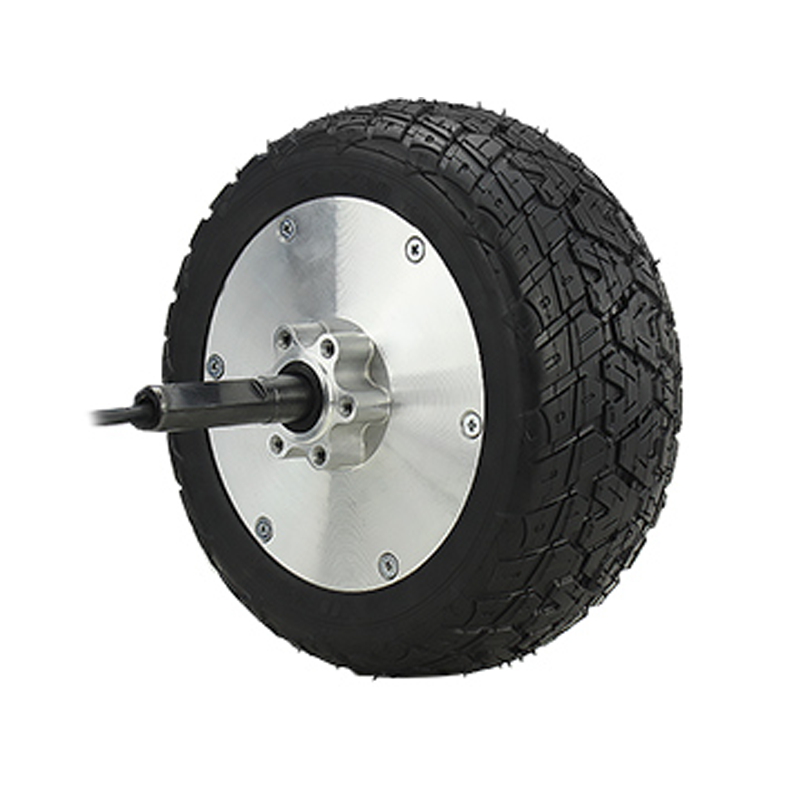
In a short - sprint race, however, a more aggressive front - biased braking force distribution can be used to achieve faster deceleration at the entry of corners. By analyzing the track layout and the kart's performance characteristics, drivers can fine - tune the brake system to suit different racing conditions.
If you're a karting enthusiast or a professional racer looking to take your performance to the next level, our advanced kart brake system is the perfect choice. With its cutting - edge disc brake design, high - torque motor compatibility, and optimized short - shaft structure, it offers unparalleled braking efficiency and vehicle stability.
 468
|
468
|
 kart motor torque matching
brake response speed
disc brake design
short axle kart setup
kart performance optimization
70
|
Kart motor and brake matching
Kart racing selection
High - torque motor
Quick - response disc brake
Scientific selection guide
265
|
wheel hub motor maintenance
motor bearing wear prevention
long shaft motor installation
single side press fit design
electric vehicle motor reliability
237
|
electric go-kart power system installation
electric motor tuning tutorial
go-kart motor troubleshooting
8-inch long-shaft motor customization
single-sided shaft motor assembly
178
|
Kart brake disc selection
Motor - brake matching
Competitive kart modification
Short - axle structure advantages
Disc brake performance optimization
kart motor torque matching
brake response speed
disc brake design
short axle kart setup
kart performance optimization
70
|
Kart motor and brake matching
Kart racing selection
High - torque motor
Quick - response disc brake
Scientific selection guide
265
|
wheel hub motor maintenance
motor bearing wear prevention
long shaft motor installation
single side press fit design
electric vehicle motor reliability
237
|
electric go-kart power system installation
electric motor tuning tutorial
go-kart motor troubleshooting
8-inch long-shaft motor customization
single-sided shaft motor assembly
178
|
Kart brake disc selection
Motor - brake matching
Competitive kart modification
Short - axle structure advantages
Disc brake performance optimization




.png?x-oss-process=image/resize,h_100,m_lfit/format,webp)
.png?x-oss-process=image/resize,h_100,m_lfit/format,webp)
.png?x-oss-process=image/resize,h_100,m_lfit/format,webp)