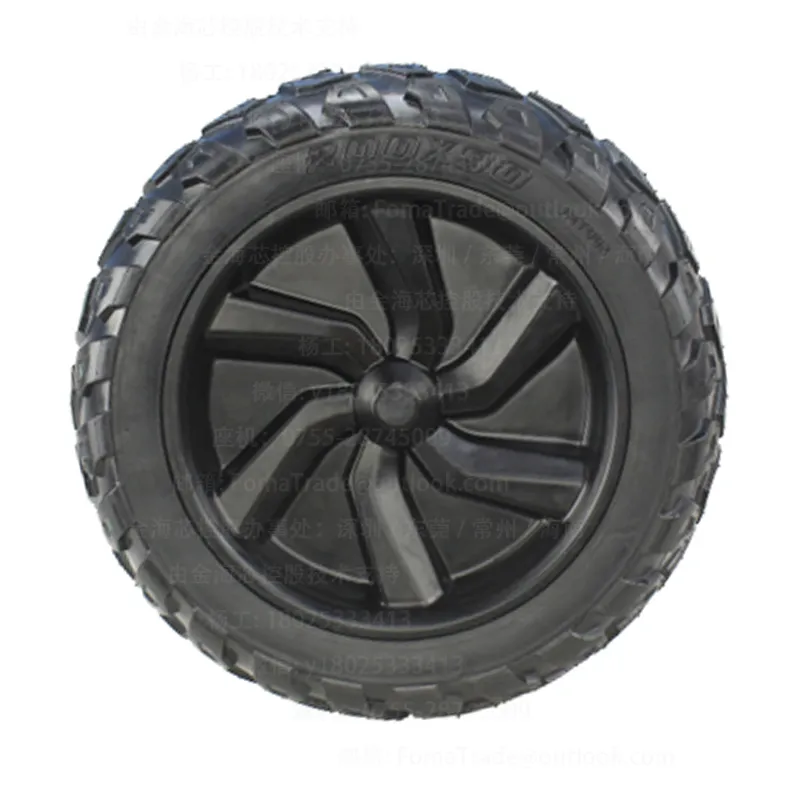
Disc brake systems represent a pivotal advancement in karting technology, significantly enhancing braking performance and vehicle safety. Compared to traditional drum brakes, disc brakes offer superior response times and greater linearity, essential for high-speed racing environments where precision control is paramount.
At its core, the karting disc brake system comprises a rotor (disc), brake caliper, and brake pads. Unlike drum brakes, which enclose the braking surface, disc brakes expose the rotor directly to airflow, improving heat dissipation. This leads to reduced brake fade during intense or prolonged use.
The open design of disc brakes translates to more consistent braking force and easier maintenance. In contrast, drum brakes often suffer from uneven wear and slower heat dissipation, which can compromise performance in racing scenarios.
When the brake pedal is applied, hydraulic pressure forces the brake pads against the spinning disc, generating friction that decelerates the wheel. The linear relationship between pedal force and braking power ensures predictable and controlled stopping, critical for navigating fast turns and avoiding collisions.
Structurally, karting disc brakes boast lightweight but robust materials, such as high-grade steel or composite alloys. These materials maintain disc integrity under thermal stress and mechanical impact, elevating the kart’s durability and responsiveness on track.

Racing environments demand strict adherence to maintenance cycles to uphold brake performance under extreme conditions. It's recommended to replace brake pads every 20 to 30 racing hours and resurface or replace discs after approximately 50 to 70 hours of intense track use, depending on track abrasiveness and weather.
Adapting brake components based on environmental factors—such as humidity, dust, and temperature fluctuations—prolongs lifespan and maintains consistent braking response. Regular cleaning with approved brake cleaners and correct torque settings for calipers is crucial.
Brake Squeal: Often caused by pad glaze or rotor contamination. Light sanding of pads or rotor and applying anti-squeal grease on pad backsides can mitigate noise without compromising safety.
Uneven Braking or Pulling: Inspect caliper piston movement and brake fluid condition to avoid drag or uneven pad wear.
Reduced Brake Responsiveness: May indicate brake fluid contamination or air in the hydraulic lines; performing a brake bleed restores optimal pressure.
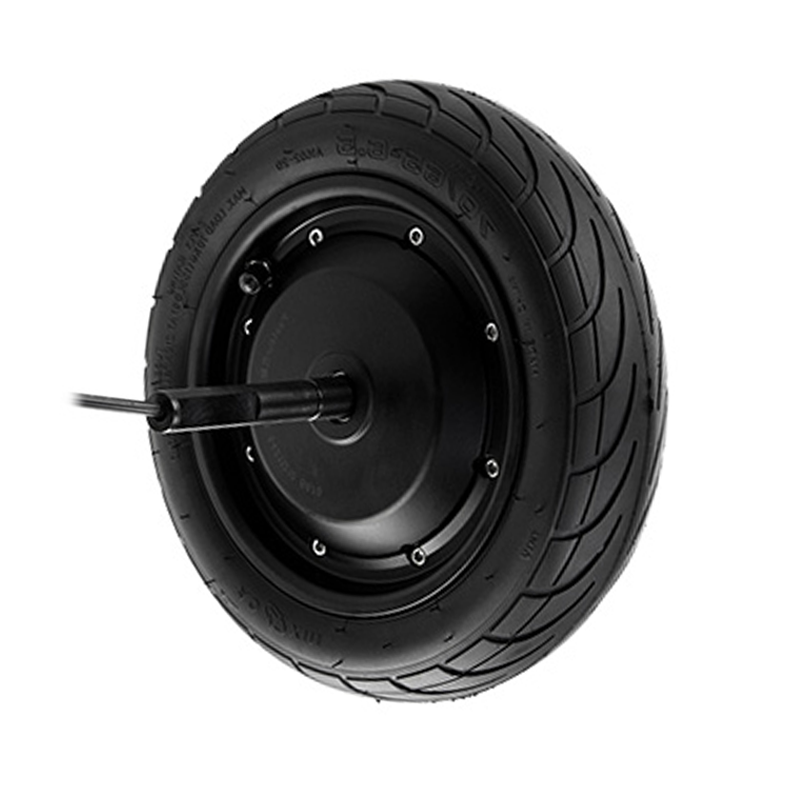
Innovators like WWTrade push karting performance by integrating WINAMICS disc brake motors, which deliver superior braking modulation and reliability. These systems optimize control responsiveness and offer competitive advantages through cutting-edge engineering and materials.
Upgrading to precision-engineered disc brakes not only improves emergency braking capabilities but also enhances overall kart agility, contributing to safer, faster lap times.
 389
|
389
|
 84mm tire width
small go-kart tires
electric scooter tire width
tire traction performance
8-inch long shaft motor
468
|
kart motor torque matching
brake response speed
disc brake design
short axle kart setup
kart performance optimization
232
|
kart brake system
brake force distribution
disc brake advantages
kart racing stability
short wheelbase kart
200
|
HVAC motor customization
motor shaft diameter matching
motor mounting types
HVAC motor selection guide
custom motor specification checklist
178
|
Kart brake disc selection
Motor - brake matching
Competitive kart modification
Short - axle structure advantages
Disc brake performance optimization
84mm tire width
small go-kart tires
electric scooter tire width
tire traction performance
8-inch long shaft motor
468
|
kart motor torque matching
brake response speed
disc brake design
short axle kart setup
kart performance optimization
232
|
kart brake system
brake force distribution
disc brake advantages
kart racing stability
short wheelbase kart
200
|
HVAC motor customization
motor shaft diameter matching
motor mounting types
HVAC motor selection guide
custom motor specification checklist
178
|
Kart brake disc selection
Motor - brake matching
Competitive kart modification
Short - axle structure advantages
Disc brake performance optimization


.png?x-oss-process=image/resize,h_100,m_lfit/format,webp)
.png?x-oss-process=image/resize,h_100,m_lfit/format,webp)
.png?x-oss-process=image/resize,h_100,m_lfit/format,webp)