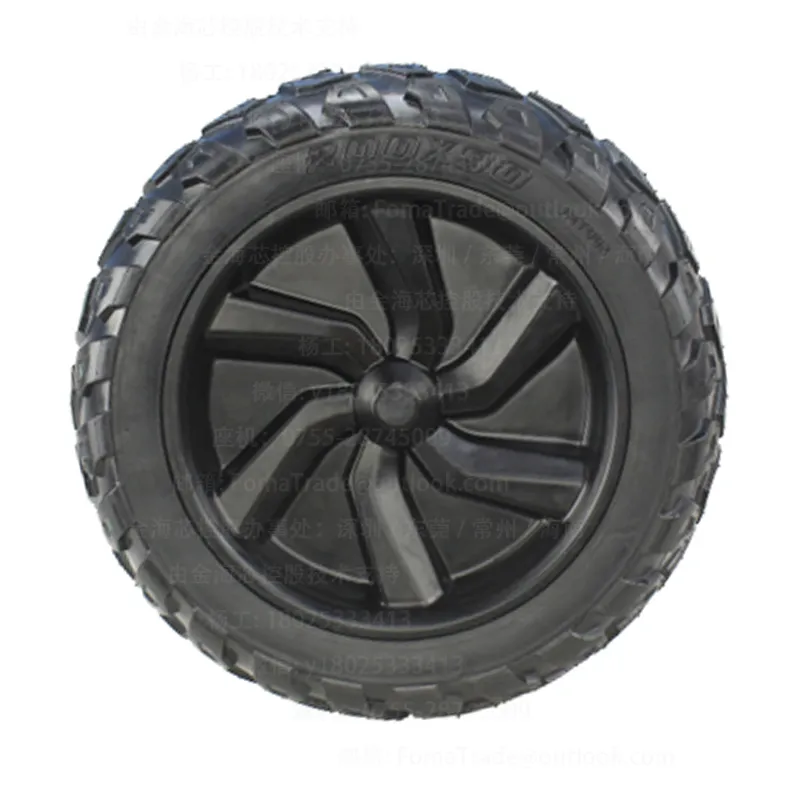
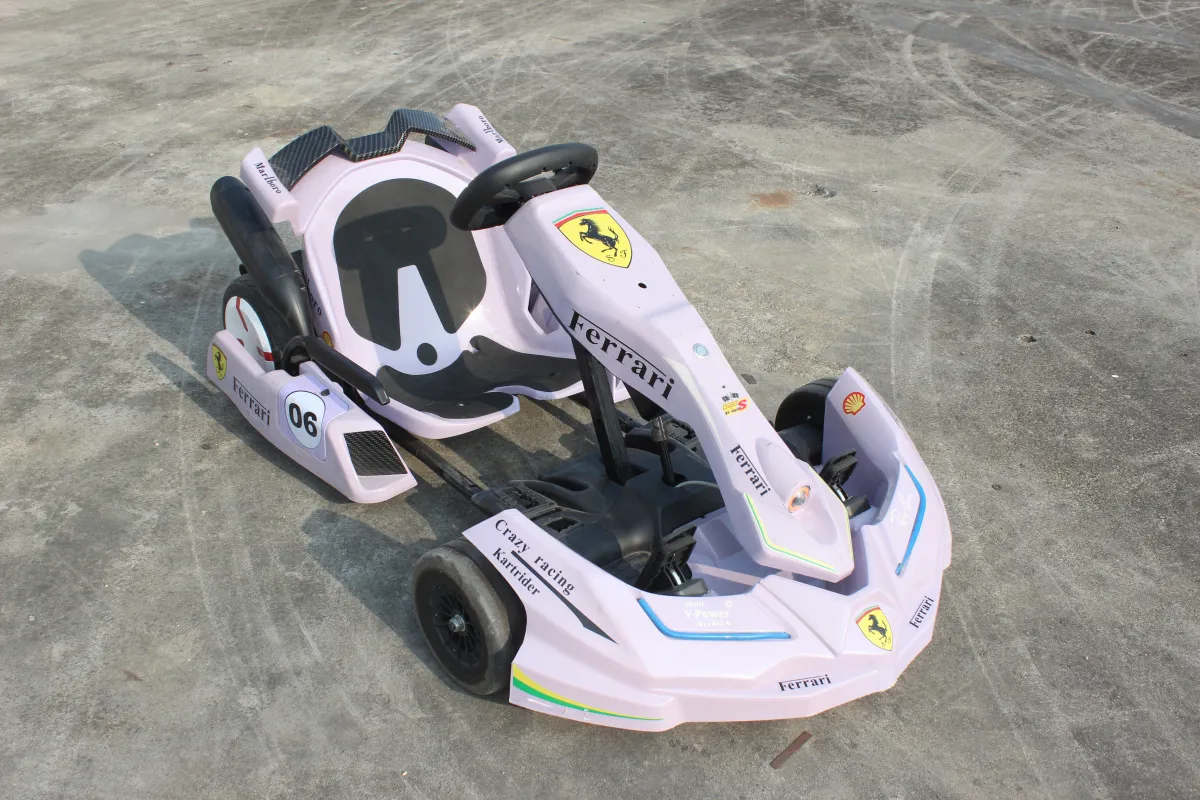
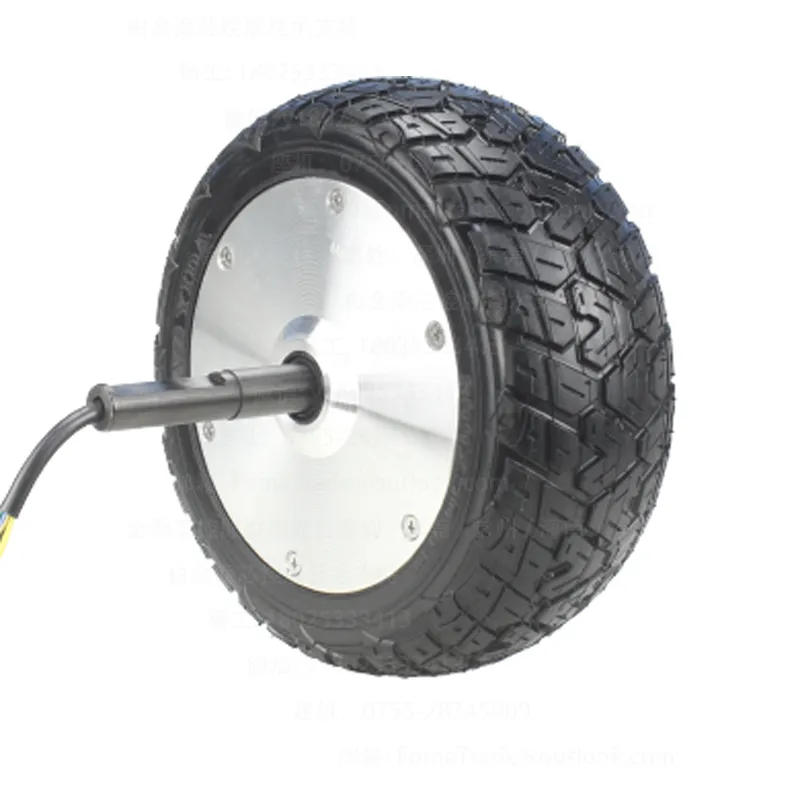
The interplay between an 8.5-inch kart motor and its braking system, specifically disc brakes, constitutes a cornerstone of on-track performance. Proper matching of high torque motors with a 213mm brake disc and a compact 55mm short shaft architecture can dramatically enhance braking responsiveness and vehicle control. This technical guide deconstructs these relationships to illuminate how kart enthusiasts and professional teams alike can optimize their equipment for both amateur training and rigorous competition.
In kart racing, striking the right balance between acceleration power and braking efficiency is crucial. Mismatched components can lead to delayed brake responses, increased wear, and compromised safety. Especially for 8.5-inch electric kart motors that deliver substantial torque, a thoughtfully engineered brake system plays a vital role in harnessing power without sacrificing control.
Different racing scenarios demand distinct brake characteristics. In amateur training, the focus is often on smooth control and predictable response, while competitive racing requires maximum braking force delivered rapidly and reliably. High torque motors generate increased kinetic energy, necessitating brake discs capable of rapid heat dissipation and optimal friction.
An appropriately sized 213mm brake disc, when paired with a 55mm short shaft, achieves a compact yet efficient assembly that reduces moment of inertia and enhances mechanical responsiveness. This configuration leverages the motor’s torque effectively, shortening brake latency and improving driver confidence under dynamic racing conditions.
The pairing of a 213mm diameter brake disc with a 55mm short shaft results in distinct engineering benefits:
Contrary to popular belief, simply increasing brake disc size does not guarantee improved braking performance. Oversized discs can lead to several drawbacks:
| Configuration | Stopping Distance (m)* | Brake Response Time (ms) | Thermal Stability (°C after 10 stops) |
|---|---|---|---|
| 213mm Disc + 55mm Shaft | 16.2 | 120 | 320 |
| 250mm Disc + 70mm Shaft | 18.7 | 150 | 360 |
*Stopping distance measured from 60 km/h speed; lower numbers indicate better braking efficiency.
Electrical engineers and racing technicians emphasize the synergy between motor characteristics and brake design. A high torque motor with rapid acceleration demands a brake system that can exhibit quick response without excessive mass or heat buildup. The 213mm disc integrated with the 55mm short shaft optimizes mechanical leverage, enhances thermal dynamics, and facilitates modular upgrades tailored to diverse driver preferences and track conditions.
By scientifically selecting compatible motor and brake assemblies, drivers gain smoother modulation capacity during corner entry and exit, ultimately allowing faster lap times without compromising safety margins. This is especially critical during sprint competitions where braking windows are tight and vehicle dynamics sensitive.
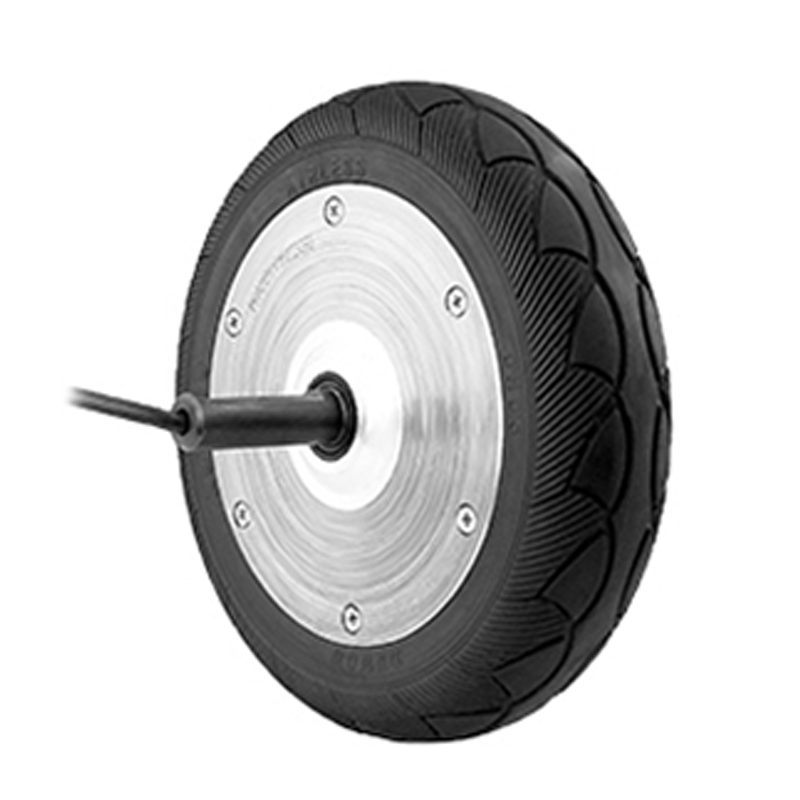
Insights derived here extend beyond theory, drawing upon controlled practice runs, telemetry analysis, and direct driver feedback. The emphasis on a meticulously matched setup encourages a move away from "one size fits all” upgrades toward data-informed, purpose-built kart configurations.
 70
|
70
|
 Kart motor and brake matching
Kart racing selection
High - torque motor
Quick - response disc brake
Scientific selection guide
468
|
kart motor torque matching
brake response speed
disc brake design
short axle kart setup
kart performance optimization
416
|
Kart motor matching solutions
High-torque motor braking effects
Disc brake system optimization
Kart modification techniques
Track braking distance testing
237
|
electric go-kart power system installation
electric motor tuning tutorial
go-kart motor troubleshooting
8-inch long-shaft motor customization
single-sided shaft motor assembly
458
|
go-kart axle assembly techniques
single-sided press-fit axle advantages
electric go-kart power transmission efficiency
go-kart stability improvement
custom tire and axle kits
Kart motor and brake matching
Kart racing selection
High - torque motor
Quick - response disc brake
Scientific selection guide
468
|
kart motor torque matching
brake response speed
disc brake design
short axle kart setup
kart performance optimization
416
|
Kart motor matching solutions
High-torque motor braking effects
Disc brake system optimization
Kart modification techniques
Track braking distance testing
237
|
electric go-kart power system installation
electric motor tuning tutorial
go-kart motor troubleshooting
8-inch long-shaft motor customization
single-sided shaft motor assembly
458
|
go-kart axle assembly techniques
single-sided press-fit axle advantages
electric go-kart power transmission efficiency
go-kart stability improvement
custom tire and axle kits


.png?x-oss-process=image/resize,h_100,m_lfit/format,webp)
.png?x-oss-process=image/resize,h_100,m_lfit/format,webp)
.png?x-oss-process=image/resize,h_100,m_lfit/format,webp)