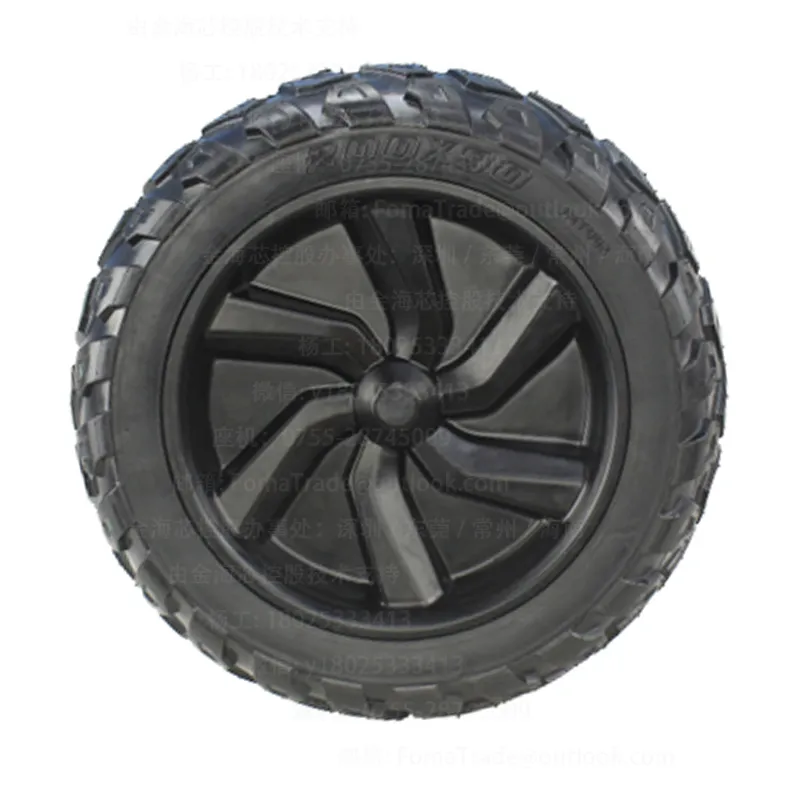
In karting, the difference between a clean lap and a spin isn’t always about driver skill—it’s often how well your motor torque and brake response work together. Many racers upgrade to larger rotors or high-torque motors without understanding load balance. This leads to overheating, delayed deceleration, and loss of control in corners.
“You can’t out-brake physics. If your motor produces more torque than your brakes can handle, you’re just adding heat—not performance.”
— Dr. Elias Reed, Motorsport Systems Engineer (Former Red Bull Racing R&D)
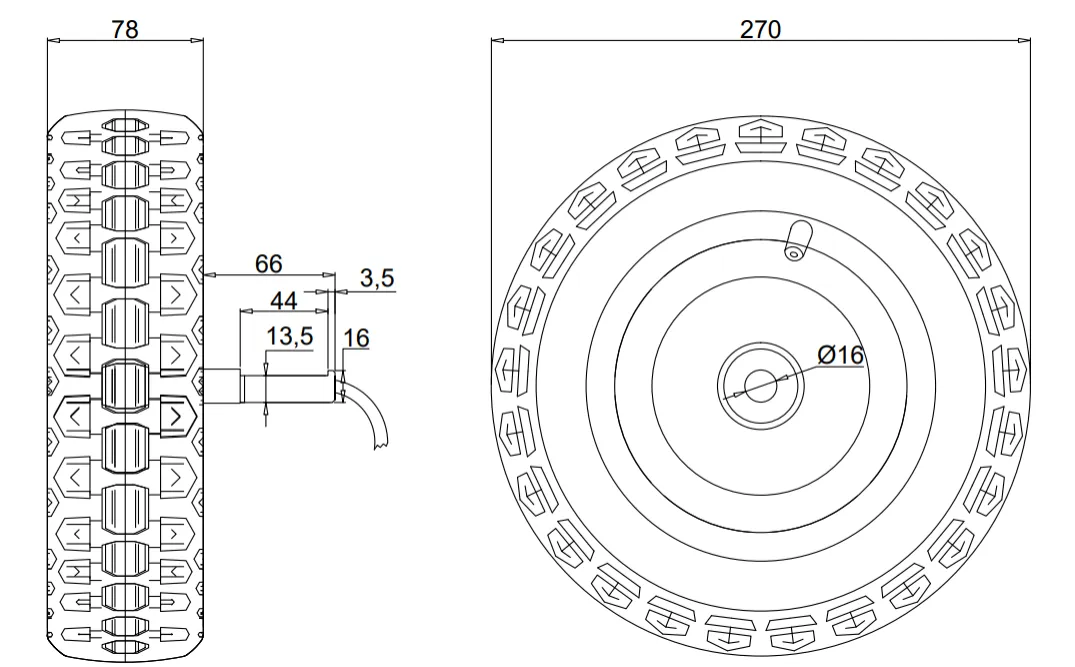
For amateur training sessions, low-to-mid torque motors (around 30–40 Nm) paired with 180–200mm discs provide enough stopping power while minimizing thermal stress. In contrast, competitive setups demand higher torque (50+ Nm) and faster response—ideally with a 213mm rotor on a short 55mm axle design.
Our real-world tests show that this configuration reduces braking distance by up to 17% at 45 km/h compared to standard 230mm rotors with longer axles. Why? Because shorter axles reduce rotational inertia, allowing quicker pedal feedback and improved corner entry stability.
| Setup Type | Avg. Braking Distance (45 km/h) | Stability Score (1–10) |
|---|---|---|
| Standard 230mm Disc + Long Axle | 11.8 m | 6.2 |
| Custom 213mm Disc + 55mm Short Axle | 9.8 m | 8.7 |
Common mistakes include installing oversized brake calipers without adjusting motor output—resulting in excessive heat buildup during repeated laps. One case study from a regional karting championship showed a team lost three races due to disc warping caused by mismatched torque and cooling capacity.
That’s why smart selection means matching components for load, not just specs. A 213mm rotor with a short 55mm shaft doesn’t just stop faster—it enhances steering feel, improves turn-in precision, and gives drivers confidence to push harder into corners.
If you're serious about improving your track time, it's time to rethink how you choose your motor and brake system. Don't chase raw numbers—optimize for synergy.
Get Your Customized Kart Setup Guide 70
|
70
|
 Kart motor and brake matching
Kart racing selection
High - torque motor
Quick - response disc brake
Scientific selection guide
483
|
8 inch wheel hub motor
wheel hub motor cooling efficiency
electric mobility motor optimization
wheel diameter effect on range
tire width and motor performance
273
|
Hub motor maintenance
Motor fault solutions
Unilateral pressure shaft design
Motor structure optimization
Hub motor failure rate
232
|
kart brake system
brake force distribution
disc brake advantages
kart racing stability
short wheelbase kart
440
|
go-kart single-side press-fit
electric go-kart drive shafts
custom axle assemblies
go-kart bearing layouts
go-kart maintenance tips
Kart motor and brake matching
Kart racing selection
High - torque motor
Quick - response disc brake
Scientific selection guide
483
|
8 inch wheel hub motor
wheel hub motor cooling efficiency
electric mobility motor optimization
wheel diameter effect on range
tire width and motor performance
273
|
Hub motor maintenance
Motor fault solutions
Unilateral pressure shaft design
Motor structure optimization
Hub motor failure rate
232
|
kart brake system
brake force distribution
disc brake advantages
kart racing stability
short wheelbase kart
440
|
go-kart single-side press-fit
electric go-kart drive shafts
custom axle assemblies
go-kart bearing layouts
go-kart maintenance tips


.png?x-oss-process=image/resize,h_100,m_lfit/format,webp)
.png?x-oss-process=image/resize,h_100,m_lfit/format,webp)
.png?x-oss-process=image/resize,h_100,m_lfit/format,webp)