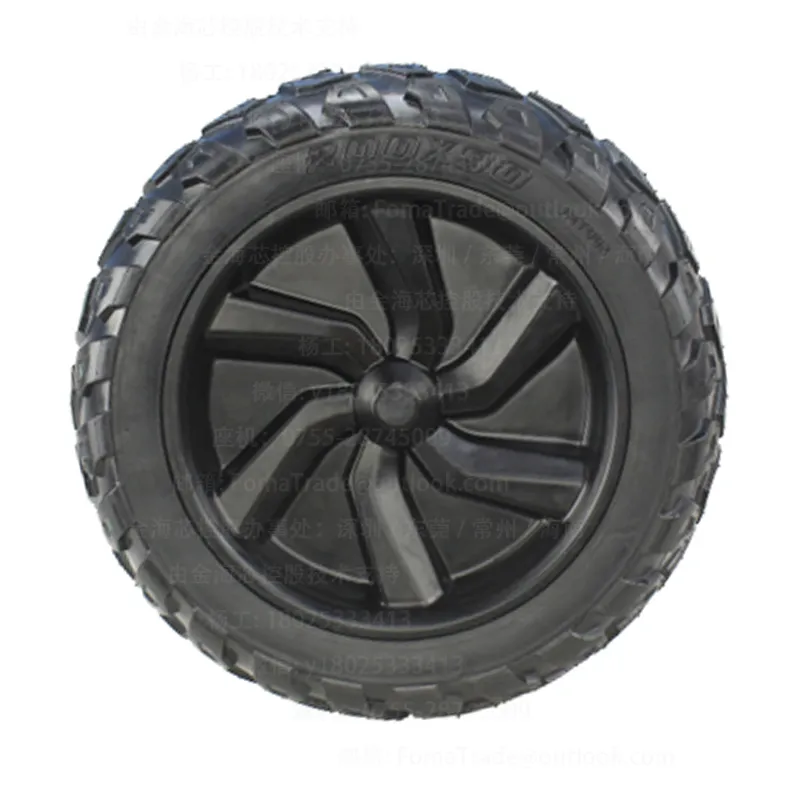
In the high - octane world of karting, braking stability is a critical factor that directly affects a driver's performance and safety. This article delves deep into the technical influence of the short wheelbase structure on kart braking stability, with a special focus on the disc - brake design of a kart equipped with an 8.5 - inch motor.
Let's start with the basic principles of the braking system. The disc - brake system is a key component in modern karts. It works on the principle of friction. When the brake pedal is pressed, the brake pads clamp down on the brake disc, creating friction that slows down or stops the rotation of the wheels. The size and structure of the brake disc play a crucial role in this process.

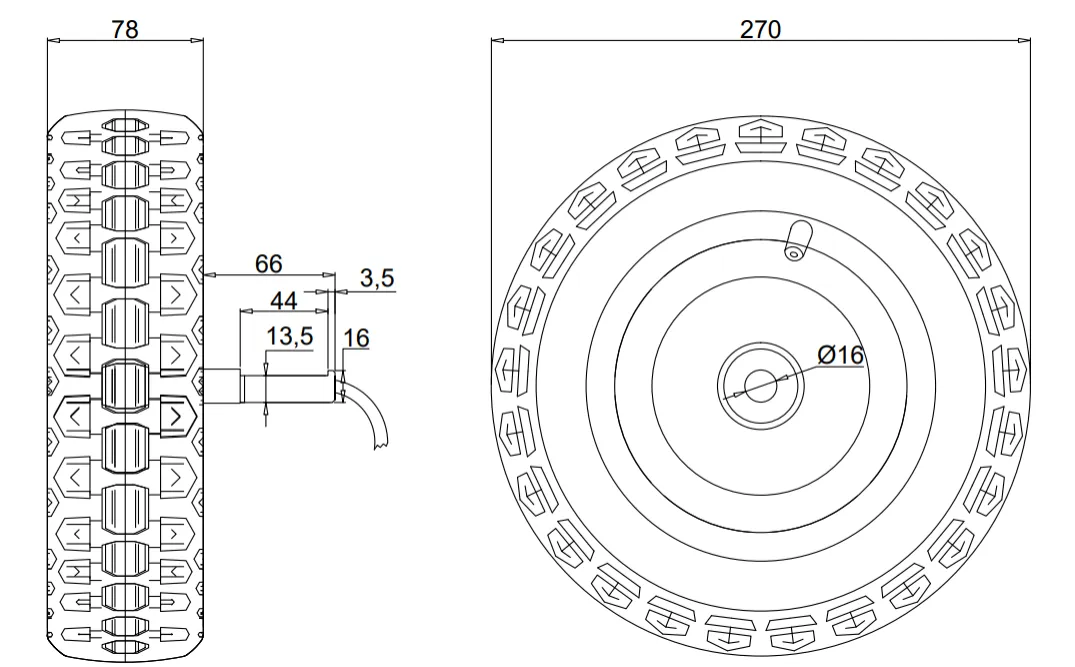
The 213mm diameter and 83mm width disc - brake design paired with the 8.5 - inch motor offers several advantages. A larger diameter disc provides a greater surface area for the brake pads to grip, which in turn increases the braking force. The 83mm width of the disc also enhances the heat dissipation capacity, preventing the brake system from overheating during intense braking.
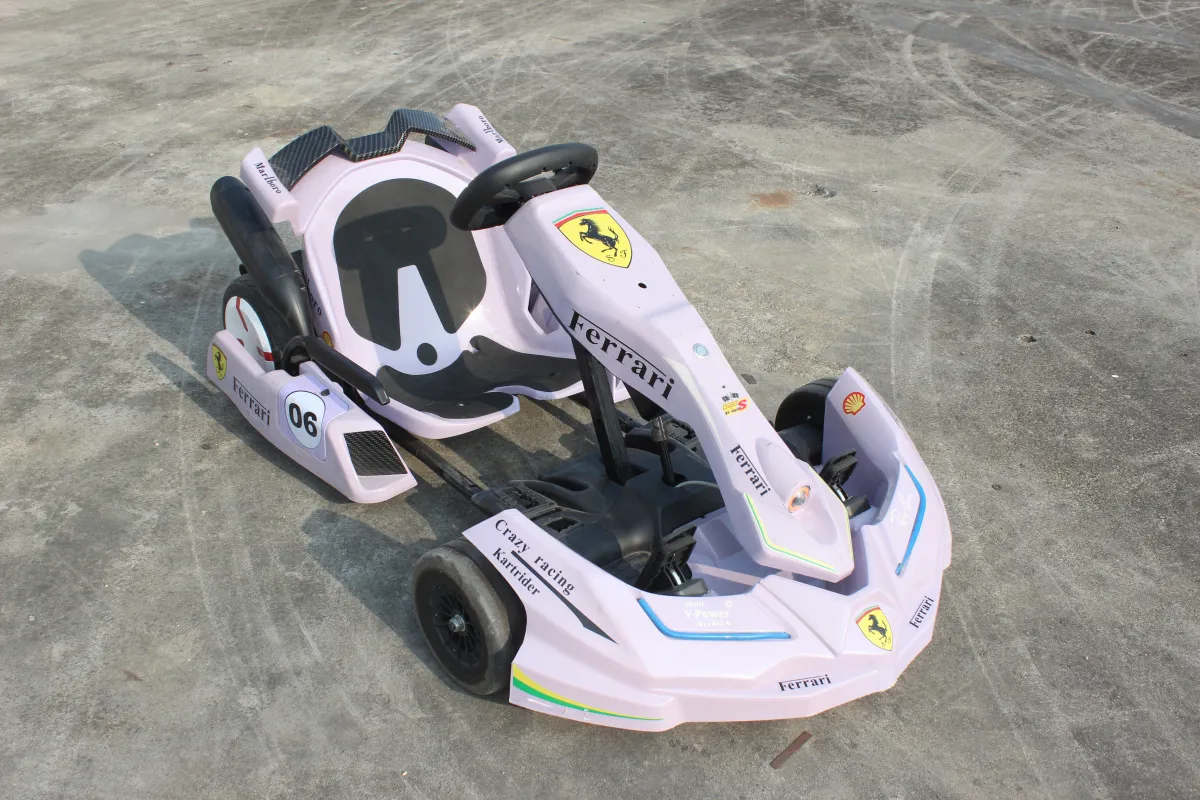
The short wheelbase structure, specifically the 55mm short - axle and the single - side clamping shaft, has a significant impact on the kart's overall performance. One of the main advantages is the optimization of the vehicle's center of gravity. A shorter wheelbase allows the center of gravity to be closer to the center of the kart, which improves the vehicle's balance and stability during braking.
In terms of braking response, the short wheelbase structure reduces the distance between the front and rear wheels. This means that the braking force can be transmitted more quickly and efficiently, resulting in a shorter braking distance. According to data from real - world track tests, karts with a short wheelbase structure can reduce the braking distance by up to 15% compared to those with a longer wheelbase.

In a real - world track environment, proper tuning of the braking system is essential. Drivers can adjust the brake balance between the front and rear wheels according to the track conditions. For example, on a track with many sharp turns, a higher proportion of the braking force can be allocated to the front wheels to improve cornering performance.
When it comes to driving strategies, drivers should learn to use the short wheelbase structure to their advantage. They can brake earlier and more aggressively in straight sections, knowing that the short wheelbase will provide better stability. In corners, they can modulate the braking force more precisely to maintain control of the kart.
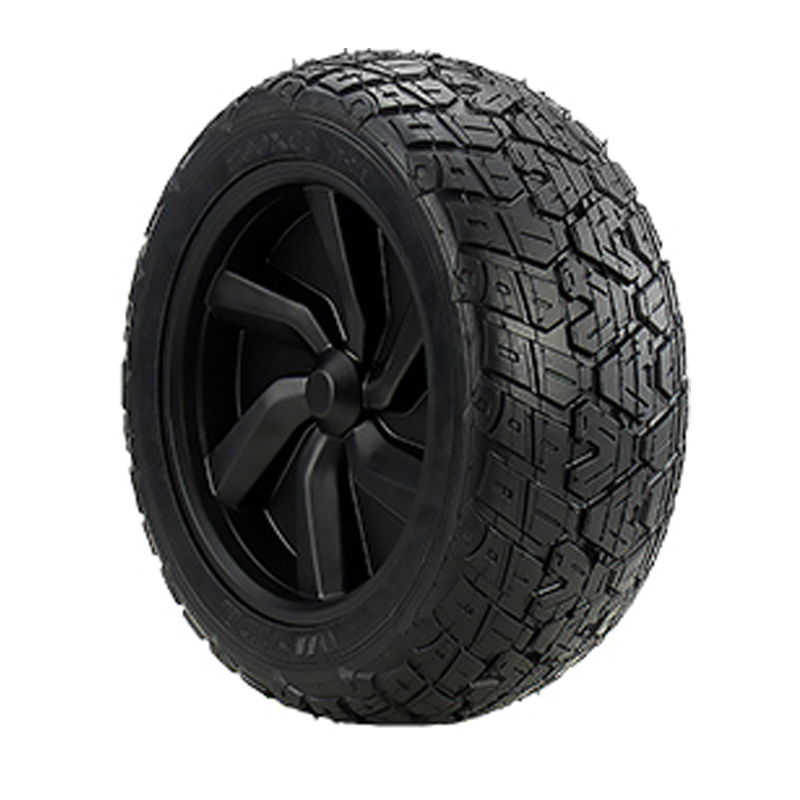
By understanding the relationship between brake disc selection and vehicle dynamics, drivers can make more informed decisions when choosing high - performance motors and braking solutions. This knowledge can lead to a significant improvement in the driving experience.
Are you ready to take your karting experience to the next level? Discover our range of high - performance motors and braking solutions at CTA - URL and transform your driving!
 273
|
273
|
 Hub motor maintenance
Motor fault solutions
Unilateral pressure shaft design
Motor structure optimization
Hub motor failure rate
265
|
wheel hub motor maintenance
motor bearing wear prevention
long shaft motor installation
single side press fit design
electric vehicle motor reliability
458
|
go-kart axle assembly techniques
single-sided press-fit axle advantages
electric go-kart power transmission efficiency
go-kart stability improvement
custom tire and axle kits
338
|
kart brake disc upgrade
8 inch brake rotor
disc brake system
short wheelbase kart
braking efficiency optimization
440
|
go-kart single-side press-fit
electric go-kart drive shafts
custom axle assemblies
go-kart bearing layouts
go-kart maintenance tips
Hub motor maintenance
Motor fault solutions
Unilateral pressure shaft design
Motor structure optimization
Hub motor failure rate
265
|
wheel hub motor maintenance
motor bearing wear prevention
long shaft motor installation
single side press fit design
electric vehicle motor reliability
458
|
go-kart axle assembly techniques
single-sided press-fit axle advantages
electric go-kart power transmission efficiency
go-kart stability improvement
custom tire and axle kits
338
|
kart brake disc upgrade
8 inch brake rotor
disc brake system
short wheelbase kart
braking efficiency optimization
440
|
go-kart single-side press-fit
electric go-kart drive shafts
custom axle assemblies
go-kart bearing layouts
go-kart maintenance tips


.png?x-oss-process=image/resize,h_100,m_lfit/format,webp)
.png?x-oss-process=image/resize,h_100,m_lfit/format,webp)
.png?x-oss-process=image/resize,h_100,m_lfit/format,webp)