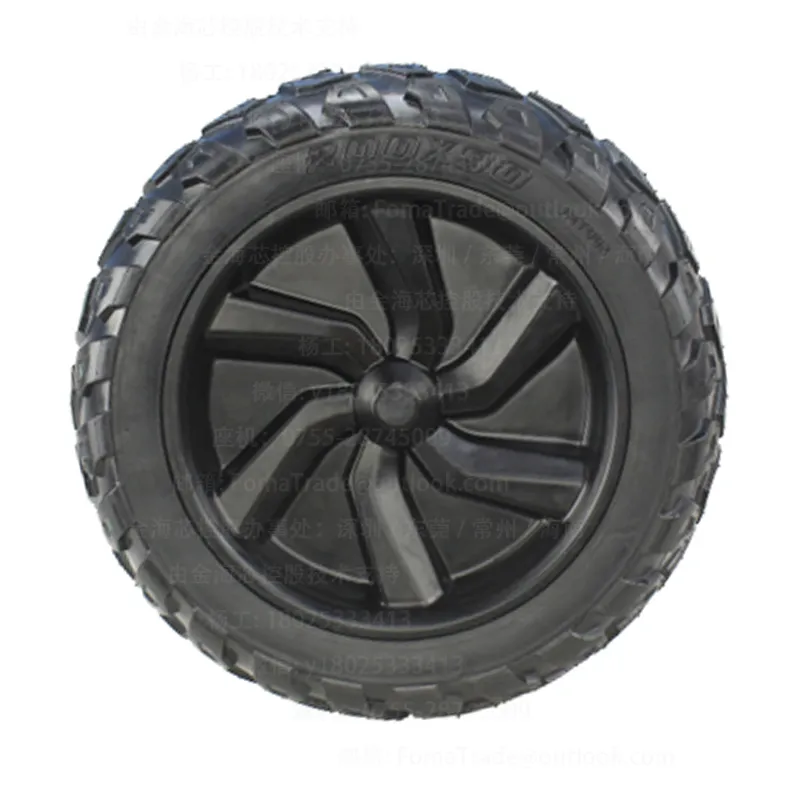
TECHNICAL INSIGHT — This guide explores the critical relationship between brake system components and kart performance, with specific focus on 8-inch brake disc applications in competitive environments.
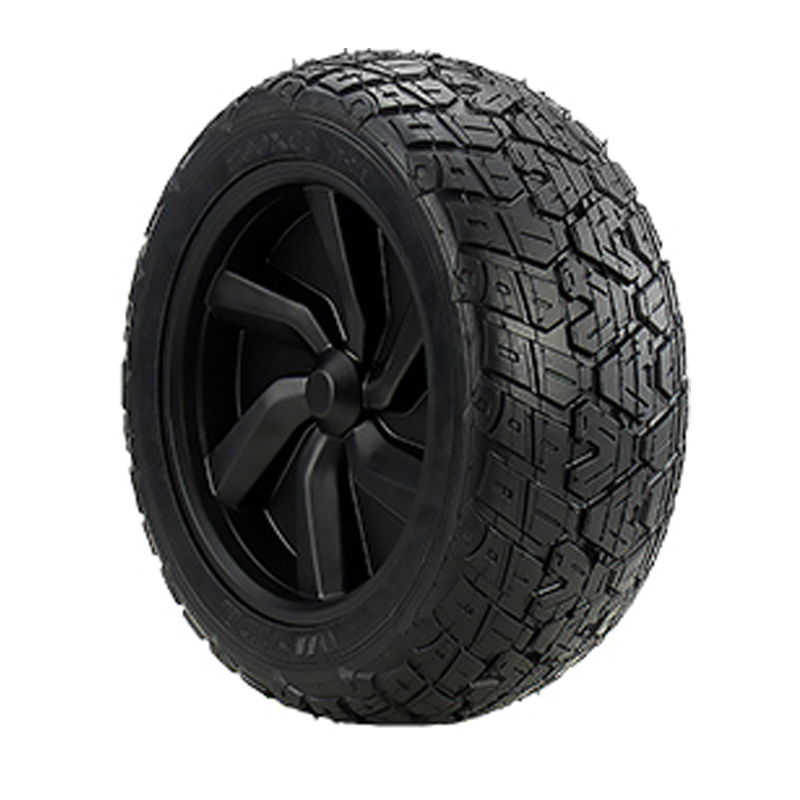
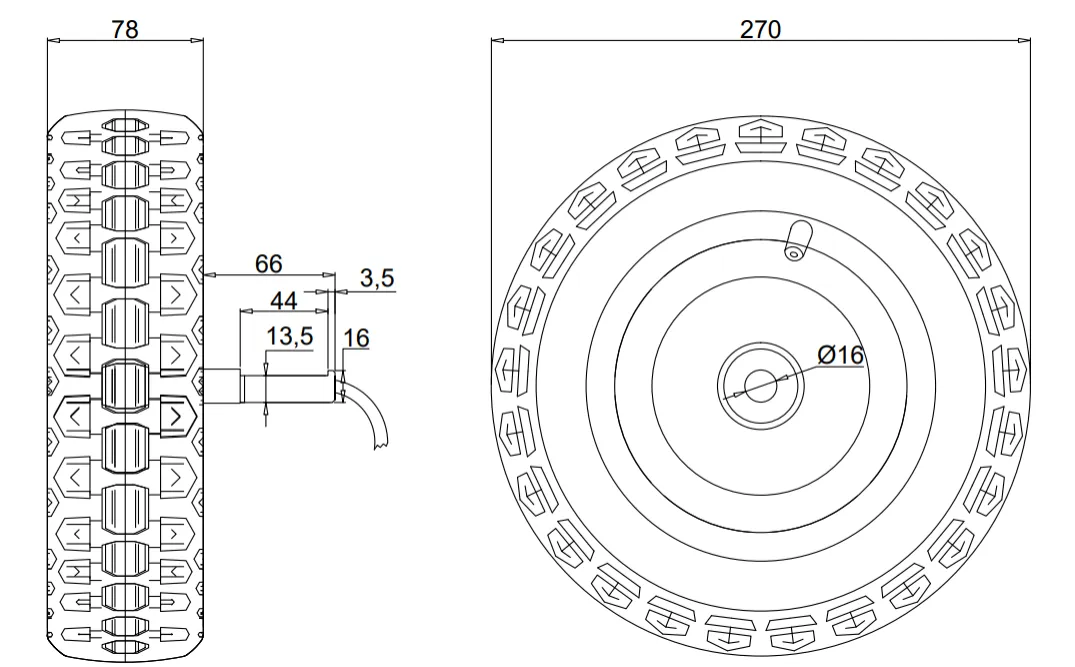
In the high-stakes world of kart racing, where milliseconds separate victory from defeat, brake system optimization plays a pivotal role in both performance and safety. The 8-inch (213mm diameter) brake disc has become a standard in many competitive karting categories, offering an ideal balance between stopping power, weight, and heat dissipation. When properly matched with an 83mm tire width—the industry standard for most sprint and endurance kart classes—this configuration delivers consistent braking performance lap after lap.
Modern kart brake systems increasingly utilize single-side clamping axle designs, a technological advancement that has revolutionized brake maintenance and performance. Unlike traditional dual-clamp systems, this design allows for tool-free brake disc replacement in under 60 seconds—a critical advantage during race day pit stops. The unilateral clamping force distributes pressure evenly across the disc surface, reducing warping tendencies by approximately 30% compared to conventional designs, according to testing data from leading kart component manufacturers.

The precision machining of these clamping mechanisms ensures concentric rotation within 0.02mm tolerance, minimizing vibration and brake judder. This level of precision translates directly to driver confidence, particularly during high-speed corner entry where brake feel is paramount.
Kart brake systems operate in extreme thermal conditions, with disc temperatures often exceeding 500°C during extended races. The 8-inch format presents engineers with the challenge of maximizing heat dissipation while maintaining structural integrity. Most performance brake discs incorporate specialized ventilation patterns—typically 6-8 curved vanes—that increase surface area by 40% compared to solid discs, significantly improving cooling efficiency.
During a typical 30-minute endurance race, an 8-inch brake disc will experience temperature fluctuations of up to 450°C. To manage this thermal stress:
Proper maintenance is critical to ensuring consistent brake performance and safety. Most professional kart teams adhere to a structured inspection schedule, examining brake components every 2-3 race weekends or 10-12 hours of track time. Key wear indicators include:
When replacing brake pads, always match the compound to your specific racing conditions. Softer compounds (60-70 Shore hardness) provide superior initial bite but wear quickly, making them ideal for short sprint races. Medium compounds (70-80 Shore hardness) offer the best balance for most club racing applications, while harder compounds (80+ Shore hardness) excel in endurance events where longevity is critical.

Even with proper maintenance, drivers may encounter performance issues that require systematic troubleshooting. A common complaint is diminished braking power despite new pads and discs. This often stems from caliper piston sticking—easily diagnosed by measuring temperature differentials across the disc surface with an infrared thermometer. A variance exceeding 50°C between inner and outer disc surfaces typically indicates uneven pad contact.
Another frequent issue is brake fade during extended races. This can usually be traced to one of three causes: insufficient cooling, pad compound mismatch for ambient conditions, or incorrect brake bias adjustment. Most kart chassis allow for brake bias adjustment between front and rear axles, with optimal settings typically ranging between 55-65% front bias depending on track layout and tire compound.
Discover our precision-engineered 8-inch brake disc systems designed for competitive karting. Each component undergoes rigorous testing to ensure optimal performance under the most demanding race conditions.
Explore Performance Brake SolutionsRemember that brake system optimization is a continuous process that requires careful attention to detail and regular testing. Even small adjustments can yield significant performance improvements. By understanding the technical principles behind 8-inch brake disc design and maintenance, you'll be better equipped to make informed decisions that enhance both your kart's performance and your safety on the track.
Whether you're a weekend enthusiast or a serious competitor, investing time in understanding your brake system will pay dividends in lap times and race results. The data-driven approach to brake setup—measuring temperatures, monitoring wear patterns, and systematically testing adjustments—separates the top performers from the rest of the field.
 273
|
273
|
 Hub motor maintenance
Motor fault solutions
Unilateral pressure shaft design
Motor structure optimization
Hub motor failure rate
416
|
Kart motor matching solutions
High-torque motor braking effects
Disc brake system optimization
Kart modification techniques
Track braking distance testing
265
|
wheel hub motor maintenance
motor bearing wear prevention
long shaft motor installation
single side press fit design
electric vehicle motor reliability
237
|
electric go-kart power system installation
electric motor tuning tutorial
go-kart motor troubleshooting
8-inch long-shaft motor customization
single-sided shaft motor assembly
229
|
8 inch disc brake kit
high torque motor kart
brake rotor size
kart braking efficiency
driving stability
Hub motor maintenance
Motor fault solutions
Unilateral pressure shaft design
Motor structure optimization
Hub motor failure rate
416
|
Kart motor matching solutions
High-torque motor braking effects
Disc brake system optimization
Kart modification techniques
Track braking distance testing
265
|
wheel hub motor maintenance
motor bearing wear prevention
long shaft motor installation
single side press fit design
electric vehicle motor reliability
237
|
electric go-kart power system installation
electric motor tuning tutorial
go-kart motor troubleshooting
8-inch long-shaft motor customization
single-sided shaft motor assembly
229
|
8 inch disc brake kit
high torque motor kart
brake rotor size
kart braking efficiency
driving stability


.png?x-oss-process=image/resize,h_100,m_lfit/format,webp)
.png?x-oss-process=image/resize,h_100,m_lfit/format,webp)
.png?x-oss-process=image/resize,h_100,m_lfit/format,webp)