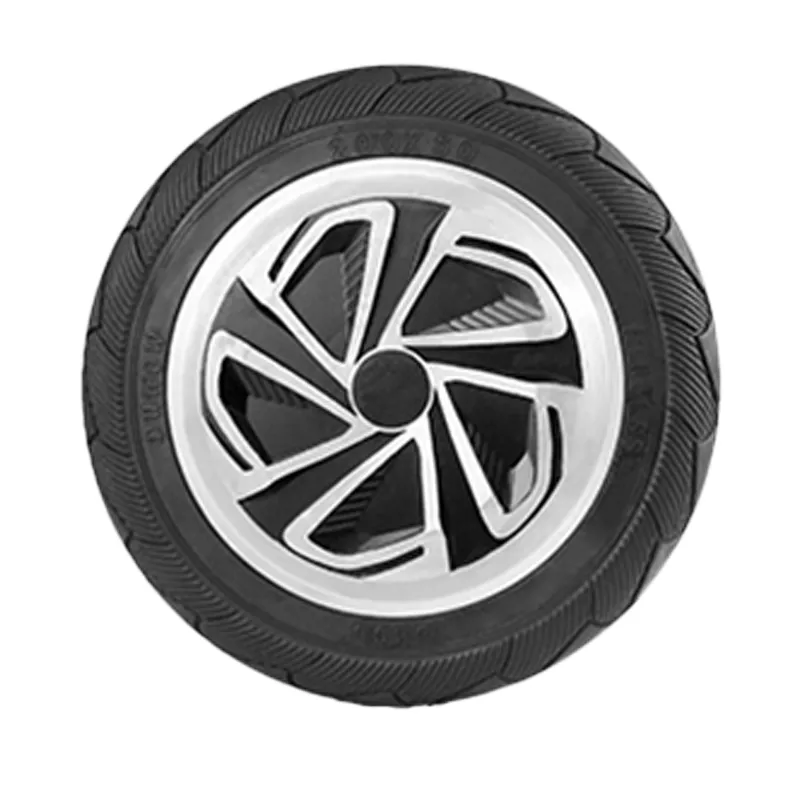
In - wheel motor systems are widely used in electric vehicles, robotics and other fields. However, they often face some common fault problems. For example, bearing wear is a significant issue. Studies show that in about 30% of in - wheel motor failures, bearing wear is the main cause. The continuous high - speed rotation and heavy load of the motor lead to long - term friction on the bearing surface, gradually wearing away the smooth layer and causing noise and instability in the motor operation.
Another problem is heat accumulation. In - wheel motors generate a large amount of heat during high - power operation, and if the heat dissipation system is not efficient enough, heat will accumulate inside the motor. According to statistics, when the temperature of the motor rises by 10°C, the insulation life of the motor will be reduced by about half. This heat accumulation can cause the performance of the motor insulation material to decline, and in severe cases, it may even lead to short - circuit faults.
Power attenuation is also a common problem. With the long - term use of the motor, the internal resistance of the battery and the motor itself increase, resulting in a decrease in the output power of the motor. About 20% of in - wheel motor users report a significant reduction in motor power after 3 - 5 years of use.
Finally, structural loosening can occur. Due to the vibration and impact during the operation of the vehicle or equipment, the fasteners in the in - wheel motor may loosen over time. This can lead to unstable mechanical structures, which not only affect the normal operation of the motor but also pose potential safety hazards.
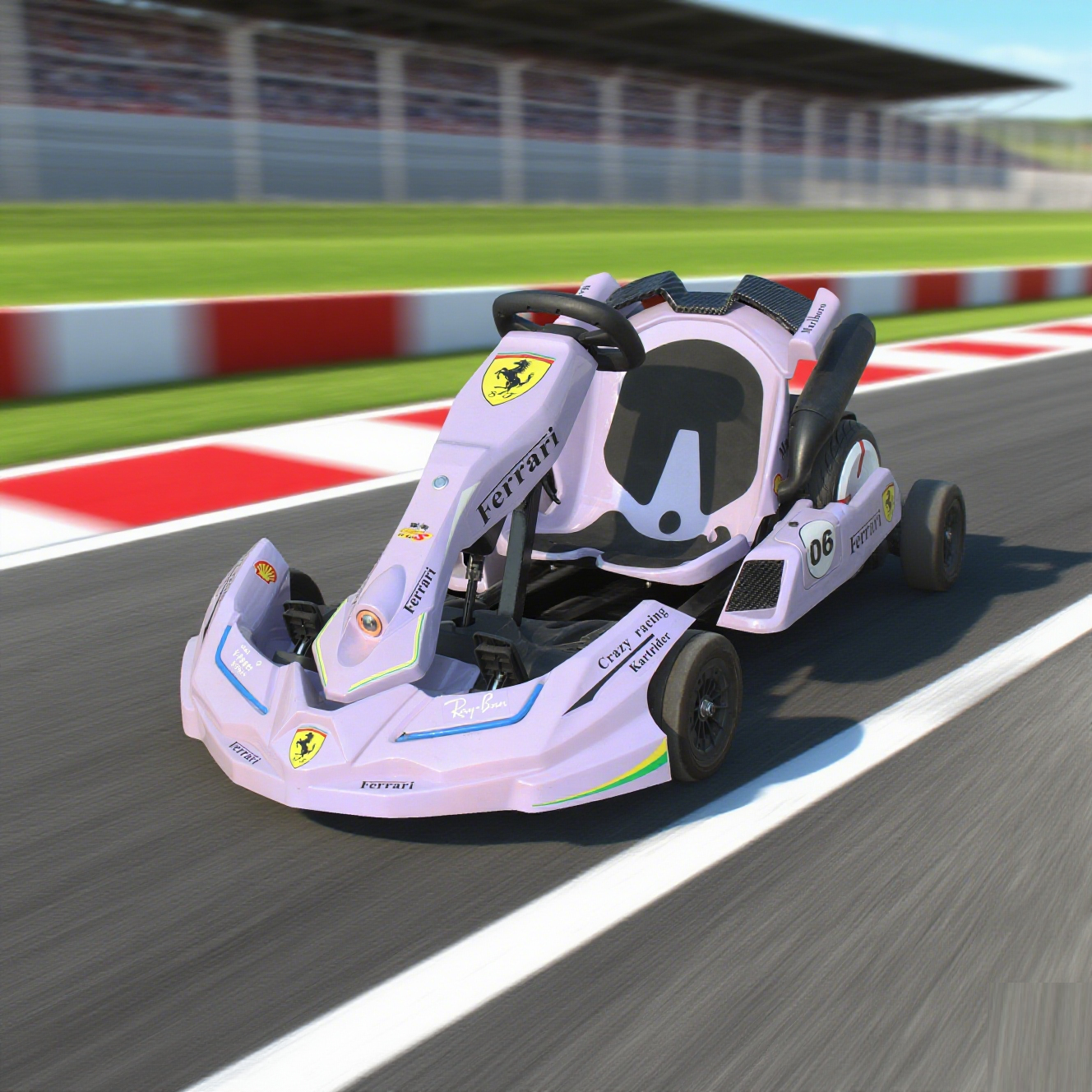
Single - side press - shaft design is an innovative solution to address the above - mentioned problems. This design can effectively improve the stability of the motor structure. By applying a one - side pressure, it enhances the tightness of the bearing and the connection parts inside the motor, reducing the probability of bearing wear.
For example, in a practical case of a certain electric vehicle manufacturer, after adopting the single - side press - shaft design, the bearing wear rate of the in - wheel motor was reduced by nearly 40% over the same period. This not only extended the service life of the motor but also improved the reliability of the vehicle.
Regularly check the temperature of the motor. If the motor temperature is abnormal during operation, it may indicate a heat dissipation problem or an internal short - circuit fault. Check the connection status of the fasteners regularly to prevent structural loosening. Also, pay attention to the noise and vibration of the motor during operation. Unusual noise or excessive vibration may be a sign of bearing wear or other mechanical problems.
It is recommended to perform a comprehensive inspection of the in - wheel motor every 3 - 6 months, depending on the usage frequency. For high - frequency users, a 3 - month inspection cycle is more appropriate, while for low - frequency users, a 6 - month cycle is sufficient.
Some practical tools, such as infrared thermometers, can be used to measure the motor temperature. Vibration testers can help detect abnormal vibrations of the motor. These tools can effectively assist maintenance personnel in quickly identifying potential problems.
Understanding the common fault types and causes of in - wheel motor systems and adopting effective solutions such as single - side press - shaft design and regular maintenance can significantly reduce the motor failure rate and extend its service life. If you want to learn more about high - performance in - wheel motors and related technologies, click here to explore our product range.
 265
|
265
|
 wheel hub motor maintenance
motor bearing wear prevention
long shaft motor installation
single side press fit design
electric vehicle motor reliability
237
|
electric go-kart power system installation
electric motor tuning tutorial
go-kart motor troubleshooting
8-inch long-shaft motor customization
single-sided shaft motor assembly
458
|
go-kart axle assembly techniques
single-sided press-fit axle advantages
electric go-kart power transmission efficiency
go-kart stability improvement
custom tire and axle kits
440
|
go-kart single-side press-fit
electric go-kart drive shafts
custom axle assemblies
go-kart bearing layouts
go-kart maintenance tips
wheel hub motor maintenance
motor bearing wear prevention
long shaft motor installation
single side press fit design
electric vehicle motor reliability
237
|
electric go-kart power system installation
electric motor tuning tutorial
go-kart motor troubleshooting
8-inch long-shaft motor customization
single-sided shaft motor assembly
458
|
go-kart axle assembly techniques
single-sided press-fit axle advantages
electric go-kart power transmission efficiency
go-kart stability improvement
custom tire and axle kits
440
|
go-kart single-side press-fit
electric go-kart drive shafts
custom axle assemblies
go-kart bearing layouts
go-kart maintenance tips


.png?x-oss-process=image/resize,h_100,m_lfit/format,webp)
.png?x-oss-process=image/resize,h_100,m_lfit/format,webp)
.png?x-oss-process=image/resize,h_100,m_lfit/format,webp)